Religious Site
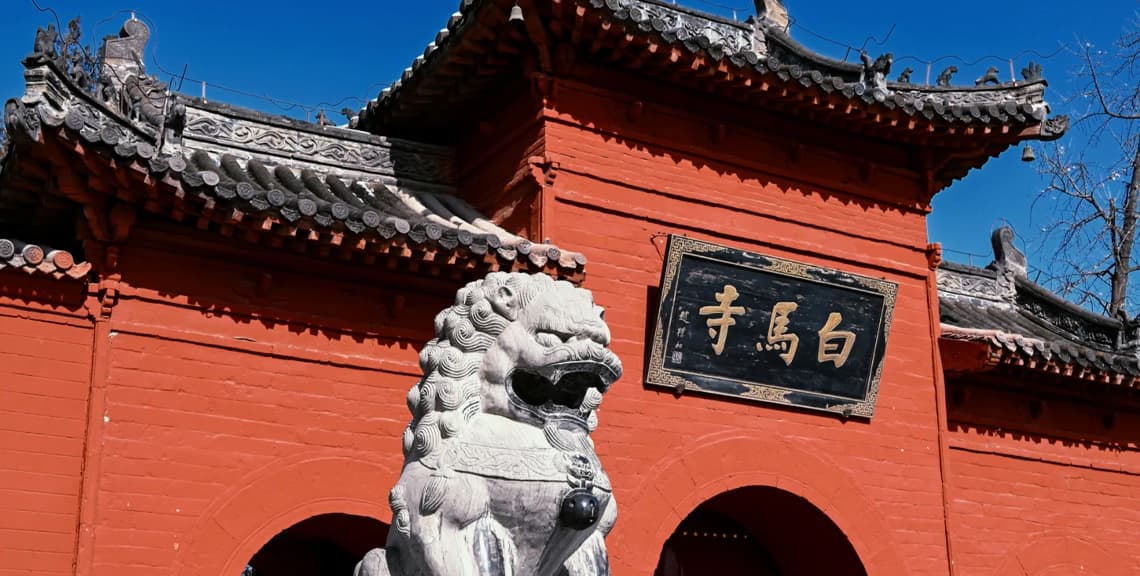
White Horse Temple
Luoyang, China
2-3 hours
About
The temple derived its name from the historic story that two Indian monks carried Buddhist scriptures and statues on white horses to the Eastern Han capital Luoyang.
Different from other single-style ancient temples, it combines traditional Chinese central-axis Buddhist architecture with exotic international Buddhist palaces from Thailand, Myanmar, India and Sri Lanka, creating a cross-cultural religious landscape. Core highlights include the Song Dynasty stone white horse sculptures at the mountain gate, five main halls along the central axis, the treasure of the temple — 23 dry-lacquered Buddha statues of the Yuan Dynasty in Mahavira Hall, Qingliang Terrace (the earliest sutra translation site in China), the exotic four-nation international Buddhist complex and the ancient Qiyun Pagoda courtyard. It is an ideal destination for Buddhist pilgrimage, religious cultural study, ancient architecture appreciation and Hanfu photography. It can be matched with Longmen Grottoes, Laojun Mountain and Yingtianmen Site to form a classic Luoyang historical and cultural one-day tour route.
Travel Tips
- Take Bus No.56 or 58 directly from Luoyang Railway Station to the temple gate
- Metro Line 1 to Yangwan Station Exit A, then take a 10-minute taxi to the scenic spot
- Complete real-name reservation 1 day in advance via the official WeChat mini-program
- Dress modestly and respectfully, avoid sleeveless clothes, ultra-short skirts and slippers
- Wear soft non-slip shoes for bluestone paths and hall steps
- Do not step over the thresholds of Buddha halls, keep voices low and refrain from loud laughter
- Flash photography of all Buddha statues inside halls is strictly prohibited
- Drones are fully banned in the entire scenic area for cultural relic protection
Facilities
RestaurantGift ShopPhotography Allowed
Admission
¥35/ adult
Child¥18
Senior¥12
Opening Hours
Mon07:40 - 18:40
Tue07:40 - 18:40
Wed07:40 - 18:40
Thu07:40 - 18:40
Fri07:40 - 18:40
Sat07:40 - 18:40
Sun07:40 - 18:40
Best Time to Visit
March to April for blooming peonies around the temple