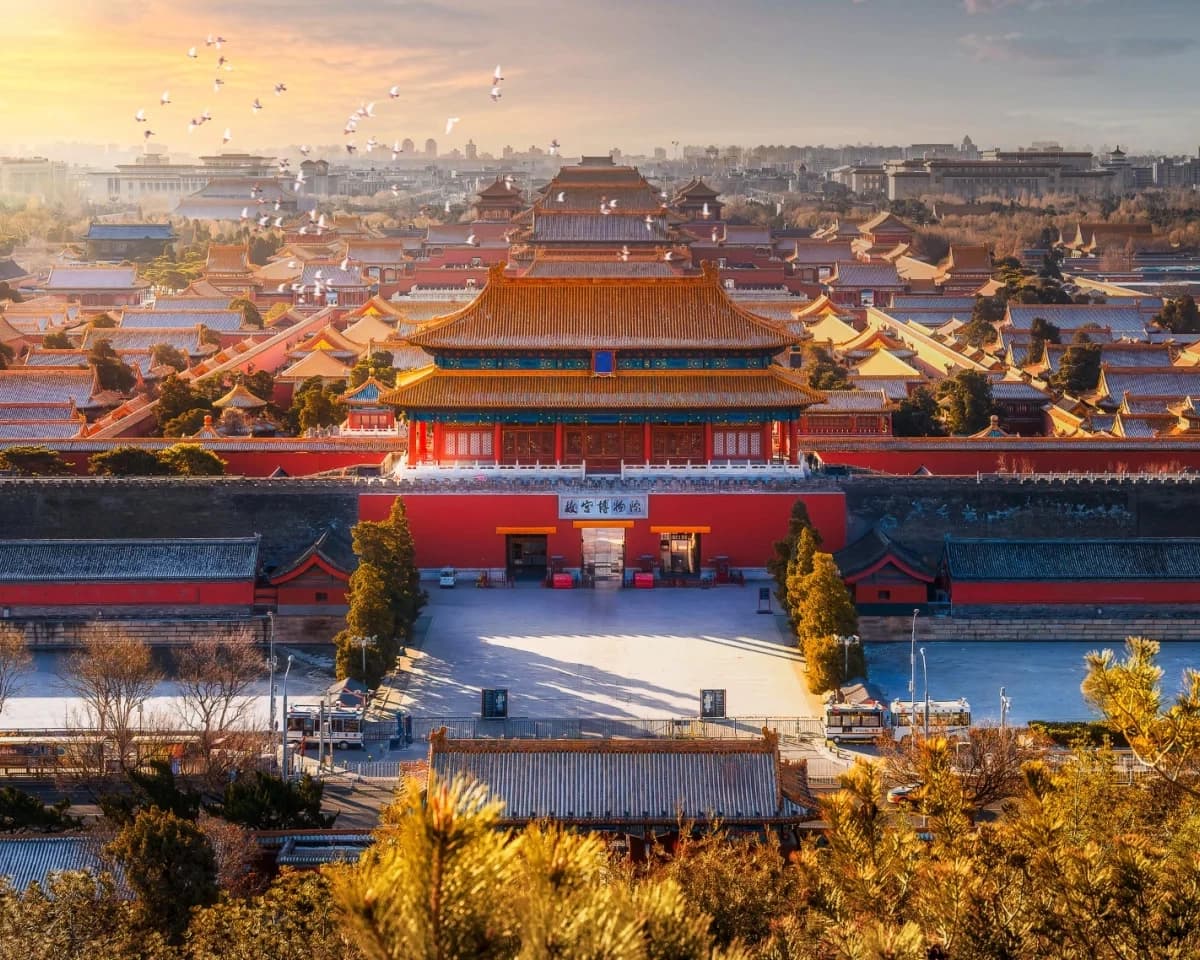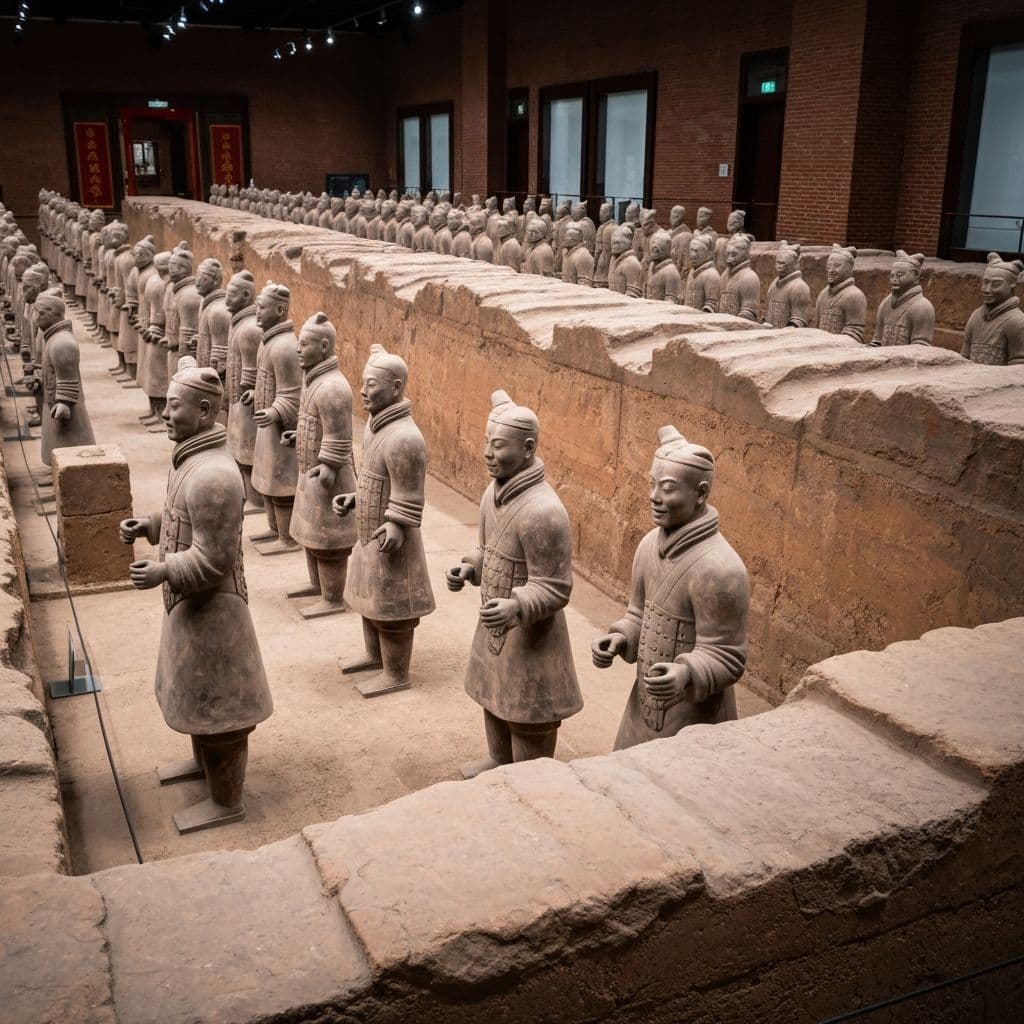
This guide follows one of the most iconic routes along the Chinese section of the Silk Road: Xi’an → Zhangye → Jiayuguan → Dunhuang. For each city, you will first discover its “Silk Road Role”—explaining its specific function, administrative responsibilities, or the goods it handled—followed by a selection of “Classic Sights,” curated to help you quickly identify the landmarks most directly connected to the Silk Road. It is our hope that this guide will help you weave the various ruins, artifacts, and landscapes you encounter along the way into a cohesive, compelling story.
First stop: Xi'an (ancient Chang'an)
On the Silk Road, Chang'an was, first and foremost, a center for the production and administration of silk—far more than just a "starting point."
During the Han and Tang dynasties, Chang'an housed state-run silk-weaving workshops—such as the Eastern and Western Weaving Chambers, the Bureau of Weaving and Dyeing, and the Workshops for Fine Silks and Brocades—all under the overarching supervision of agencies like the Directorate of Imperial Manufactories (Shaofu Jian). What was transported westward from Chang'an included not only finished silk products but also a comprehensive set of silk-production technologies and quality standards.
Chang'an also served as the starting point and a major hub for the silk trade along the Silk Road. During the Tang Dynasty, the West Market of Chang'an functioned as an international marketplace, where merchants from the Western Regions, diplomatic missions from Central Asia, and caravans from the steppes converged. From Chang'an, silk would set out, traveling westward by way of the Hexi Corridor.
In ancient China, Xi'an was not the only starting point of the Silk Road; Luoyang was also one of the starting points.