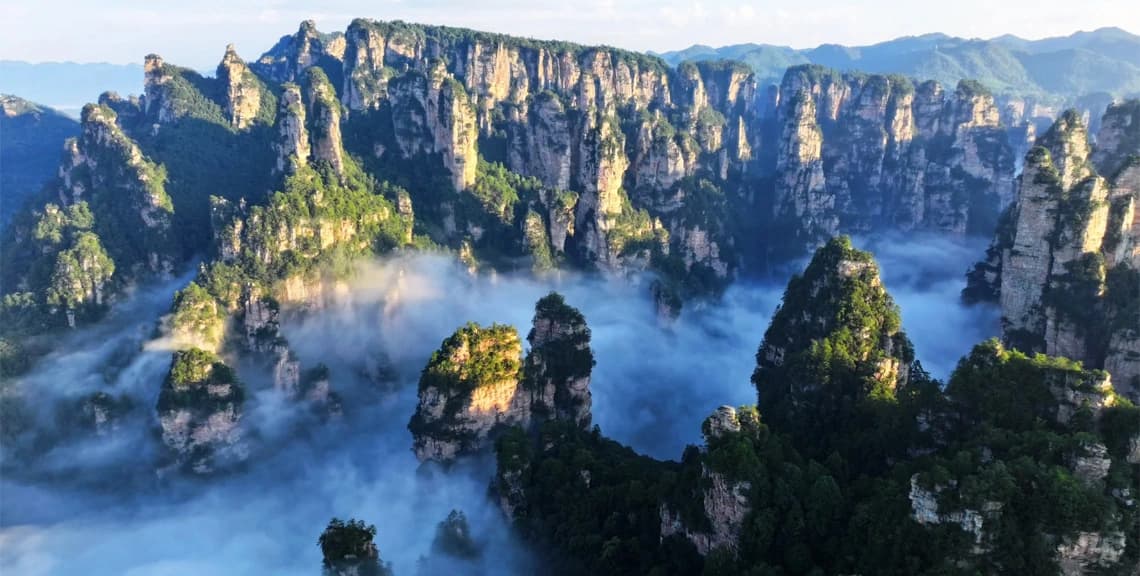
For many international travelers, Zhangjiajie National Forest Park ranks near the top of their "must-see" list in China. As the country’s first national forest park—and a UNESCO World Natural Heritage site—it is world-renowned for its thousands of towering quartz-sandstone pillars and ethereal, mist-shrouded landscapes. Beyond serving as the inspiration for the "Hallelujah Mountains" in the film Avatar, it is a natural wonder that truly demands an in-person visit to fully appreciate its grandeur. This guide provides essential information on tickets, recommended routes, key attractions, and practical tips for your trip.
Zhangjiajie Quick-Reference Card
Ticket Information:
General Admission: 165 RMB per person. (Important Note: The ticket is valid for 4 days, allowing for multiple entries into the scenic area during this period—an excellent option for an in-depth visit.)
Eco-friendly transport ticket: 60 RMB per person.
Combined Tickets for Cable Cars and the Bailong Elevator: The scenic area features several cable cars and the Bailong Elevator. Visitors can choose a "three-cable-car-plus-one-elevator" package (238 RMB for adults; valid for four single-trip rides over four consecutive days) or an unlimited-ride multi-trip pass (298 RMB for adults; valid for unlimited rides over four days).
When is the best time to visit?
Zhangjiajie offers beautiful scenery in every season, though the experience varies from one season to the next.
Recommended seasons: Spring (April–May) and autumn (September–November). During these periods, the temperatures are comfortable, making them ideal for hiking.
Other options: Summer (June–August) offers the most lush vegetation, but the weather is hot, and it coincides with the peak domestic travel season, leading to long queues at attractions. Winter (December–February) sees fewer tourists—meaning no long lines—and offers the chance to see Zhangjiajie blanketed in snow, which presents a unique and charming atmosphere.
Special note: Regardless of the season, a comfortable pair of non-slip athletic shoes is an absolute necessity.
Key Highlights: Ten Unmissable Wonders
If you are unable to visit every attraction, you can choose to explore a selection of those that interest you most.
1. Yuanjiajie
This is the highlight of the park and the inspiration for the floating mountains in the film Avatar. The centerpiece is the "Column of the Southern Sky" (Qiankun Column). From the "Soul-Bewildering Terrace" (Mihun Tai), one can look down upon hundreds of stone pillars—resembling an army born of nature itself—arrayed across the canyon in a display of truly stunning visual impact.
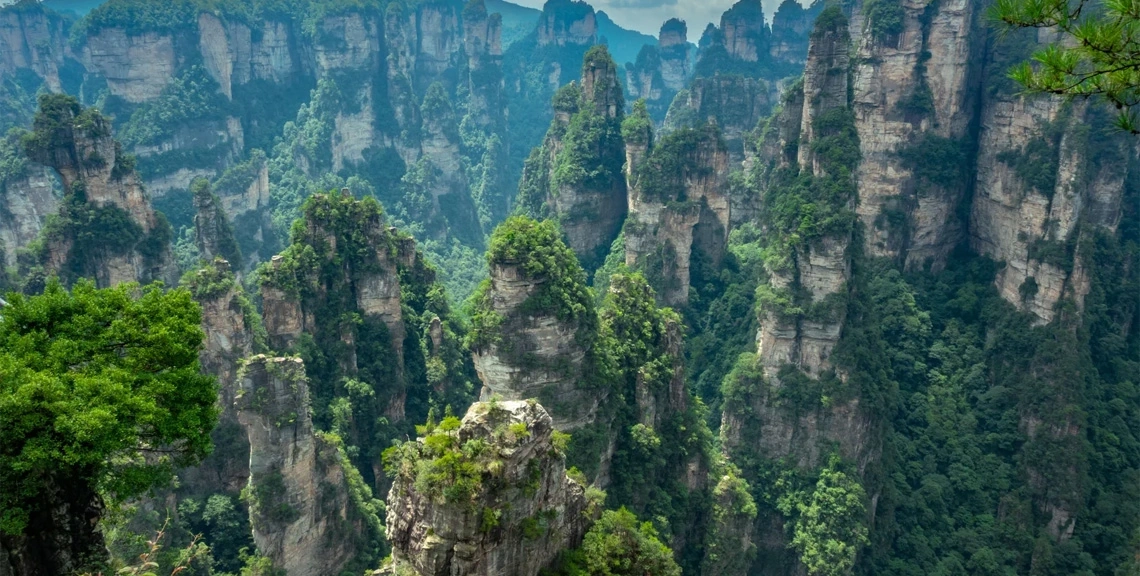
Please note that this is a popular area; it tends to be crowded with tour groups between 9:00 AM and 3:00 PM. We recommend visiting at a different time or passing through quickly.
2. Tianzi Mountain
Renowned for its magnificent forest of peaks and sea of clouds, this area offers the best opportunities for viewing and photographing the ethereal, mist-shrouded scenery during the early morning—ideally between 6:30 and 8:30 AM.
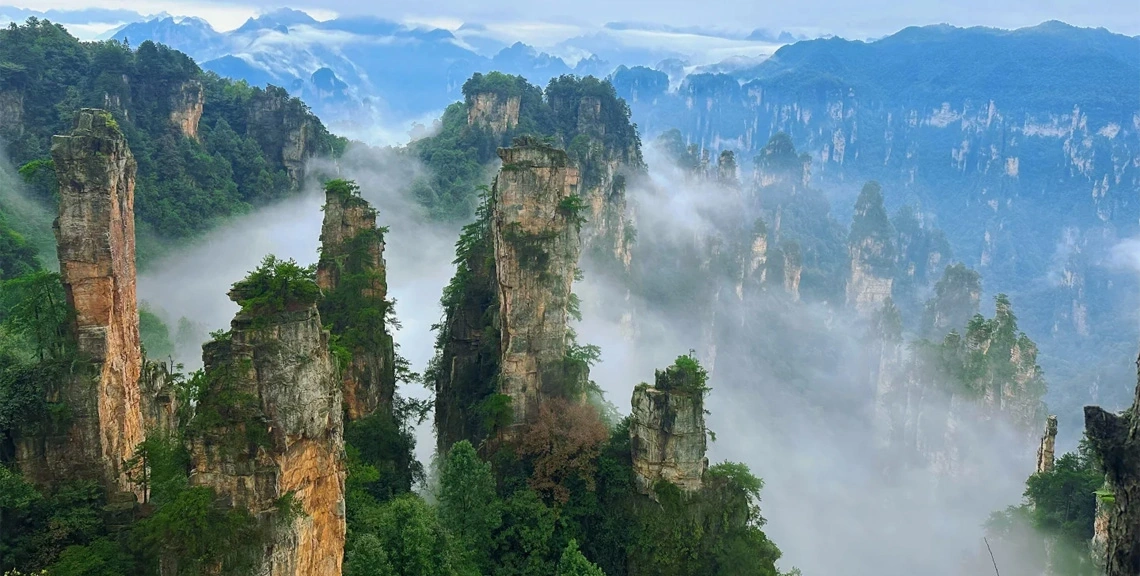
The "Sea of Peaks" (Xihai Fenglin) in Tianzi Mountain is an excellent spot for viewing the sea of clouds.
3. Bailong Elevator
As the world’s tallest outdoor sightseeing elevator, it can transport visitors from the foot of the mountain to the summit in less than a minute. It serves not merely as a means of conveyance, but as an exceptional viewing experience.
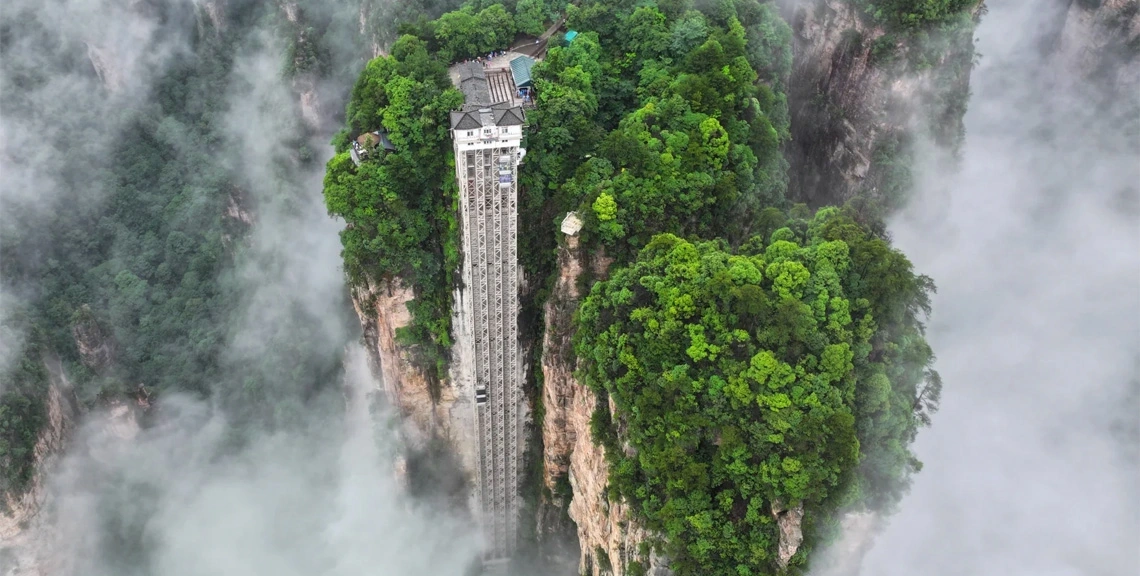
During peak season, wait times can reach 1–2 hours; it is recommended to stand near the front for a better viewing experience.
4. Golden Whip Stream
This is a canyon trail with exceptionally flat terrain, spanning approximately 7.5 kilometers—perfect for a leisurely hike. It also served as a filming location for the classic television series Journey to the West.
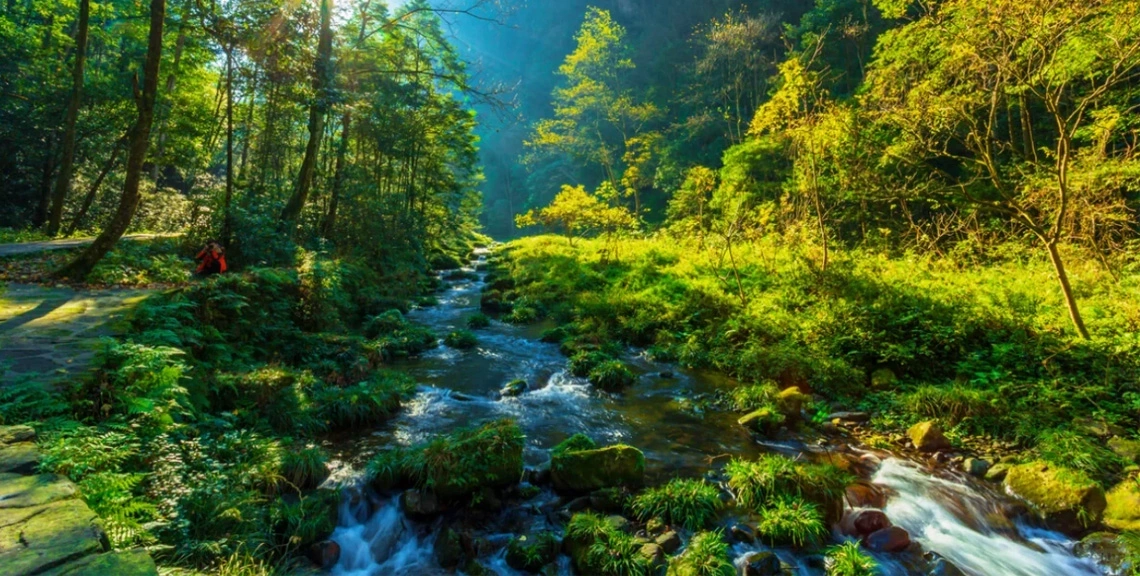
If you enjoy hiking, you could spend half a day here, taking in the sight of the canyons and mountain ranges from the valley floor. You might even encounter some monkeys along the way—just be sure to keep your distance, as they’ll try to snatch your food!
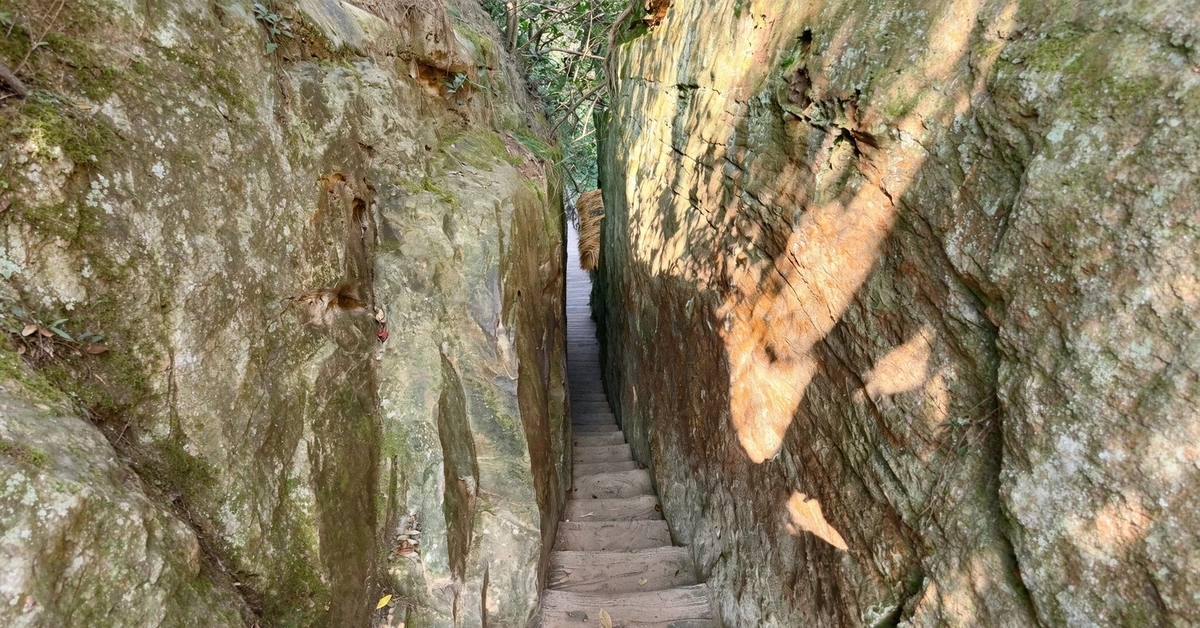
5. Yangjiajie
This is a paradise for adventurers, renowned for its challenging and perilous terrain. The mountain paths are rugged, with some sections being exceptionally narrow and steep. You can scale near-vertical iron ladders and reach out to touch the rough, rocky faces of the stone peaks.Please note that this route requires a certain level of physical fitness, and some sections are narrow enough to accommodate only one person at a time; please assess your own capabilities and proceed accordingly.
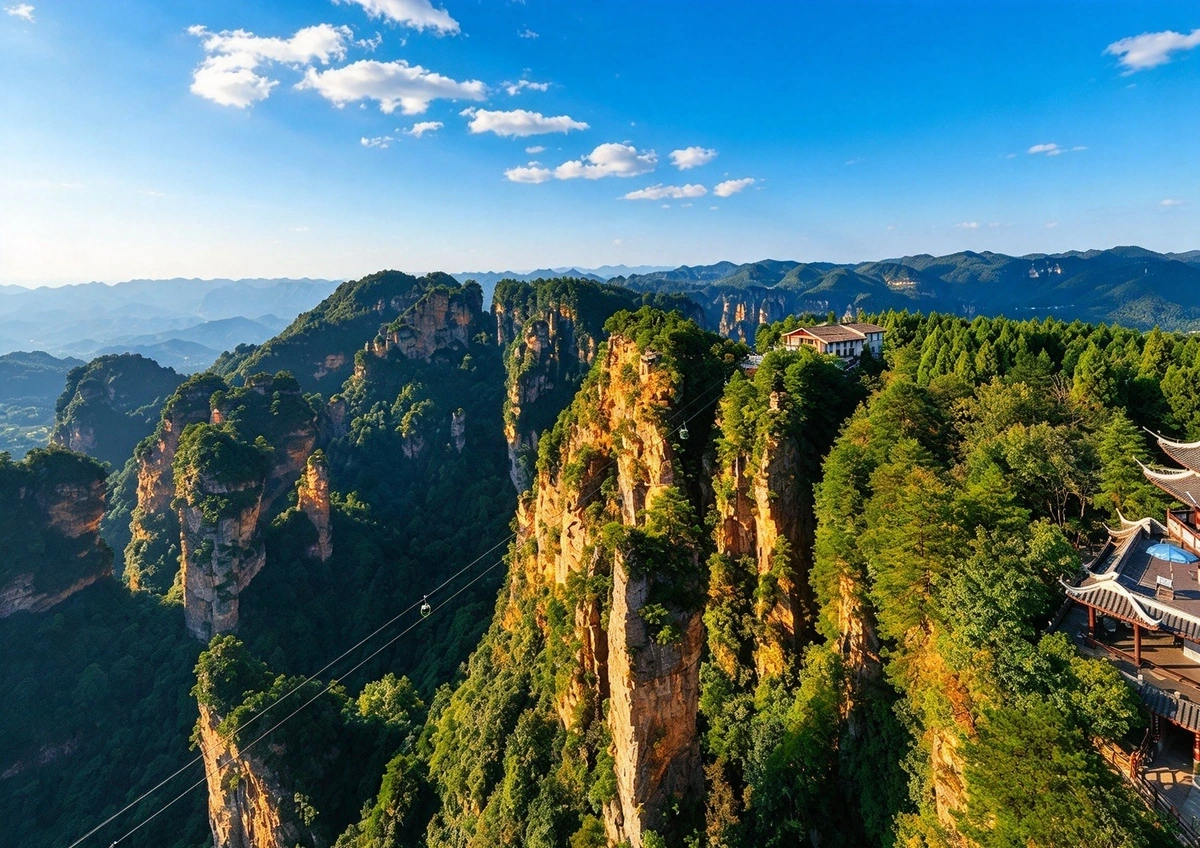
6. Huangshizhai
This is an isolated mountain plateau that can be reached either by cable car or by hiking. At the summit, there is a flat, circular path that connects several viewing platforms. You can ascend to the top by taking a cable car or by following a hiking trail.Compared to other popular areas, Huangshizhai is much quieter and more tranquil—whether in the early morning or at dusk.
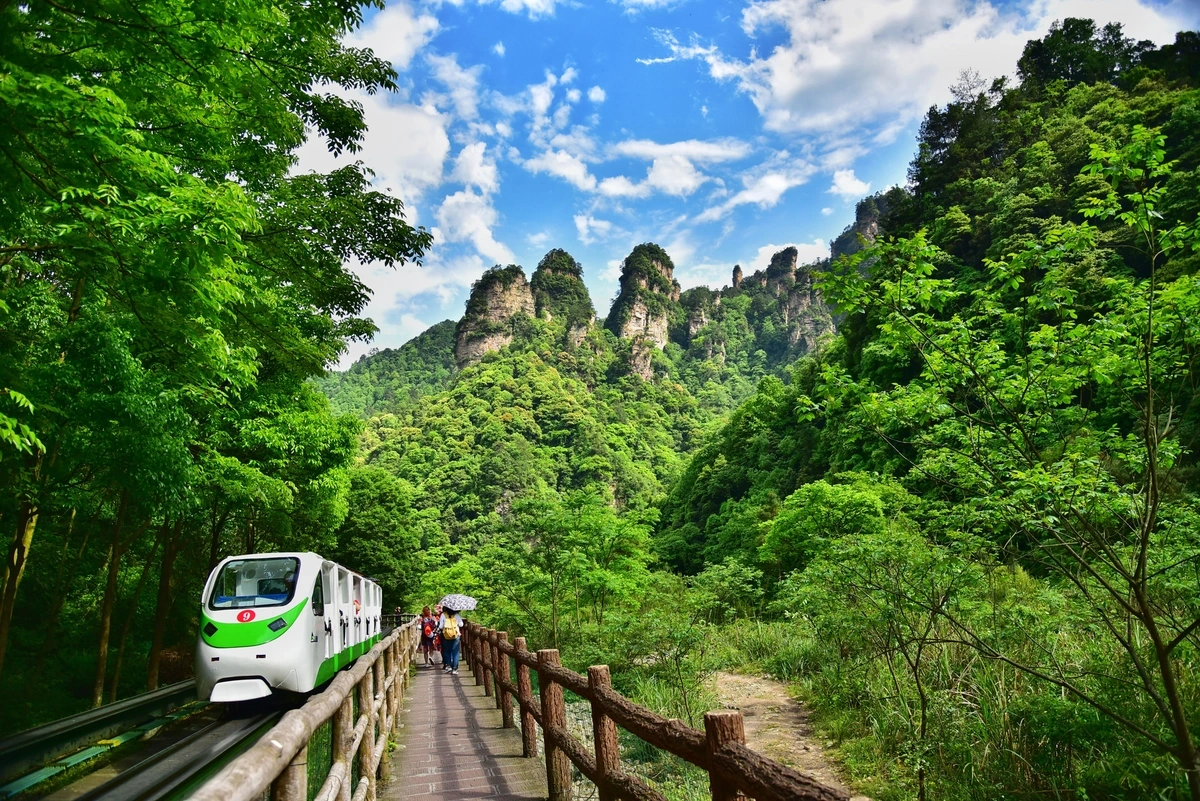
7. Ten-Mile Gallery
This is a 5-kilometer-long gorge, flanked by peaks that take on a variety of striking shapes. You can choose to explore at a leisurely pace aboard a charming sightseeing train, or take a one-way train ride into the gorge and hike your way back—allowing you to experience this natural landscape painting at your own preferred rhythm.
8. Garden in the Sky
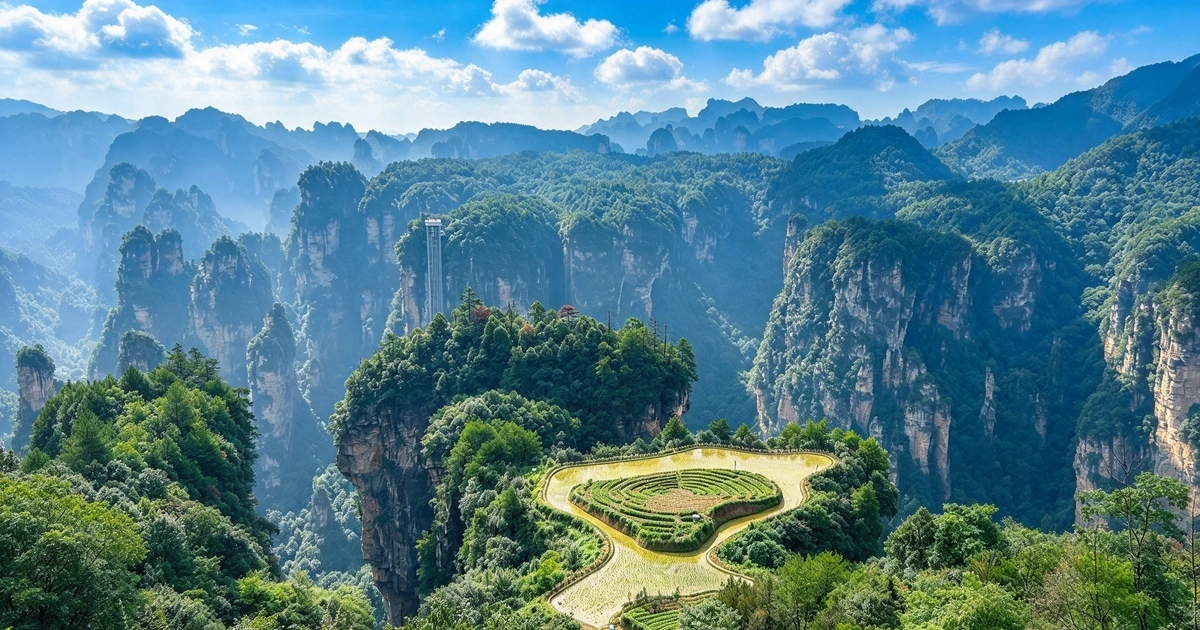
Deep within the Tianzi Mountain Scenic Area lies a expanse of terraced fields, cradled by surrounding mountains. For generations, the local Tujia people have cultivated this land. Here, you can behold these distinctive terraces perched high upon the peaks—a striking contrast between modern civilization and ancient agricultural life.
9. Wild macaques
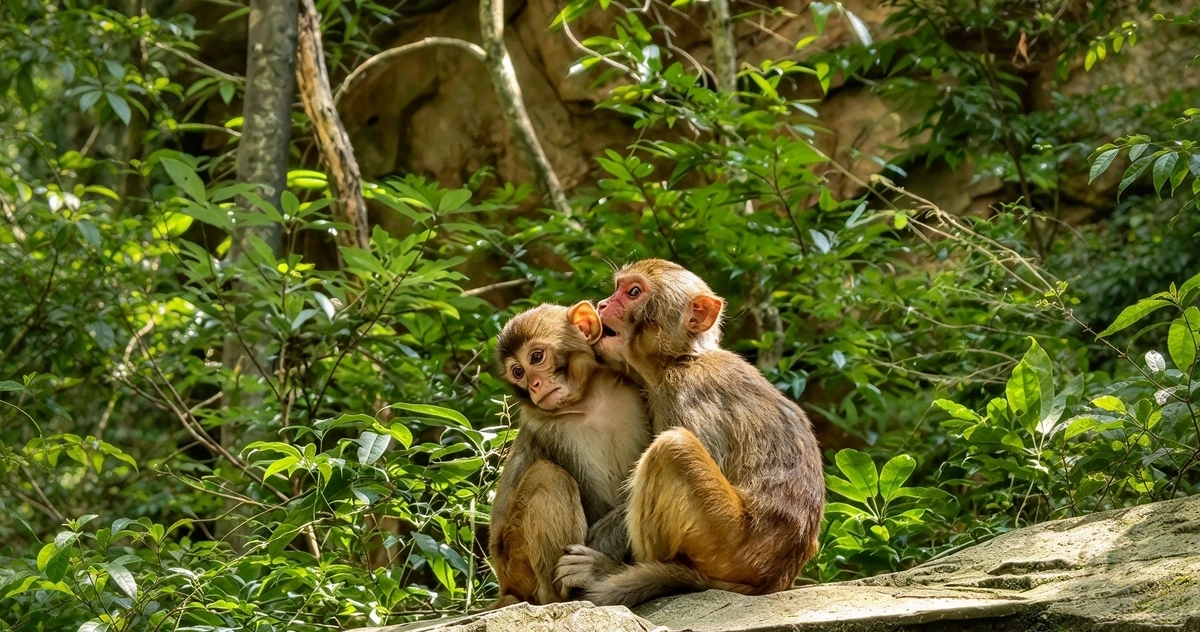
Groups of wild macaques are frequently seen around Jinbian Stream and the shuttle bus stations. Please maintain a safe distance when observing them; avoid rummaging through plastic bags in their presence or feeding them, as this may provoke the monkeys to snatch items from you.
10. Cable Car Experience
In Zhangjiajie, taking a cable car is an exceptional experience in itself. Whether you choose the Tianzi Mountain Cable Car—which offers a 10-minute journey through the air—or the Huangshizhai Cable Car, you are treated to magnificent vantage points from above. These aerial perspectives allow you to truly grasp the grandeur and unique nature of the "Zhangjiajie landform."
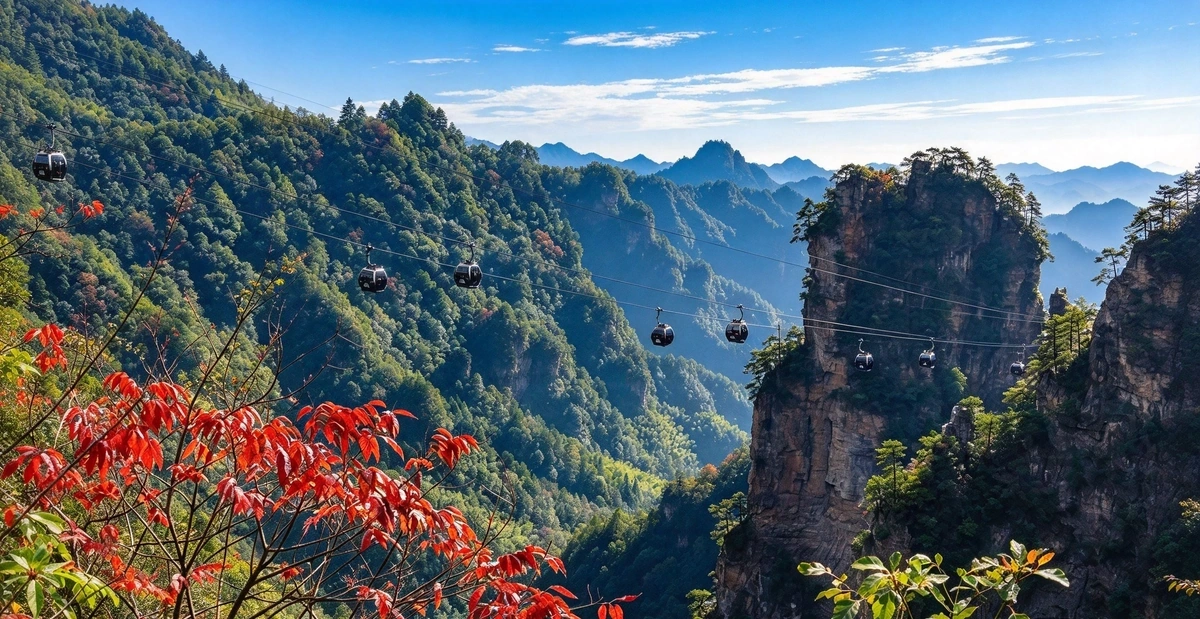
The cable car typically stops operating around 5:00 PM; please be sure to plan your descent accordingly so you do not miss the last ride.
Tour Route
The Zhangjiajie scenic area is vast, so it is unrealistic to try and see every attraction in a single day. It is recommended that you choose specific areas to visit based on the length of your holiday and your physical stamina.
Food and Supplies
The scenic area is vast, so you may need to refuel while exploring.
Within the scenic area: There are several dining spots and rest areas offering ice cream, light meals, and fast food (including KFC, McDonald’s, and Jiahe Ecological Restaurant). It is recommended that you carry some drinking water with you, especially during the summer.
If you would like to experience authentic Xiangxi (western Hunan) flavors, it is recommended to head back to Wulingyuan Town or Zhangjiajie city center to sample them:
Tujia Sanxiaguo (Tujia "Three-Pot" Stew): A signature dish of Zhangjiajie, this dry-pot stew features ingredients like pork offal (intestines and tripe) and beef tripe. It is savory, spicy, and deeply satisfying—an ideal meal to replenish energy after a hike.
Rock Fungus Chicken Soup: Made with "rock fungus"—a type of edible fungus that grows on sheer cliff faces—stewed together with local free-range chicken. The resulting broth is rich in flavor and highly nourishing.
Kudzu Root Noodles (or Jelly): A local specialty, kudzu root can be stir-fried or prepared as a chilled jelly. It has a smooth, slippery texture and is believed to help clear internal heat and detoxify the body.
Xiangxi Cured Meat (Bacon): Cured meat smoked over a wood fire. When sliced and stir-fried with garlic sprouts, it becomes an incredibly appetizing dish that pairs perfectly with rice.
Photography Tips
When taking photographs in Zhangjiajie, the most important thing is to capture the shifting interplay of light, shadow, clouds, and mist.
Early Morning and Evening: The sea of clouds in the early morning and the sunset in the evening offer the best opportunities for photography. As closing time approaches and the crowds begin to disperse, the sunset casts light and shadows across the structures (or mountain peaks)—an ideal moment to capture a tranquil atmosphere.
Composition techniques: The stone peaks of Zhangjiajie are well-suited for a head-on, square-framed composition, which helps showcase their symmetrical beauty.
Special Reminder:
Within the scenic area—especially around Jinbian Stream (Golden Whip Stream) and near the shuttle bus stops—you are very likely to encounter troops of wild macaques. They are the "original inhabitants" of this forest.
Please prioritize your safety: maintain a safe distance, and do not tease or stare at the monkeys (as this may be perceived as a provocation). Never open plastic bags or feed them in their presence; keep all food and water inside your backpack rather than carrying them in your hands, to avoid the risk of them being snatched away.
ChinaTravelElite Travel
If you would like more travel information, please follow us. Should you require travel services, feel free to get in touch—we can provide customized solutions tailored to your specific needs.
Recommended Sightseeing Routes: