"When is the best time to visit China?" This is a question every traveler planning a trip to China faces. Yet, the answer is far from simple.
China spans a vast territory and multiple climate zones; while northern cities lie blanketed in snow amidst biting winds of minus twenty degrees Celsius, tourists on southern beaches bask in the sunshine wearing short-sleeved shirts. In the very same month, you might need a down jacket in Harbin yet only a light outer layer in Sanya. Meanwhile, public holidays play a pivotal role in shaping the travel experience: a month that otherwise seems perfect for a trip can be significantly marred if it coincides with a "Golden Week," when surging crowds at tourist attractions and doubled airfares can detract greatly from your journey.
Therefore, choosing the best time to travel to China is essentially about finding your own balance between weather comfort, crowd levels, costs, photography conditions, and the purpose of your trip.
This article approaches the subject by season, taking into account regional climate variations and public holidays, to provide you with a practical guide for planning your trip throughout the year.
I. General Assessment: When is the best time to visit China?
Taking into account the three key factors of weather, crowd levels, and scenery, spring and autumn are the ideal times to travel in China.
During the spring months of April and May and the autumn months of September and October, most parts of the country experience moderate temperatures and relatively low rainfall, making these periods ideal for extended outdoor activities and sightseeing at cultural attractions.
Among them, autumn is generally considered the season offering the best overall experience.
If your schedule is flexible, I recommend prioritizing the following periods:
Mid-April to early May (avoiding the May Day holiday)
Late September (avoiding the National Day Golden Week)
Mid-October to early November.
These windows offer a good balance between weather conditions and crowd levels.
II. Spring (March–May)
Spring is one of the best times to travel in China. Most of the country awakens from its winter slumber as temperatures gradually rise from south to north, with the region south of the Yangtze River being the first to usher in the flower-blooming season.
Spring Weather Overview
Northern region:10°C to 18°C,There is a significant temperature difference between day and night, with occasional wind and sand.
Central China and the region south of the Yangtze River:15°C to 25°C,Moist and comfortable
South China and Southwest China are warmer, making them suitable destinations for travelers looking to experience an early start to summer.
Recommended Destinations for Spring
North
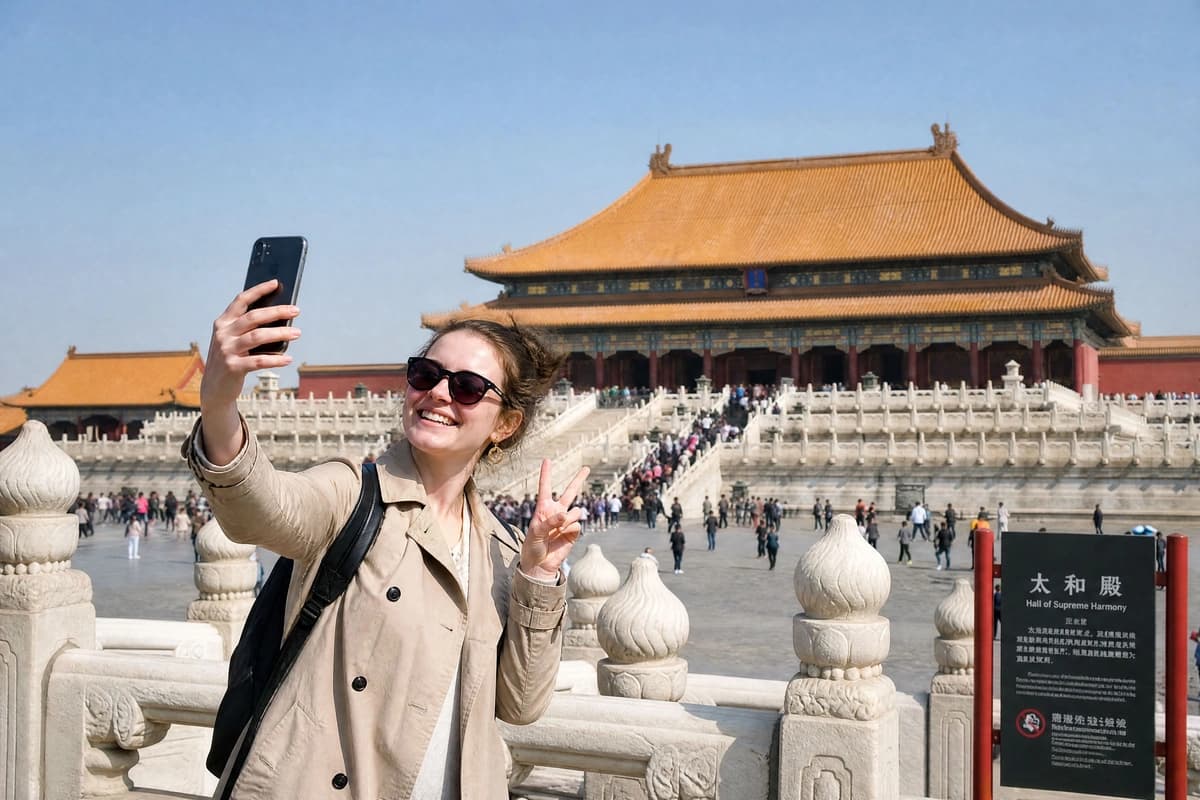
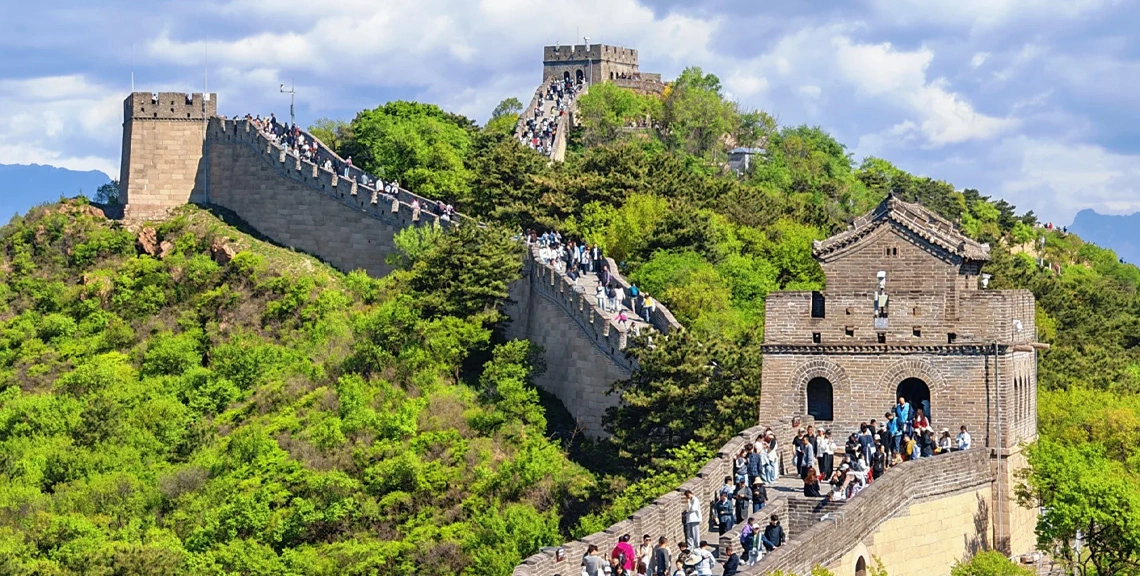
Beijing (Forbidden City and Badaling Great Wall): The weather warms up around April, making it an ideal time to visit these iconic historic sites before the peak tourist season.
Luoyang, Henan: Peonies come into bloom from mid-to-late April, with flower exhibitions held in various parks across the city.
Xi'an, Shaanxi: March through May offers comfortable temperatures—cooler than in summer—perfect for exploring the City Wall, the Forest of Stone Steles, and nearby historical sites.
Qingdao, Shandong: May brings refreshing sea breezes, making the old town and the seaside perfect for leisurely strolls.
Central Region
Wuyuan, Jiangxi: In mid-to-late March, rapeseed flowers complement the Hui-style villages; Huangling and Jiangling are the key areas to visit.
Huangshan and Hongcun, Anhui: April brings misty mountain scenery and a vibrant spring atmosphere to the ancient villages, making it ideal for photography and short hikes.
Wuhan, Hubei: The cherry blossom season in March is lively, with East Lake and Wuhan University serving as popular viewing spots.
Zhangjiajie, Hunan: From April to May, the mountains are lush and green with moderate temperatures, making it a great time to explore the routes within the National Forest Park.

呈坎.jpg
South
Dali and Lijiang, Yunnan: The weather is dry and pleasant from March to May—ideal for circling Erhai Lake, exploring the ancient towns, and gazing at snow-capped mountains.
Guilin and Yangshuo, Guangxi: Water levels in the Li River rise in April, making it a great time for bamboo rafting and cycling.
Xiamen, Fujian: Temperatures are comfortable from March to May, perfect for visiting Gulangyu Island and the Island Ring Road, as well as enjoying the city's culinary delights.
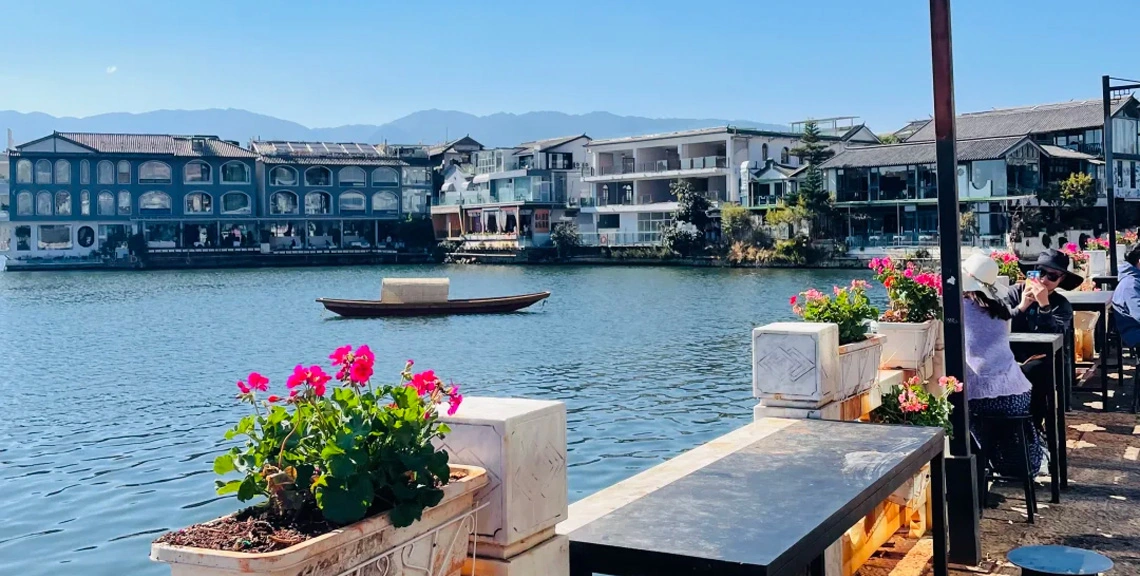
Dali, Yunnan
Western Region
Nyingchi, Tibet: Wild peach blossoms bloom from late March to early April; the sight of snow-capped mountains and peach blossoms in the same frame creates a distinctive and iconic landscape.
Ili, Xinjiang: The Apricot Blossom Valley enters its flowering season in April, and the grasslands begin to turn green—making it an ideal destination for road trips and photography.
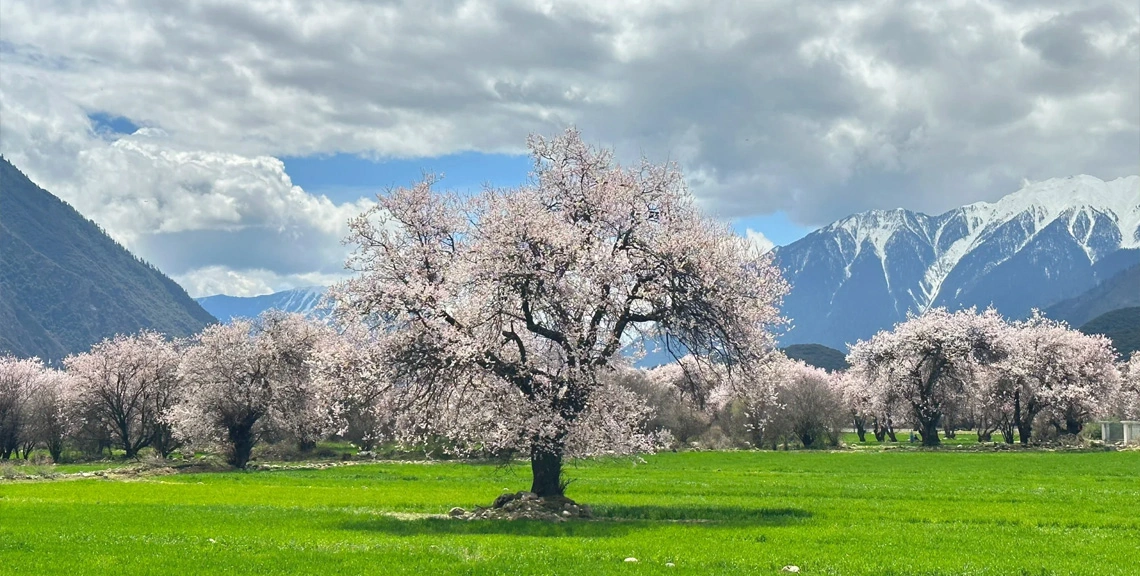
Nyingchi, Tibet
Spring is a great time for outdoor activities and visiting ancient towns; however, the Jiangnan region experiences frequent rain, so it is advisable to carry a folding umbrella and wear non-slip shoes. In the north, spring often brings windy and dusty weather, making skincare products and a windproof jacket essential.
Try to avoid the Qingming and May Day holidays. The period from mid-to-late April through early May usually offers the best balance between the travel experience and crowd levels.
II. Summer(June–August)
Summer is the peak tourism season for most of China—particularly July and August, when students are on break and family travel surges—often resulting in overcrowding at popular tourist attractions. However, summer also offers a distinct advantage: high-altitude regions and northern cities experience their most comfortable weather of the year.
Summer Weather Overview
Southern and central regions: 28°C to 38°C; generally hot and humid, with frequent afternoon thunderstorms.
Northern regions: Daytime temperatures may also exceed 35°C, but the climate is relatively dry.
Highland regions: 5°C to 25°C; a natural summer retreat.
Recommended Summer Destinations
Northwest China
Qinghai Lake and Chaka Salt Lake: In July, rapeseed flowers bloom along the lakeshore, and the cool temperatures make it ideal for cycling around the lake and photography.
Dunhuang and Zhangye (Gansu): Stable summer weather makes it perfect for a combined itinerary featuring the Mogao Caves, Mingsha Mountain (Singing Sand Dunes), and the Colorful Danxia landforms.
Yili (Xinjiang): From June to August, the grasslands are lush and vibrant; destinations such as Nalati, Kalajun, and the Duku Highway are well worth including in your travel plans.
The North
Chengde Mountain Resort, Hebei: An imperial garden from the Qing Dynasty; it is cooler in summer than Beijing, making it ideal for family trips.
Harbin, Heilongjiang: Average summer temperatures are mild; Central Street and the banks of the Songhua River are perfect for leisurely city strolls.
Dalian, Liaoning: A coastal city with refreshing sea breezes in summer; great for enjoying seafood and walking along the coast.