China is vast; for a first-time visitor, the key question is not simply "what is there to see," but rather "which city best aligns with my travel expectations?" Beijing, Xi'an, Shanghai, Guilin, Chengdu, and Zhangjiajie—these six cities represent six distinct facets of the country. This guide breaks down the options based on traveler profiles to help you make the choice that suits you best.
I. Rapid Decision-Making: Categorizing and Assigning Passengers According to Type
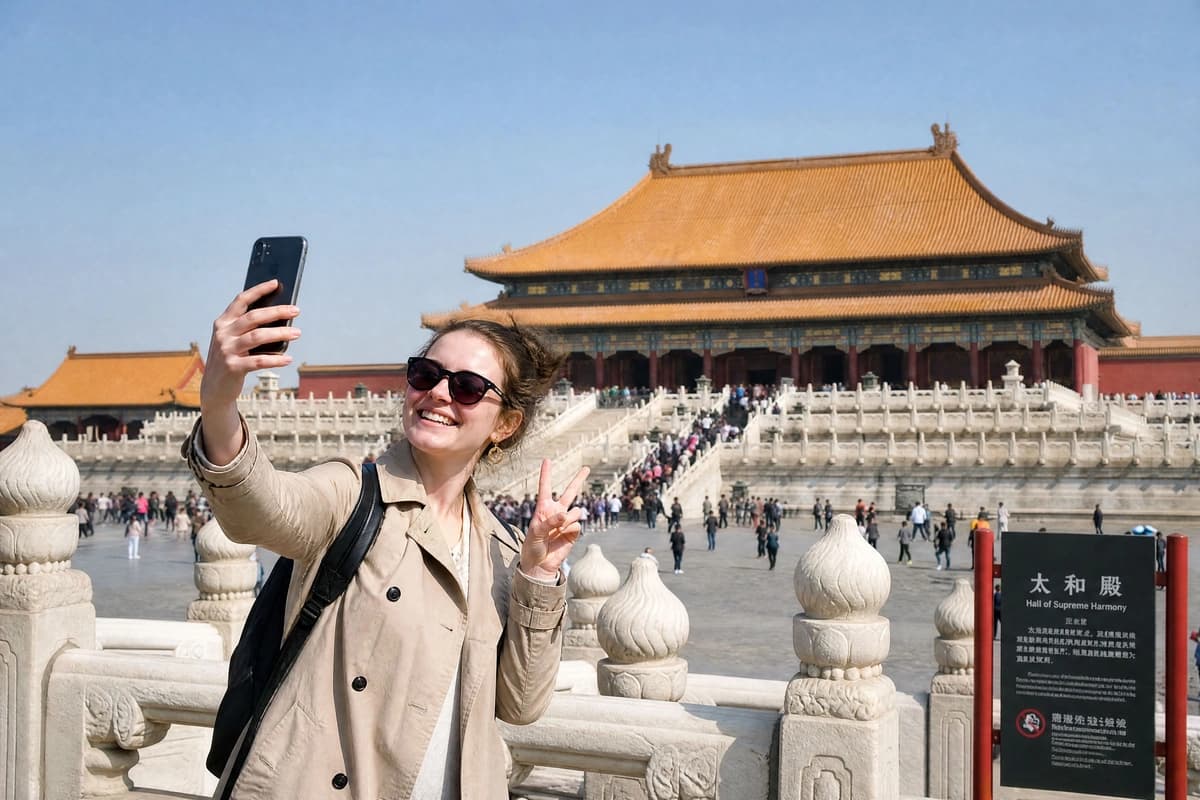
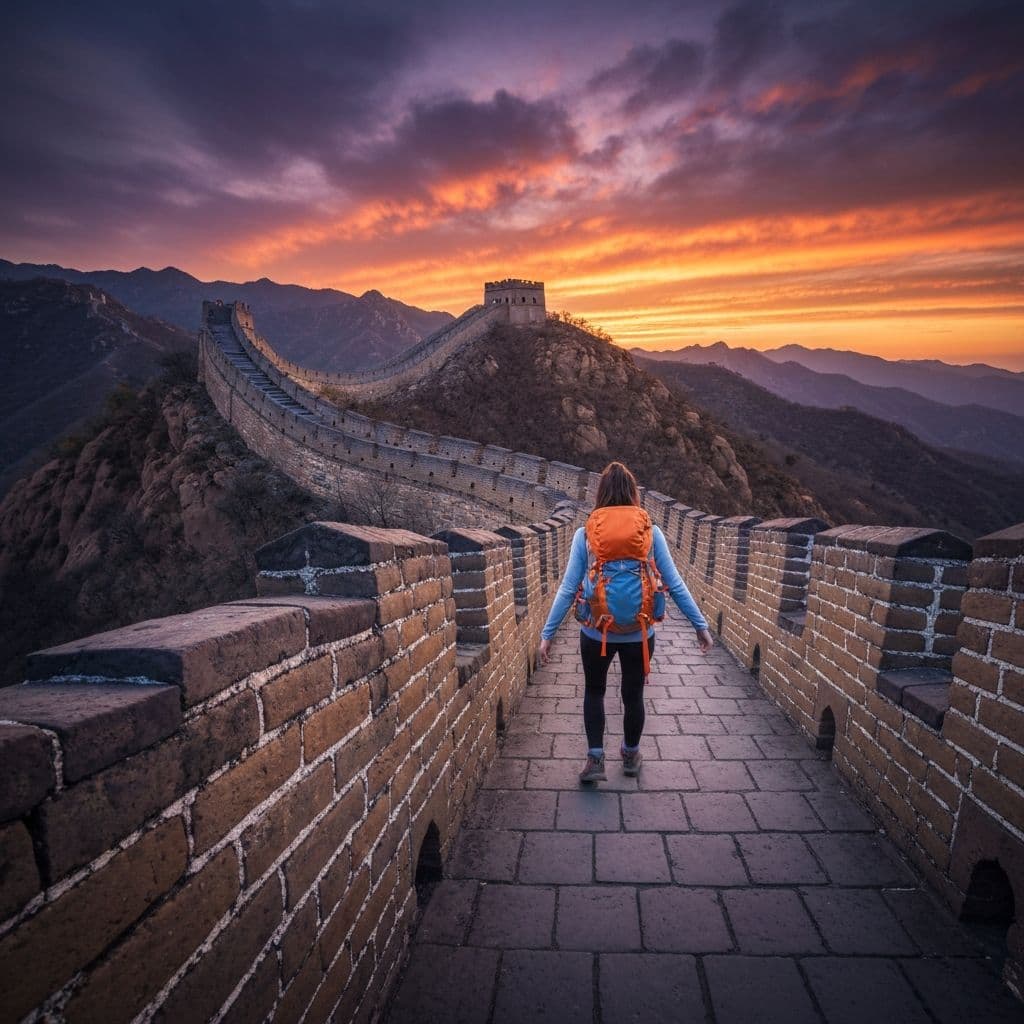
For history enthusiasts: Beijing and Xi'an are excellent choices, as the Forbidden City, the Great Wall, and the Terracotta Warriors form the "Golden Triangle" of Chinese history.
For urban explorers and first-time travelers abroad: Shanghai is a great choice; it offers the most user-friendly infrastructure, the most convenient transportation, and the lowest barrier to entry.
Family Trip: Chengdu + Guilin; pandas and stunning landscapes, a relaxed pace, and highly child-friendly.
For nature and photography enthusiasts: Zhangjiajie + Guilin—quartz sandstone peak forests and karst landscapes offering the most striking visual impact.
Culinary Explorer: Chengdu & Xi'an—Sichuan cuisine and Northwestern wheat-based dishes: authentic and accessible.
Time-constrained or budget-sensitive: Beijing or Chengdu; a "signature experience" can be enjoyed in a single city, with controllable travel costs.
If you have 10 to 14 days for your trip, the most classic and well-balanced itinerary is: Beijing → Xi'an → Chengdu → Guilin/Yangshuo → Shanghai. This route encompasses history, cuisine, nature, and urban life, making it the most highly rated option among the majority of first-time visitors to China.
II. History Enthusiasts: Beijing and Xi'an
Beijing: The Threshold of Empire
Beijing is the city that offers the most powerful experience of "Classic China." If you want to stand on the Great Wall and step into the Forbidden City during your first visit to China, Beijing is an irreplaceable choice.
Who it’s for: Almost everyone, especially first-time visitors to China seeking an "iconic Chinese experience." It is also well-suited for families with children and travelers accompanied by elderly family members, thanks to the concentration of attractions and well-developed transportation infrastructure.
Recommended duration: 3–5 days.A three-day itinerary covers the core combination of Tiananmen Square, the Forbidden City, Jingshan Park, the Great Wall, the Temple of Heaven, and the Summer Palace; a five-day itinerary allows for the addition of a hutong stroll, the National Museum, or Universal Studios.
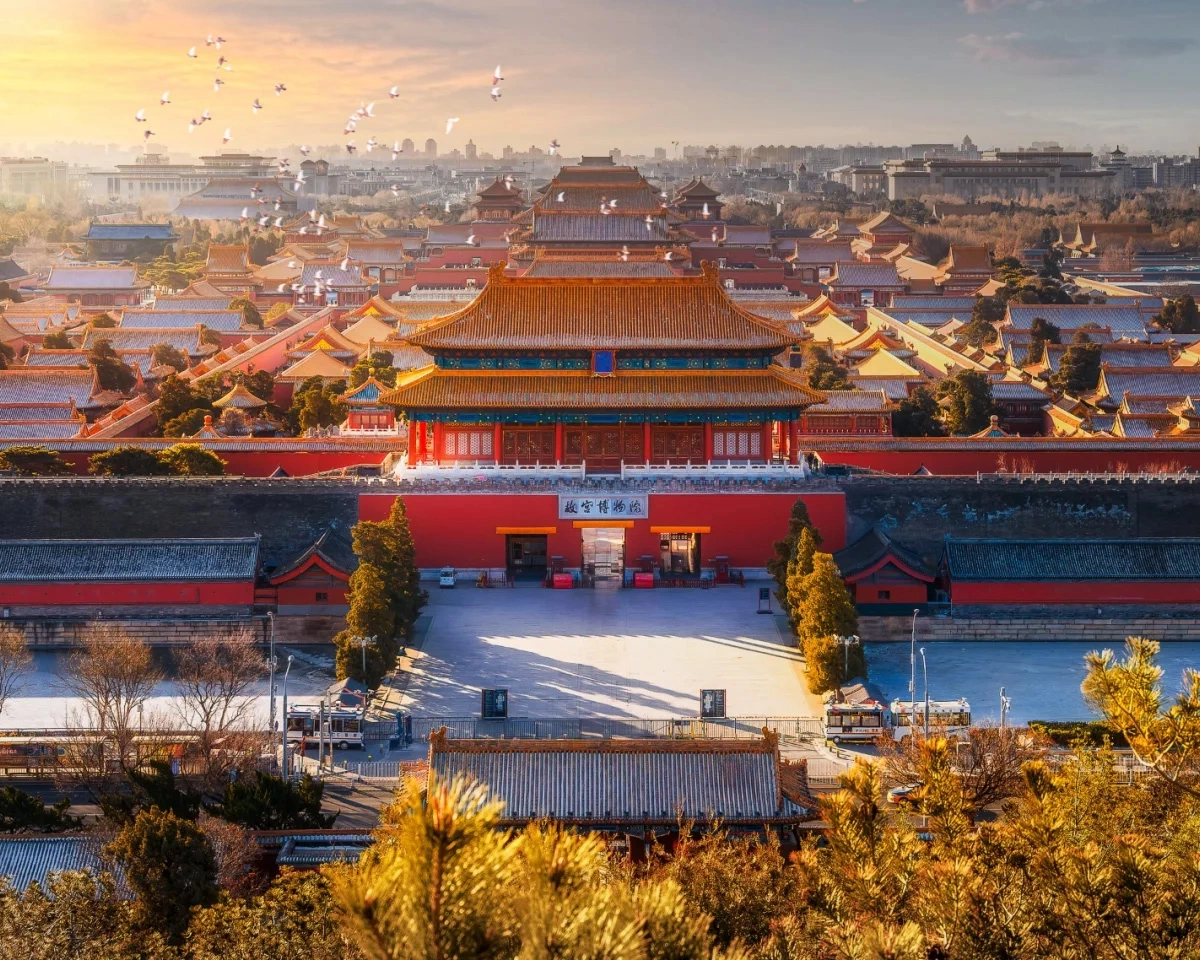
Must-visit highlights: The Forbidden City (be sure to book 7 days in advance), the Great Wall (optional), the Temple of Heaven, the Summer Palace, and Jingshan Park (the best spot for a panoramic view of the Forbidden City). For night views, consider visiting Shichahai or Qianmen Street.
Great Wall Selection: Hiking the Great Wall: A Complete Guide to the Best Sections
Best seasons: April–May (warm spring with blooming flowers) and September–October (crisp, clear autumn weather); avoid the high heat of summer and the peak periods for winter smog.
Recommended Route: Beijing 3-Day Private Tour Forbidden City Great Wall Hutongs
Xi'an: A Millennium Above and Below Ground
If Beijing showcases the face China presents to the outside world, Xi'an reveals the essence of China itself. No photograph can truly convey the awe-inspiring impact of the Terracotta Warriors; standing before Pit 1, the sheer scale of the site redefines your understanding of ancient China.
Who it’s for: History buffs, archaeology and culture enthusiasts, photography lovers, and any traveler wishing to truly grasp the depth of Chinese history during their first trip to the country. Strolling through the "Grand Tang Ever-Bright City" while wearing traditional Hanfu is also a unique Xi'an experience.
Recommended duration: 2–4 days. The Terracotta Warriors and the City Wall each require at least half a day; adding the Shaanxi History Museum, Giant Wild Goose Pagoda, and Great Tang All Day City makes for a comfortable three-day itinerary.
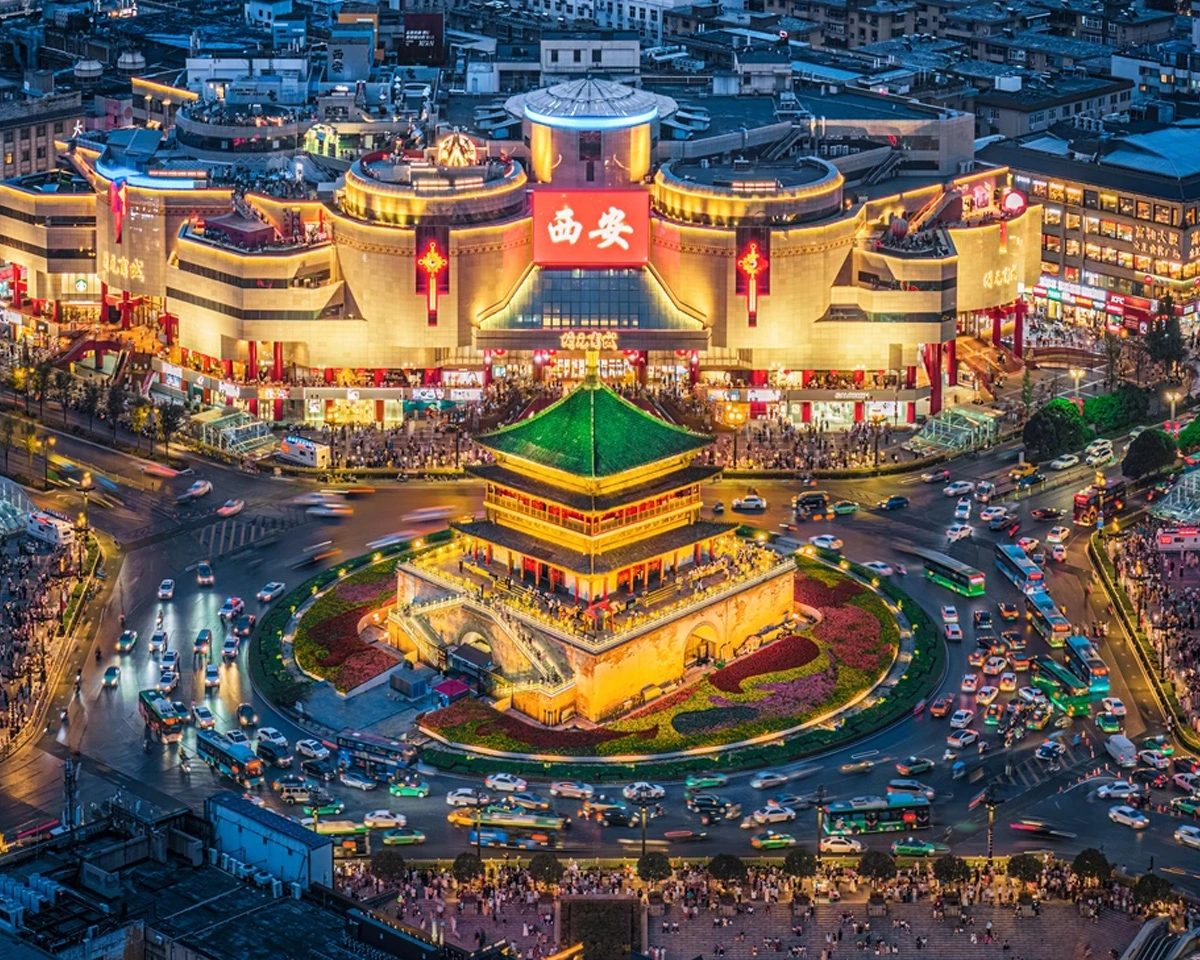
Must-visit highlights: The Terracotta Army of Emperor Qin Shi Huang, Shaanxi History Museum, Xi'an City Wall (cycling at dusk to watch the sunset), and Great Tang All Day City (night scenery and a district themed around the glorious Tang Dynasty).
Best seasons: October–November and March–April; temperatures range from 15°C to 22°C, with mostly sunny days and low humidity.
Recommended Route: Xi'an 3-Day Private Tour Terracotta Warriors City Highlights
III. Urban Wanderer and First Trip Abroad: Shanghai
If you want the "barrier to entry" for navigating the city to be as low as possible on your first visit to China—with a clear subway system, widespread English signage, an abundance of cafés and convenience stores, and payment methods that are friendly to international tourists—Shanghai is the safest starting point.
Who it’s for: First-time visitors to China who prioritize a "big-city-friendly" experience. Shanghai’s subway system, English signage, and international dining and accommodation options make it the most accessible entry point for a first trip to China.
Recommended duration: 3–4 days. You could spend one day on a classic sightseeing route (Yu Garden, City God Temple, Wukang Road, and the Bund at night), another day visiting museums and cycling along the waterfront, and a third day visiting Zhujiajago or Disneyland—all at a leisurely pace.
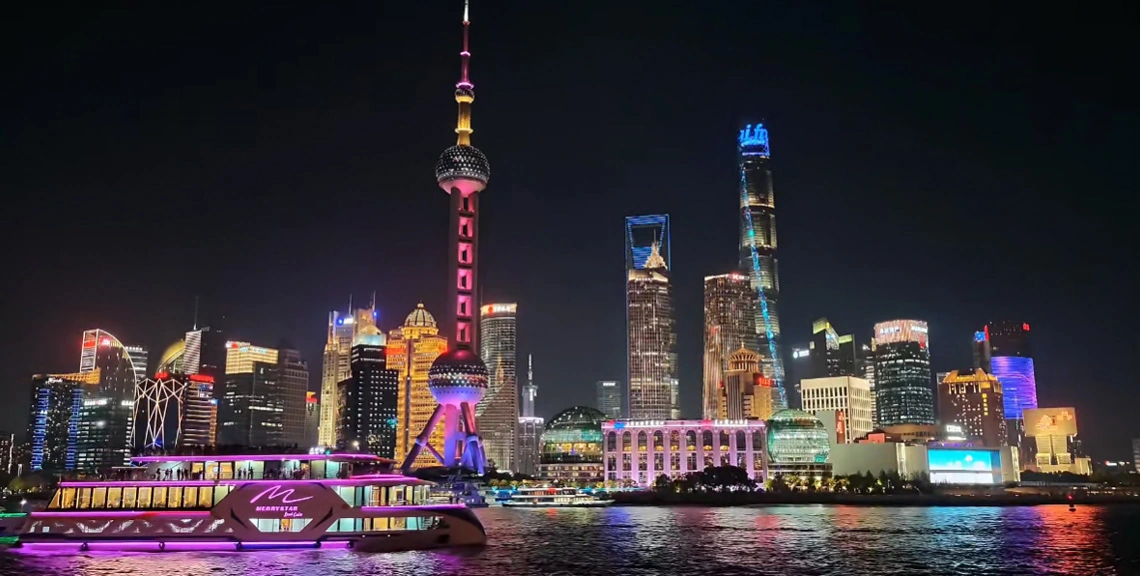
Must-see attractions: The juxtaposition of the Bund’s diverse architectural styles against the Lujiazui skyline serves as Shanghai’s quintessential visual signature; yet, what truly sets the city apart are the historic Western-style villas along Wukang Road, the alleyways of Tianzifang, the Suzhou Creek promenade, and options for half-day excursions to Jiangnan water towns like Zhujiajiao.
Best seasons: March–May and September–November, avoiding the hot, humid summer and the cold, damp winter.
Recommended Route: Xi'an 3-Day Private Tour Terracotta Warriors City Highlights
IV. Family Trips: Chengdu and Guilin
Chengdu: Pandas, Teahouses, and a Leisurely Pace
Chengdu’s core competitiveness lies in its sense of comfort. It offers a superb combination of giant pandas, hotpot, and teahouse culture, making it the major Chinese city with the most relaxed pace of life.
Who it’s for: Almost everyone—especially first-time visitors to China who prefer a relaxed pace and have high expectations for the food.
Recommended duration: 3–4 days. A 3-day trip allows you to cover the Panda Base, classic city attractions (People's Park, Kuanzhai Alley, Jinli Ancient Street, and Wuhou Shrine), as well as the Chunxi Road and Taikoo Li area. If you wish to include Dujiangyan or Mount Qingcheng, a 4–5 day itinerary is recommended. For classic hiking experiences, you might choose the Leshan Giant Buddha or Mount Emei.
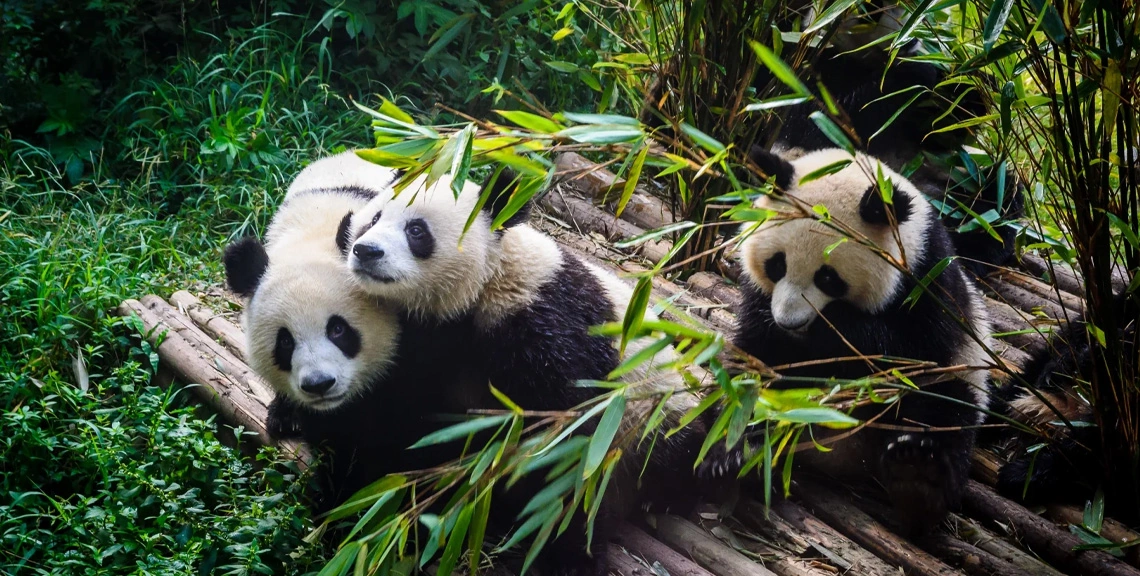
Key Experiences: The Chengdu Research Base of Giant Panda Breeding is an unmissable first stop, while Heming Teahouse in People's Park offers the perfect setting to experience Chengdu’s leisurely pace of life. Kuanzhai Alley and Jinli are ideal for an evening stroll, whereas the Wuhou Shrine and Du Fu Thatched Cottage provide cultural depth. The modern commercial atmosphere of Chunxi Road and Taikoo Li creates an intriguing contrast with the authentic, down-to-earth vibe of old Chengdu.
Best seasons: March–May and September–November; the weather is pleasant, making it ideal for urban leisure and outdoor teahouses.
The pace of life in Chengdu is naturally suited to families: at the Heming Teahouse in People's Park, you can while away half the day sipping tea just like the locals; Dongjiao Memory appeals to younger visitors; and sites like the Wuhou Shrine and Du Fu Thatched Cottage offer a blend of culture and great photo opportunities.
Recommended Route: Chengdu 3-Day Private Tour Panda Base Dujiangyan Qingcheng
Guilin: The "Embodiment" of Classic Chinese Landscapes
Guilin’s strength lies in its visual "softness"—the karst peaks are neither towering nor precipitous, making the area exceptionally accessible for the elderly and children. There are few hiking trails; travel to destinations is primarily by car or boat.
Who it’s for: Travelers who prioritize natural scenery, photography enthusiasts, couples, and families. Guilin is a destination for "slow travel," perfect for those who prefer not to rush and wish to spend time immersed in the landscape. Students and budget travelers can also enjoy a high-quality experience at a very low cost.
Recommended duration: 3–4 days. A classic itinerary combines one day in Guilin city with two days in Yangshuo: in the city, visit Elephant Trunk Hill and enjoy the night scenery of the Two Rivers and Four Lakes; in Yangshuo, explore the scenic highlights of the Li River, the Yulong River, and the Ten-Mile Gallery. If you plan to include the Longji Rice Terraces, it is recommended to allow for more time.
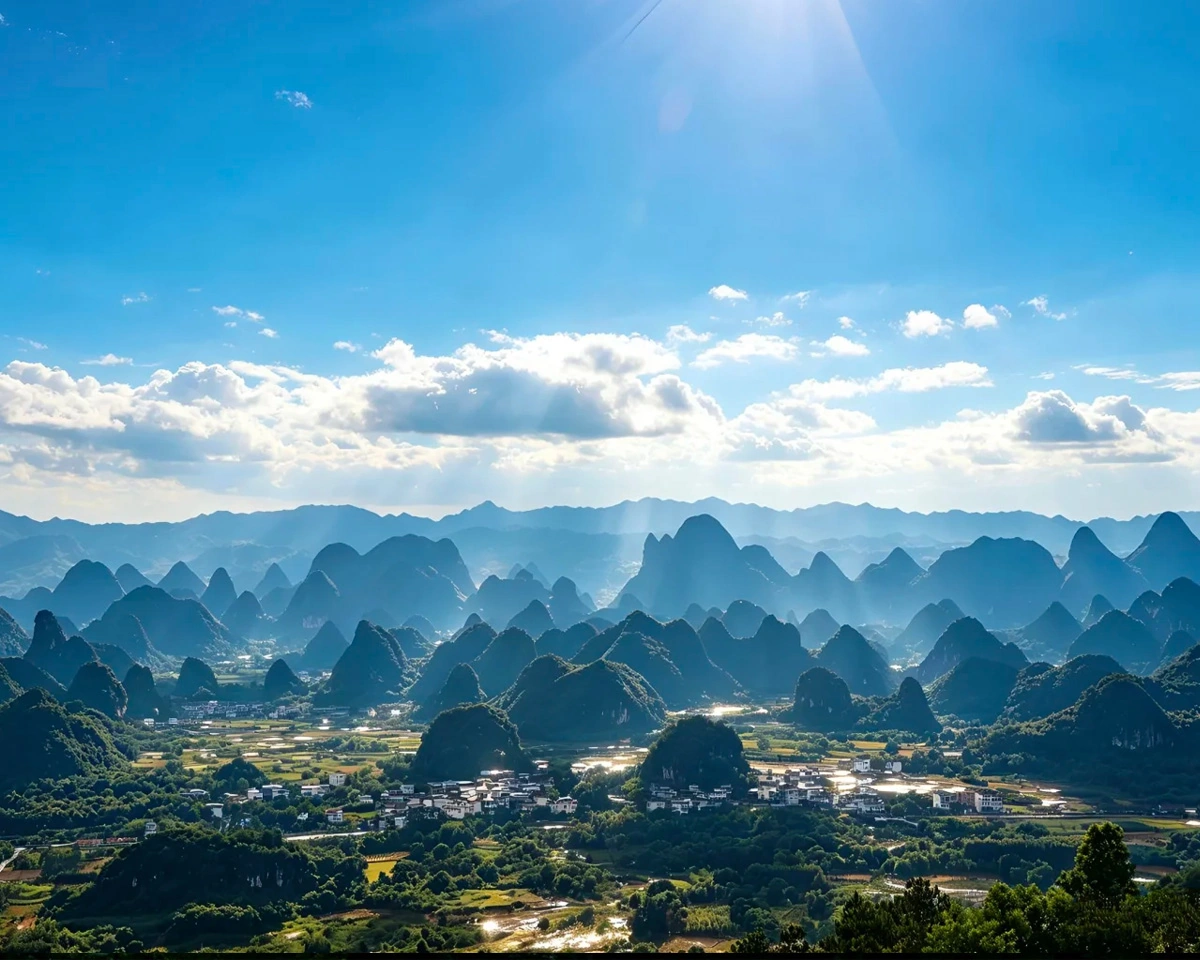
Key Experiences: Li River cruise (choice of bamboo raft or sightseeing boat), Yulong River "Golden Dragon" cruise, cycling along the Ten-Mile Gallery, and the Longji Rice Terraces (scenery is best in spring and autumn).
The best times to visit are March–May (the Li River amidst misty rain) and September–November (crisp autumn air and the golden hues of the Longji Terraces). Although July and August are hot, the mist and clouds swirling around the karst peaks after the rain make this another excellent time to explore Guilin.
Recommended Route: Guilin Yangshuo 3-Day Private Tour Li River Cruise Xingping
V. Nature and Photography Enthusiasts: Zhangjiajie
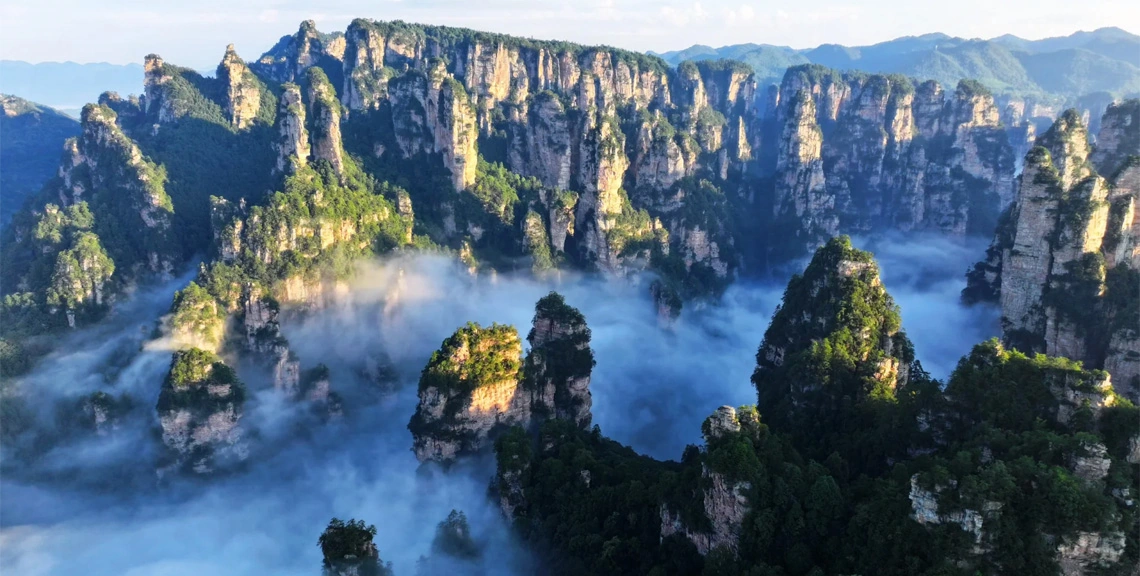
Both Zhangjiajie and Guilin offer world-class natural scenery, yet their styles are vastly different. The core attraction of Zhangjiajie is its unique quartz sandstone pillar landscape, featuring a breathtaking forest of towering peaks.
Who it’s for: Lovers of natural scenery and photography, and travelers willing to put in some physical effort to explore the landscape. The scenic area in Zhangjiajie is vast, requiring significant walking and transfers between eco-friendly shuttle buses; this demands a certain level of physical stamina and is not ideal for elderly individuals with limited mobility or very young children.
Recommended duration: 3–4 days. You could spend one day at Zhangjiajie National Forest Park and another visiting Tianmen Mountain and Zhangjiajie Grand Canyon; if time permits, you might also consider visiting Furong Town or Fenghuang Ancient Town.
武陵源.jpg
Key Highlights: Zhangjiajie National Forest Park (inspiration for the "Hallelujah Mountains" in Avatar), Tianmen Mountain (the "Hundred-Step Sky Ladder"), and Zhangjiajie Grand Canyon, featuring a thrilling glass bridge.
The best times to visit are April–May and September–November, when there is a high probability of seeing a sea of clouds and you can avoid the peak rainy season of July–August. Winter (December–February) is the off-season and offers the best value for money, though some cable cars and outdoor activities may be affected by the weather.
Recommended Route: Zhangjiajie 5-Day Private Tour Wulingyuan and Fenghuang
VI. Budget-Conscious Travelers: How to Choose
There are significant differences in travel costs across the six cities. Overall, accommodation and dining expenses in Xi'an, Chengdu, and Guilin are lower than in Beijing and Shanghai, whereas admission tickets and in-park transportation (cable cars, outdoor elevators, and escalators) constitute the primary expenses in Zhangjiajie.
Budget-conscious strategy: Prioritize Xi'an or Chengdu as the starting point and use high-speed rail to connect to subsequent cities, rather than beginning in Beijing or Shanghai and incurring high costs while traveling south.