Great Wall Hiking Guide: How to Choose the Best Section from Beijing
The best Great Wall hiking experience depends on more than finding the most famous section. Travelers need to balance scenery, restoration, crowds, walking difficulty, transport time, and the amount of help they want on the day. Mutianyu is a strong all-round choice for many first-time visitors, Badaling is convenient and accessible, and Jinshanling offers a quieter landscape with a more demanding walk. This guide compares the main options and gives you a practical way to choose.
Which Great Wall section should you visit?
Choose Mutianyu if you want a scenic, well-restored section with a good range of walking options and a more relaxed atmosphere than the busiest areas. It works well for couples, families with older children, and travelers who want time for photographs without committing to an all-day wilderness hike.
Choose Badaling if convenience, transport connections, and accessibility are your top priorities. It is one of the most developed visitor areas, with clear facilities and easier logistics for a short first visit. Its popularity also means that busy periods can feel crowded.
Choose Jinshanling if landscape and a longer walk matter more than the shortest journey. The section combines restored towers with quieter, more rugged stretches. It is a better fit for travelers who are comfortable with uneven steps and want a stronger hiking focus.
Choose Jiankou only after checking current local access advice and your own experience. The scenery is dramatic, but some paths are steep, exposed, or uneven. It should not be treated as a casual sightseeing walk, especially after rain, snow, or strong wind.
For a first trip, our practical order is simple: start with Mutianyu for balance, choose Badaling for the easiest logistics, and choose Jinshanling for a quieter, more physical day.
Mutianyu: the best balance for many first-time visitors
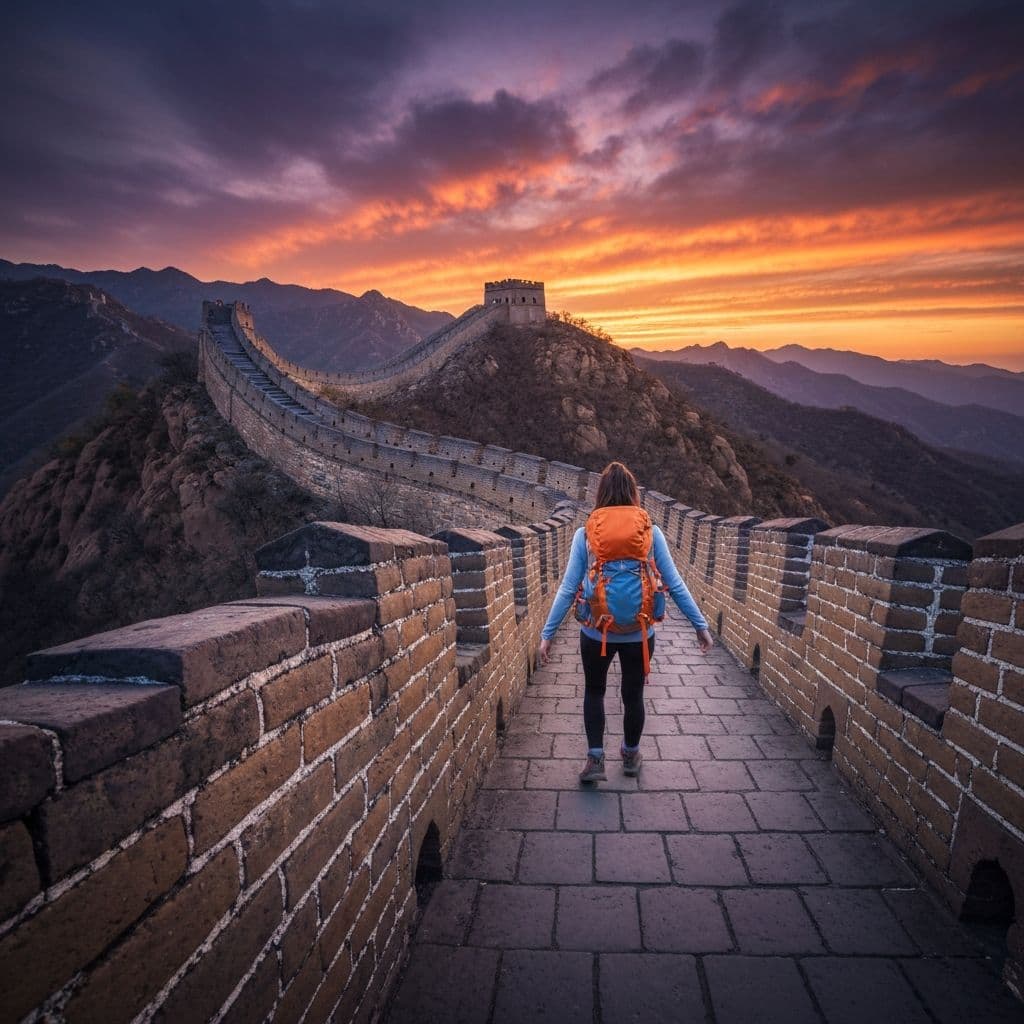
Mutianyu is often the most versatile choice for an international traveler based in Beijing. The wall runs along forested ridges, and the combination of restored watchtowers, mountain views, and optional cable-car access makes it possible to adjust the day to different fitness levels.
The central mistake is to plan only for the wall itself. Allow time for the transfer from Beijing, the entrance process, the walk from the visitor area, and breaks on the ridge. A comfortable visit usually works better as a full day than as a rushed morning excursion. Start early if you want cooler walking conditions and a quieter first section.
Mutianyu also suits a private vehicle because the schedule can follow your pace. You can walk one direction, stop for photographs, and return by cable car or another approved route rather than matching a large group's fixed departure time. Review the exact inclusions of any tour before booking: transport, entrance tickets, meals, cable-car or toboggan costs, and guide service may be handled separately.
Internal planning links: Beijing destination guide, Great Wall at Mutianyu tour, and Beijing classic three-day tour.
Badaling: the simplest introduction
Badaling is a practical choice when you want a famous section with a developed visitor infrastructure. The walking surface and facilities are easier to understand, and the section can fit travelers with limited time. It is also useful for families or mixed-age groups who need predictable rest points and a clear route.
The trade-off is atmosphere. Badaling is one of the most visited sections, so the experience changes sharply with season, weekends, public holidays, and arrival time. If you dislike crowds, ask whether an early departure is realistic and whether a different section would fit your priorities better.
Do not measure a Great Wall visit only by distance walked. Shorter, steeper climbs can be tiring, while a longer route with regular stops may feel more manageable. Comfortable shoes, water, sun protection, and a light layer matter more than trying to cover every tower.
You can use the Badaling attraction page to compare the public information already available on the site. Confirm any current ticket, opening, or transport details before travel because operational rules can change.
Jinshanling: scenery and a stronger hike
Jinshanling is attractive to travelers who want more space, longer views, and a route that feels closer to a mountain hike than a city attraction. The contrast between restored and less-restored sections creates a varied landscape, but it also means that the surface and stairs can be less uniform.
Plan this section around daylight, weather, and your return transfer. A private guide or driver can help with the meeting point, route choice, water stops, and timing, but support does not remove the need for suitable footwear and realistic pacing. If your group includes people with knee, balance, or heat-related concerns, discuss the route before confirming.
Jinshanling is usually a poor choice for a late start followed by several other major Beijing attractions. Give the walk enough time to feel unhurried, then leave a buffer for the return journey.
How difficult is Great Wall hiking?
Difficulty varies by section and by the route chosen on the day. The wall follows ridgelines, so even a short visit can include repeated climbs and descents. Stairs may be high or irregular, and the surface can become slippery in wet or cold conditions.
Use this simple planning scale:
Easy to moderate: a short, managed walk with frequent stops, suitable for visitors who want views rather than a long route.
Moderate: several towers and repeated stairs, requiring comfortable shoes and steady pacing.
Moderate to challenging: a longer ridge route, uneven surfaces, and fewer facilities, better for active travelers with daylight available.
There is no benefit in forcing the longest route. A private itinerary can be more enjoyable when it includes a shorter wall walk, a proper lunch, and time to return before fatigue becomes the main memory of the day.
What to bring
Wear shoes with grip rather than smooth fashion sneakers. Bring water, sun protection, a small snack, and a light rain or wind layer. A hat is useful on exposed ridges, while gloves can help in colder months when metal rails and stone surfaces are uncomfortable.
Keep your day bag small. You will appreciate having both hands free on stairs. Carry any medication you may need, but do not leave important documents or valuables in an unattended vehicle. Ask your guide about the day's meeting point and the best place to keep larger luggage.
Weather changes quickly on elevated sections. Check the forecast shortly before departure, and be willing to shorten or change the route if conditions make the planned walk unsafe.
When is the best time to hike?
Spring and autumn often offer a comfortable balance of temperature and scenery, but they are also popular travel periods. Summer can be hot and humid, especially on exposed sections, so an early start and regular water breaks are important. Winter can bring clear views and fewer visitors, but cold wind, ice, and shorter daylight require more careful planning.
Avoid assuming that a public holiday will feel like an ordinary weekend. Transport and visitor volumes can be much heavier. If your dates are fixed, ask for an early departure and a realistic return window rather than promising a precise finish time.
How to choose a Great Wall day trip
Before booking, ask five questions:
Which section is included, and why does it fit our group?
Is private transport included from our hotel or a fixed meeting point?
Are entrance tickets, cable-car fees, meals, and guide service included?
How much time is planned on the wall, and can the route be shortened?
What happens if weather, traffic, or access rules change?
A useful itinerary should explain the day in plain language rather than relying on a generic “Great Wall experience” label. Compare the walking plan, not just the headline price. A cheaper tour may exclude transport, tickets, or the route feature you expected.
For a balanced first visit, see the Great Wall at Mutianyu Adventure. For a wider introduction to the capital, compare it with the Beijing Classic three-day tour. If you prefer to shape the day around your own pace and interests, review the Beijing private car tour and confirm the final route with the trip planner.
Great Wall hiking FAQs
Can I visit the Great Wall in half a day?
It is possible for some routes, but a full day is usually more comfortable from central Beijing because transfers and entry take time. A half-day plan should use a convenient section and a clearly defined walking route.
Is Mutianyu better than Badaling?
Neither is universally better. Mutianyu is often preferred for scenery and a less crowded feel, while Badaling is useful for straightforward access and facilities. Choose based on your group's priorities and travel date.
Do I need a guide to hike the Great Wall?
No, but a guide or private driver can reduce logistics work, explain route options, and help adjust the schedule. The value depends on your transport confidence, language needs, and preferred pace.
What if someone in my group cannot climb many stairs?
Tell the planner before booking. Ask about cable-car access, shorter viewpoints, rest opportunities, and whether another section is more suitable. Do not assume that a “day tour” is automatically accessible.
Should I hike the wild wall?
Only with current local advice, suitable preparation, and a route appropriate for your experience. Unrestored or exposed sections can carry risks that are not obvious from photographs.
Final planning advice
The right Great Wall section is the one your group can enjoy at a steady pace. Mutianyu is a strong default, Badaling makes sense when convenience comes first, and Jinshanling rewards travelers who want a quieter and more physical route. Decide the section, walking time, transport, and inclusions together, then leave a weather and traffic buffer in the schedule.
The Great Wall is one part of a Beijing itinerary. Pair it with the city's historical neighborhoods, food, and parks rather than trying to collect every landmark in one day. A well-paced private plan gives you better photographs, better conversations, and enough energy to enjoy the rest of your China trip.