Explore Amazing Attractions
Discover iconic landmarks, natural wonders, and cultural treasures across China
518 attractions
Natural Scenery
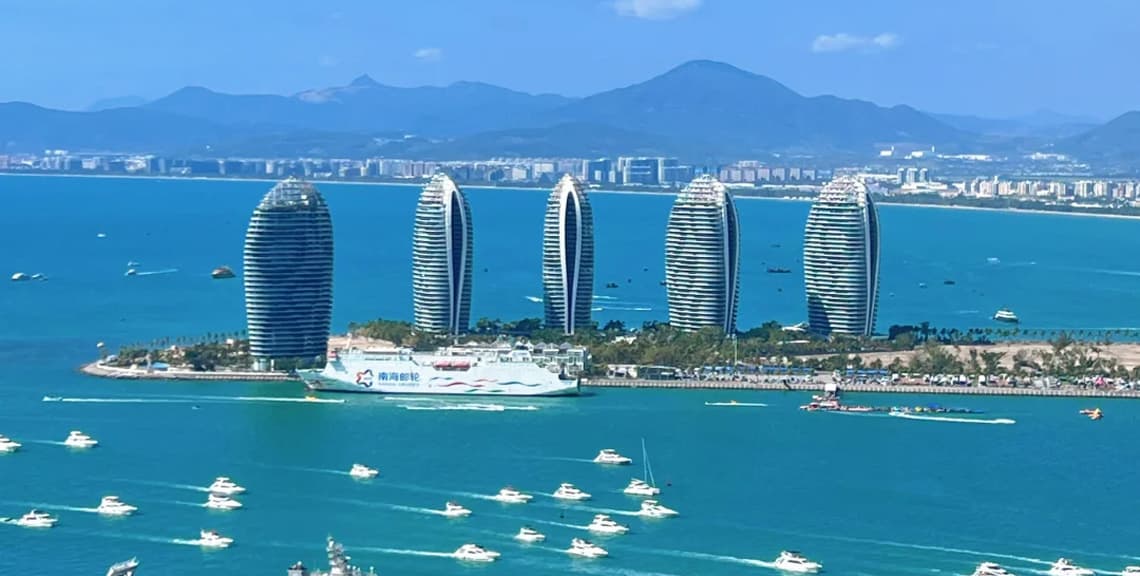
Luhuitou Scenic Area
Sanya
It derives its name from the touching local Li ethnic legend about a deer turning its head, hence known as the "Love Mountain of Sanya".
2-3 hours
¥45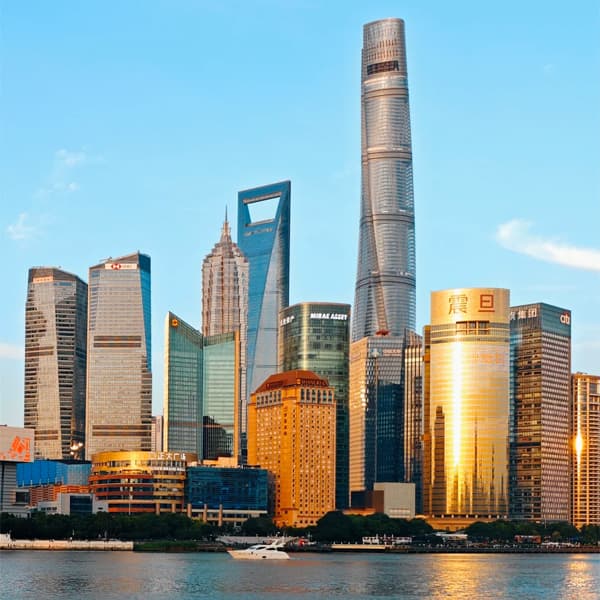
Cultural Site
Lujiazui
Shanghai
Shanghai’s world‑famous financial district home to dense skyscrapers, offering spectacular panoramic river views toward the Bund.
1-2 hours
Free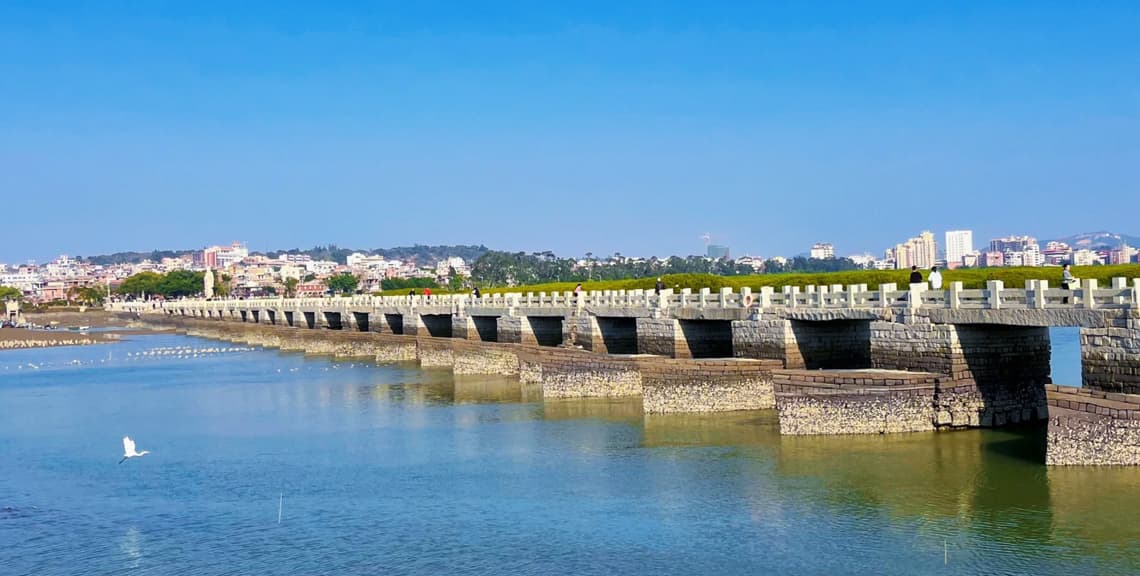
Historical Site
Luoyang Bridge
Quanzhou
Located at the boundary of Luojiang District, Luoyang Bridge is a core World‑Heritage site of “Quanzhou: Emporium of the World in Song‑Yuan China”.
1-2 hours
Free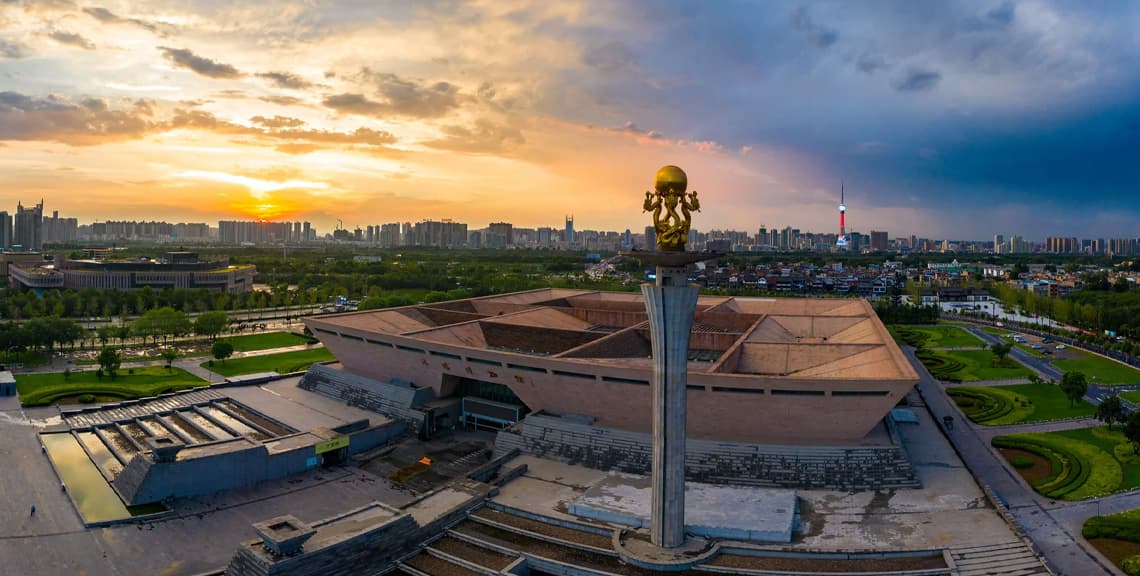
museum
Luoyang Museum
Luoyang
It is a prestigious national first-class comprehensive museum with a unique architectural shape resembling a huge bronze square ding, covering a total area of 300 mu and a building area of 62,000 square meters.
3-4 hours
Free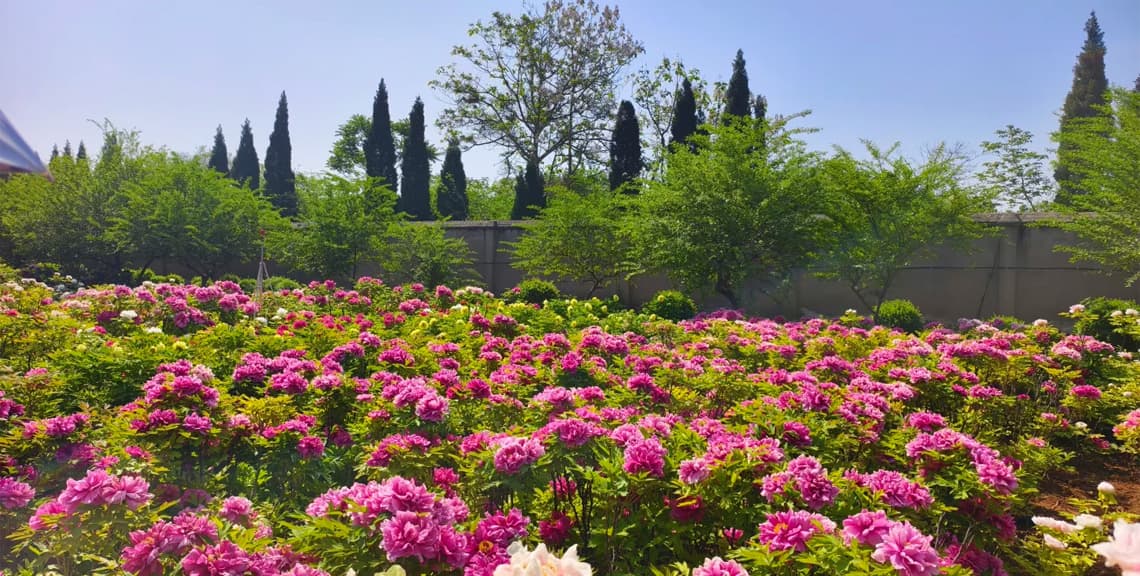
park
Luoyang Peony Garden
Luoyang
Founded in 1992, it covers an area of 150 mu, with more than 500 peony varieties and over 450,000 peony plants in total.
2-3 hours
¥30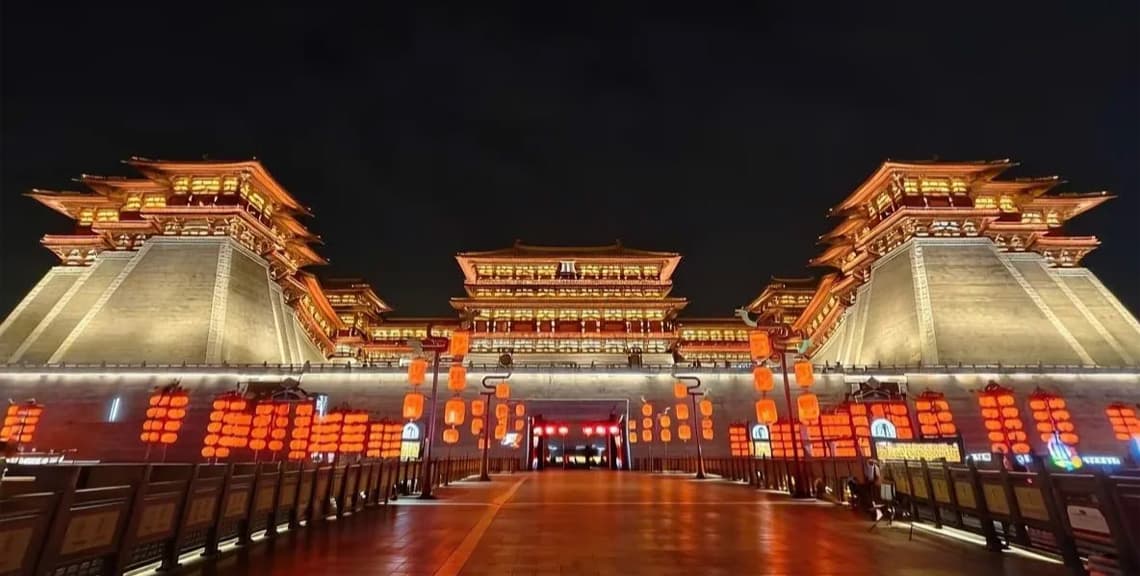
Historical Site
Luoyi Ancient City
Luoyang
Built along the relics of the Sui-Tang Newtan Canal and Jin Dynasty city wall, it is a large-scale immersive Tang-style ancient block that integrates historical ruins, intangible cultural heritage, folk customs and night tourism.
3-4 hours
Free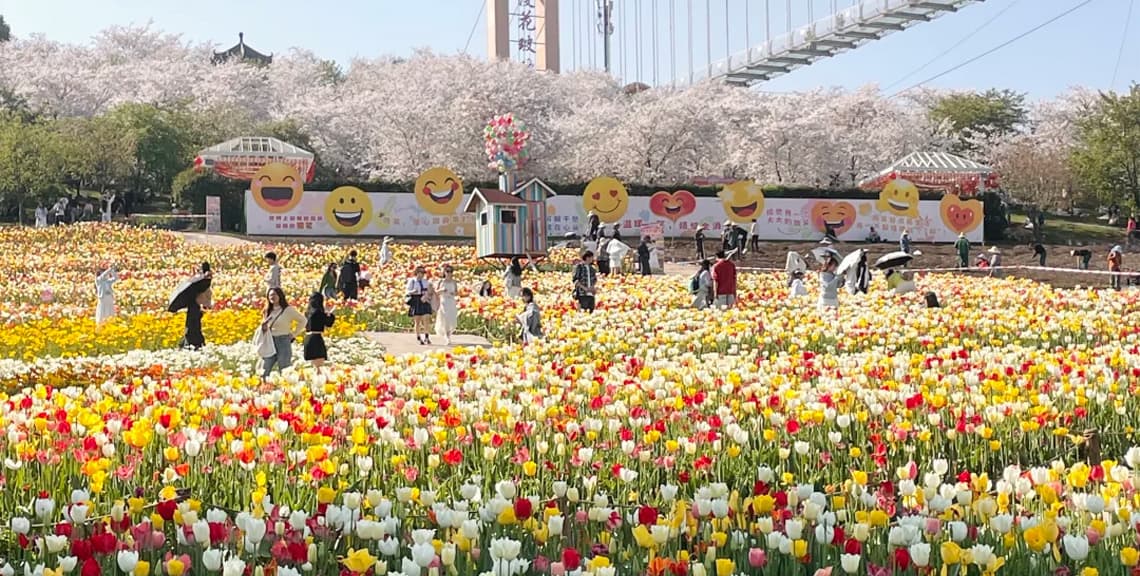
Natural Scenery
Manhua Manor
Chengdu
A 3A floral scenic spot near Chengdu with four-season flower seas, glass skywalk and diverse family amusement facilities.
3-4 hours
¥80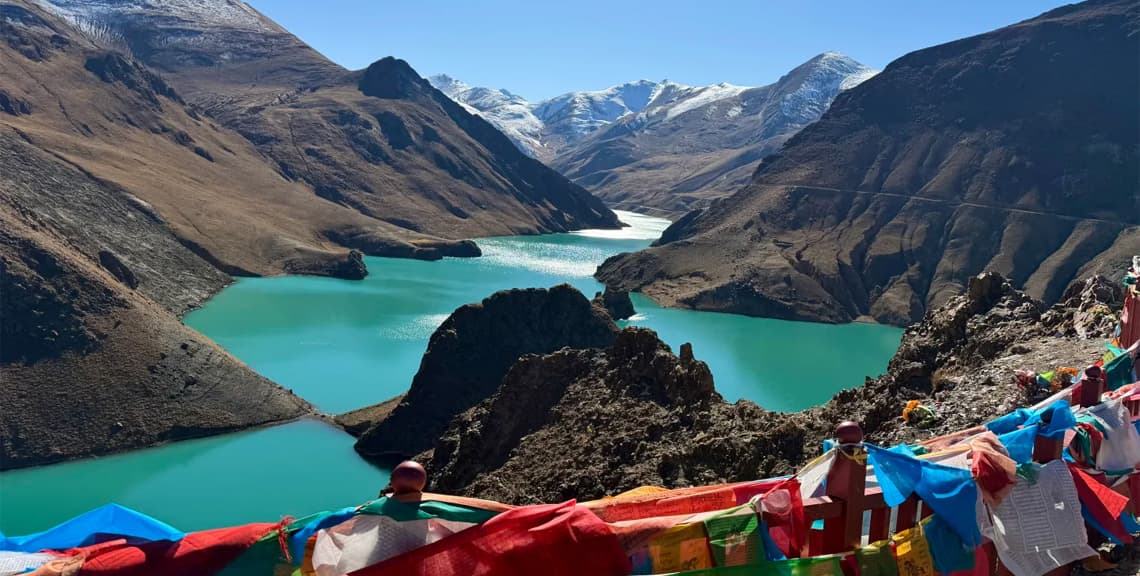
Natural Scenery
Manla Reservoir
Shigatse
It is a large comprehensive water conservancy hub focusing on irrigation, power generation and flood control, honored as the First Dam of Tibet for its 76.3-meter-high core rockfill dam.
1-2 hours
Free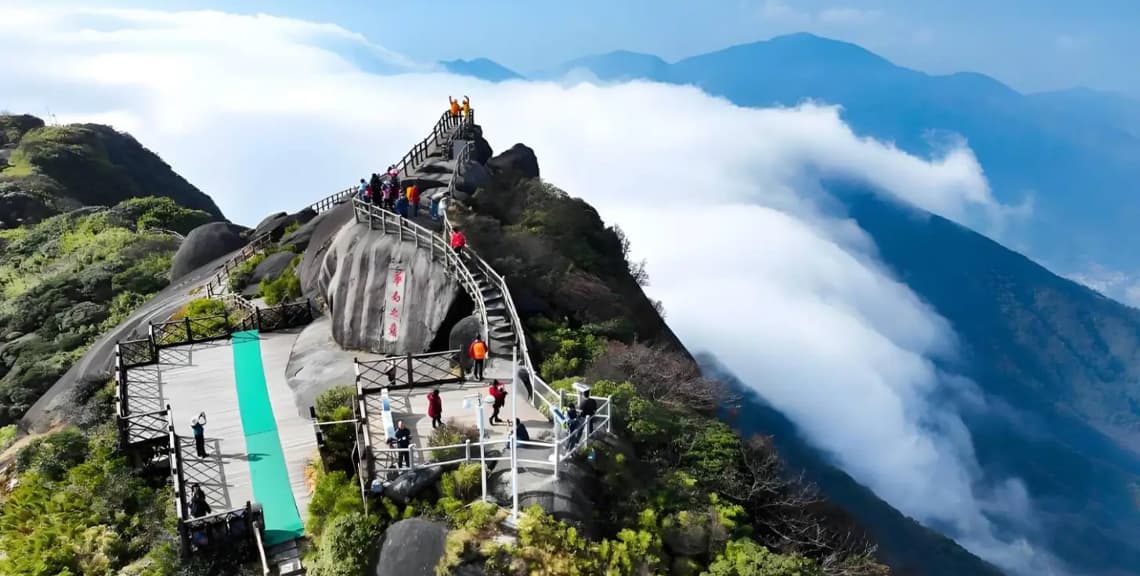
Natural Scenery
Mao'er Mountain
Guilin
South China’s highest peak, the source of Li River famous for sea of clouds, sunrise and winter rime scenery.
5-8 hours
¥160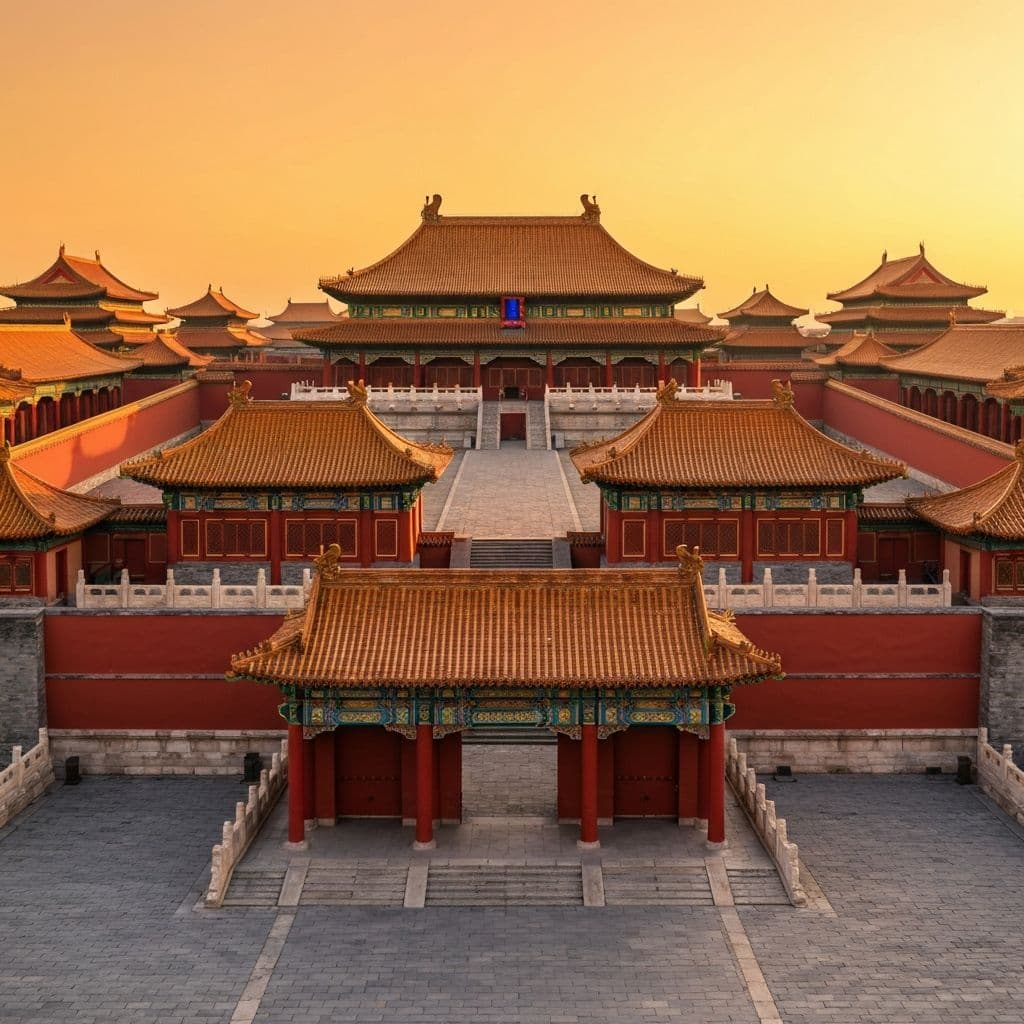
Historical Site
Marshal Zhang’s Mansion
Shenyang
Marshal Zhang’s Mansion was the official residence of Zhang Zuolin and Zhang Xueliang, the famous warlords of the Republic‑of‑China era.
1-2 hours
¥48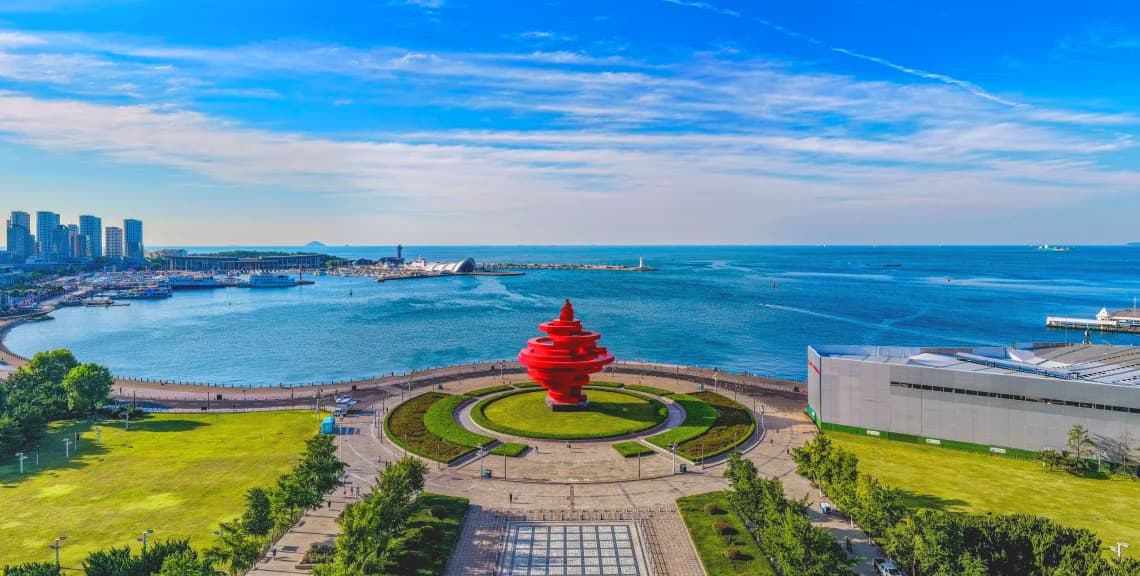
park
May Fourth Square
Qingdao
May Fourth Square stands on the Fushan Bay coastline in Shinan District, Qingdao, opposite the Qingdao Municipal Government.
1 hour
Free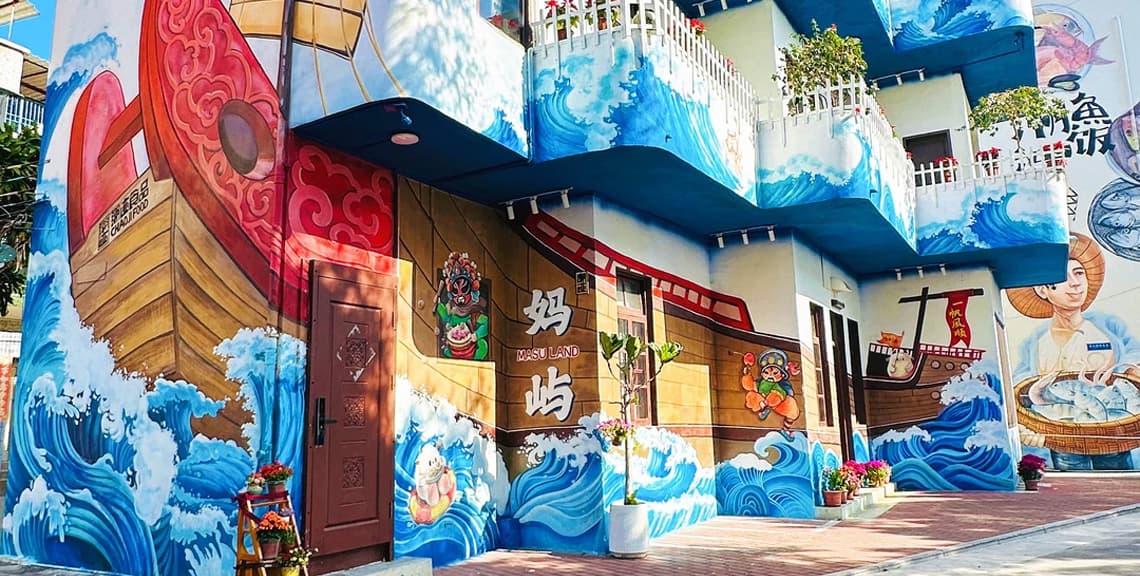
Religious Site
Mayu Island
Shantou
A tiny fishing islet in Shantou inner bay under the Bay Bridge, Mayu Island gets its name from two ancient Mazu temples on the island.
2-3 hours
Free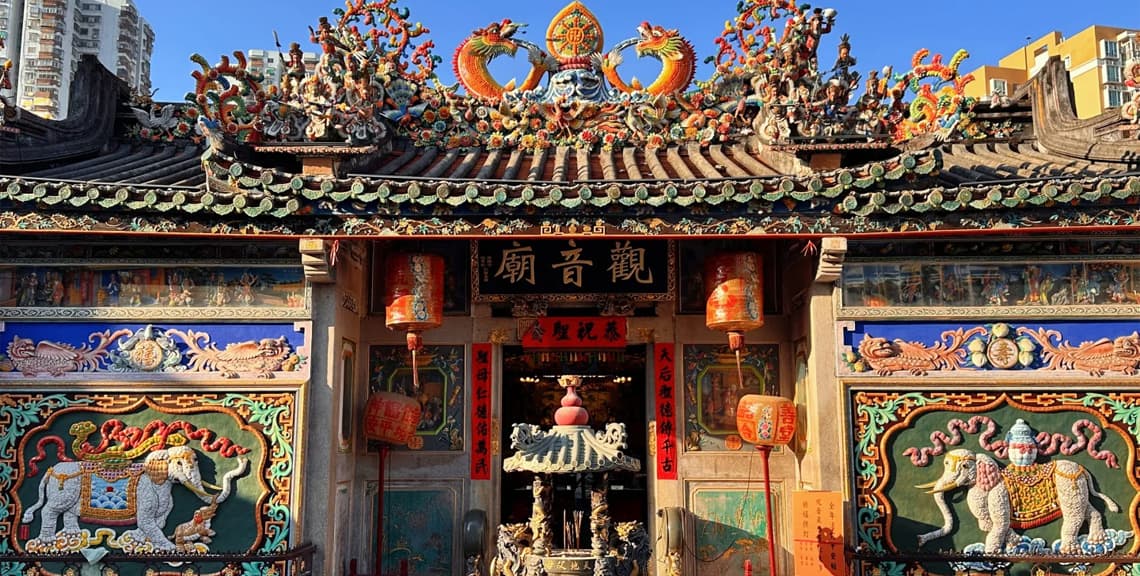
Religious Site
Mazu Palace and Queen Mother Pavilion
Shantou
Located in Jinping District, Mazu Palace and Queen Mother Pavilion is a time‑honoured folk‑religious complex built in the Qing Dynasty.
1 hour
Free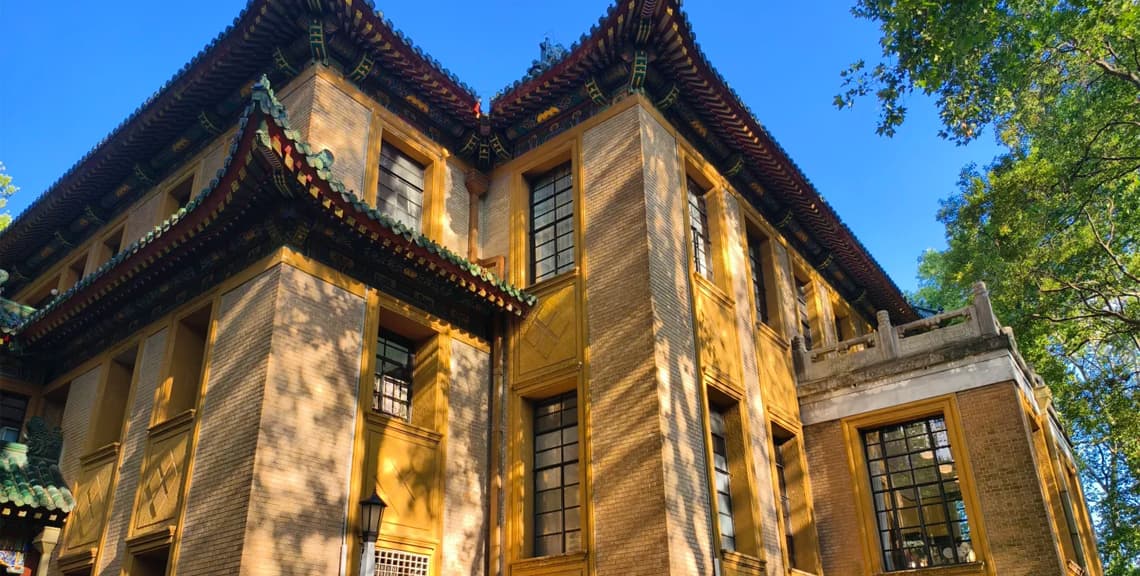
Historical Site
Meiling Palace
Nanjing
Meiling Palace sits at No.9 Zhongshanling, Xuanwu District, Nanjing, Jiangsu Province, inside Zhongshan Mountain Scenic Area, a national AAAAA‑level tourist zone and national key cultural relic protection unit.
1-2 hours
¥30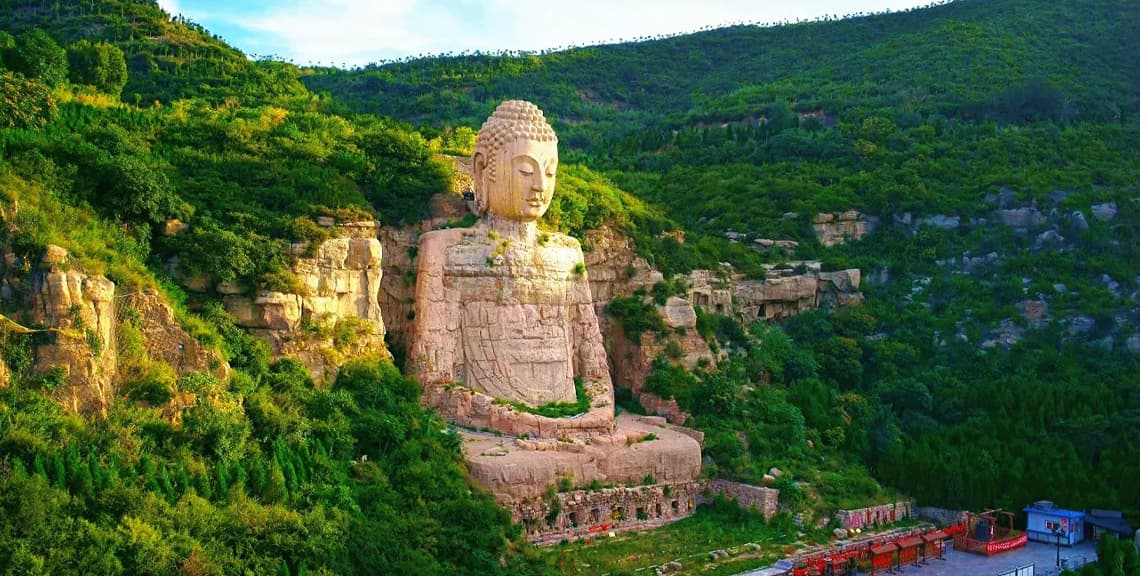
Religious Site
Mengshan Giant Buddha
Taiyuan
Located in Mengshan Scenic Area in southern Taiyuan, Mengshan Giant Buddha is a huge Northern‑Qi‑dynasty cliff‑carved Buddha statue with a history of more than 1400 years.
2-3 hours
¥50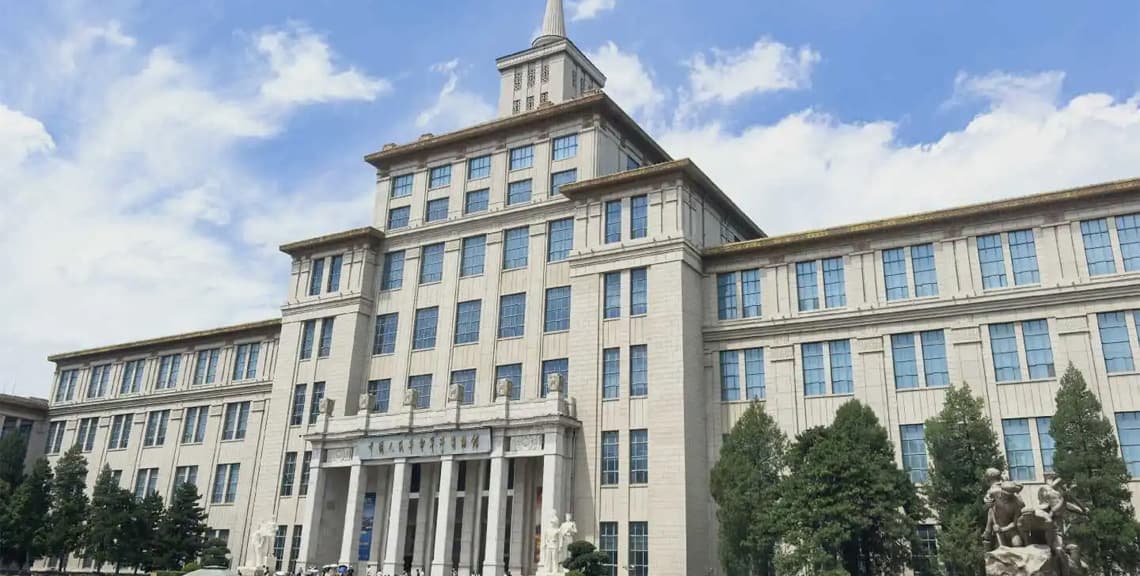
museum
Military Museum of the Chinese People's Revolution
Beijing
The Military Museum of the Chinese People's Revolution is situated at Fuxing Road, Haidian District, Beijing.
2-3 hours
Free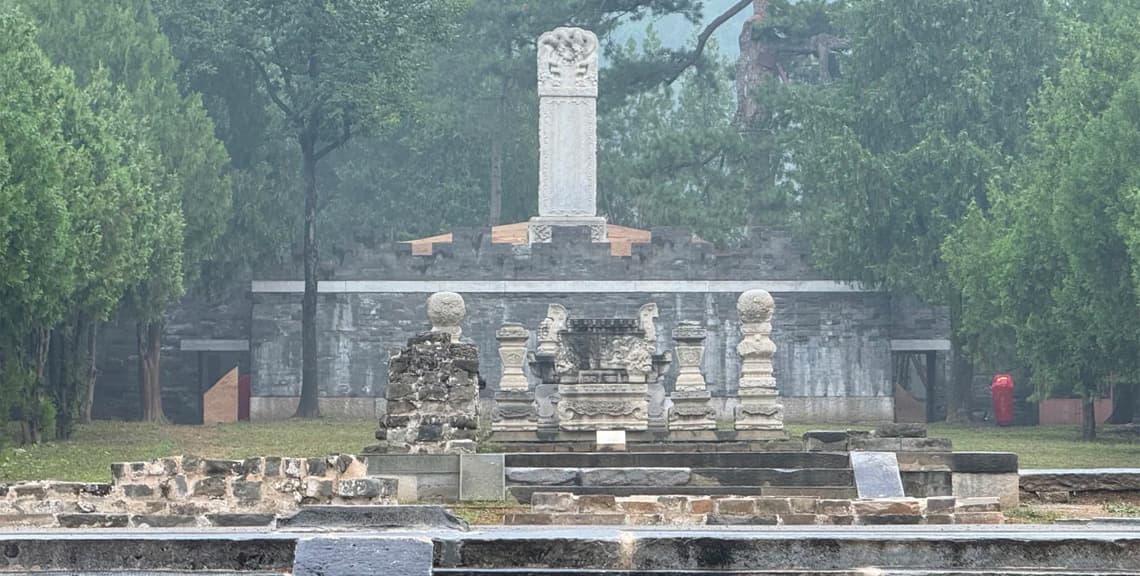
Historical Site
Ming Dynasty Tombs (Shisanling)
Beijing
The Ming Tombs are located at the southern foot of Tianshou Mountain in Changping District, Beijing.
3-4 hours
¥135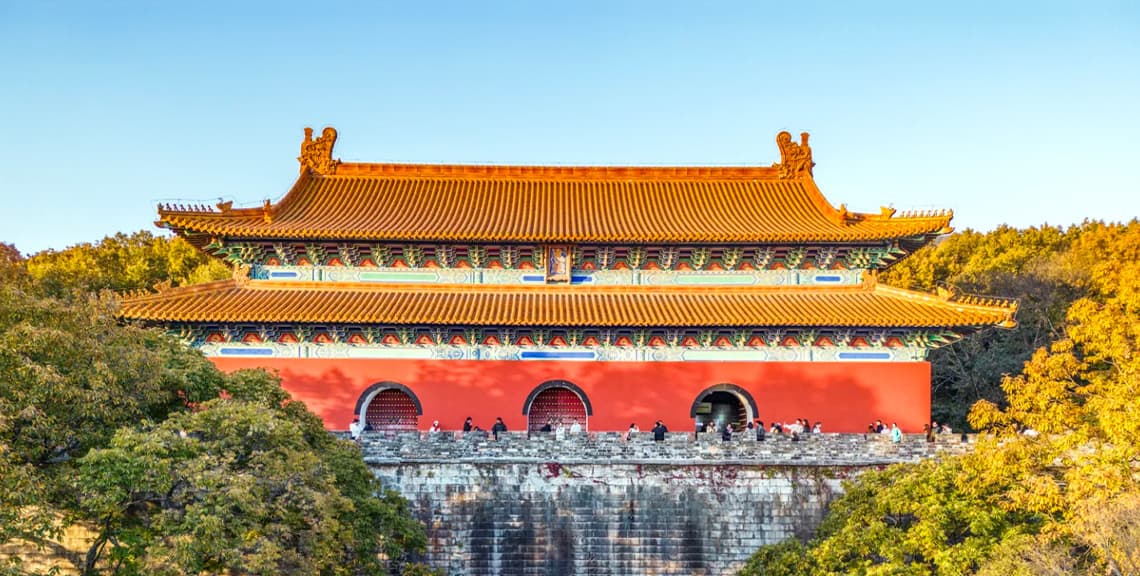
Historical Site
Ming Xiaoling Mausoleum
Nanjing
Ming Xiaoling Mausoleum lies at the southern foot of Purple Mountain, Xuanwu District, Nanjing, Jiangsu Province. It is a UNESCO World Cultural Heritage site and national AAAAA‑level scenic spot, known as “the No.1 imperial mausoleum of Ming and Qing dynasties”.
2-3 hours
¥70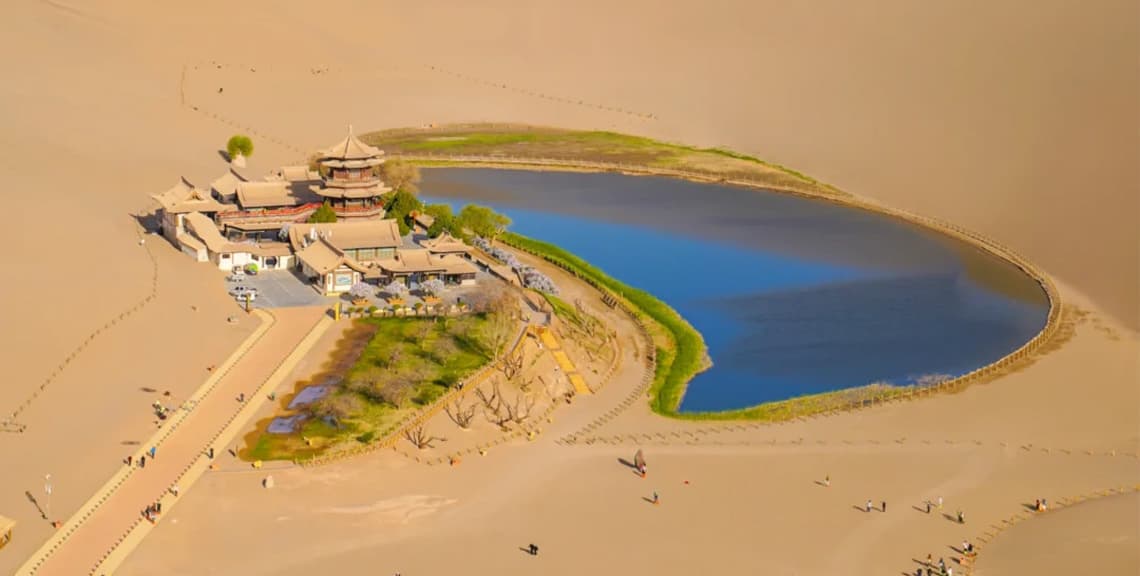
Natural Scenery
Mingsha Mountain & Crescent Moon Spring
Dunhuang
Located 5 kilometers south of Dunhuang City, it is a global geopark famed for the miraculous coexistence of desert dunes and a perennial spring.
3-4 hours
¥110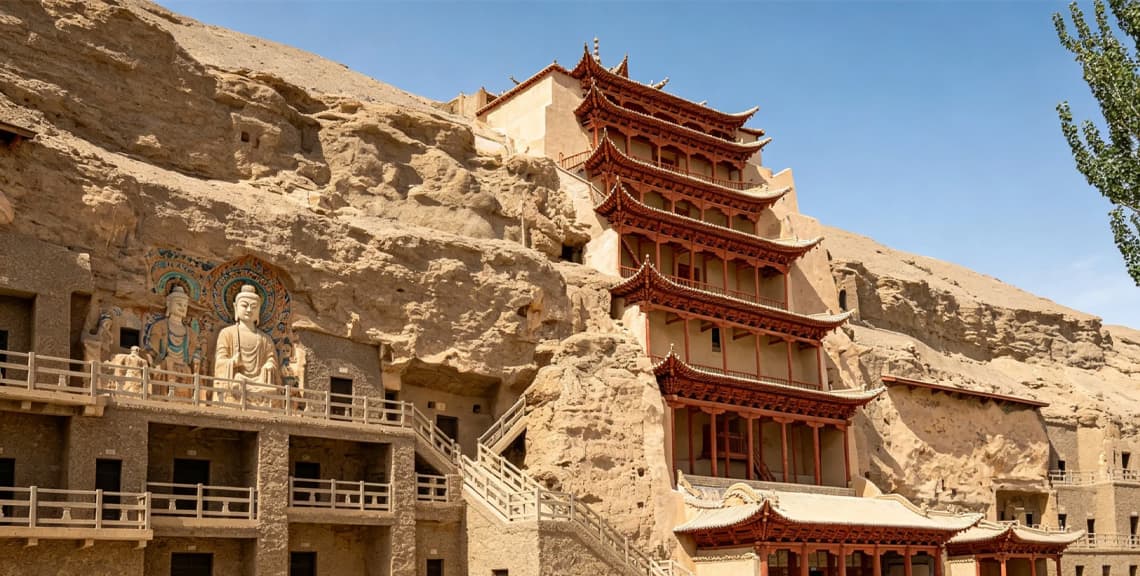
Religious Site
Mogao Grottoes
Dunhuang
Also known as the Thousand-Buddha Caves, the Mogao Grottoes sit on the eastern cliff of Mingsha Mountain, 25 kilometers southeast of Dunhuang City, Gansu Province.
3-4 hours
¥238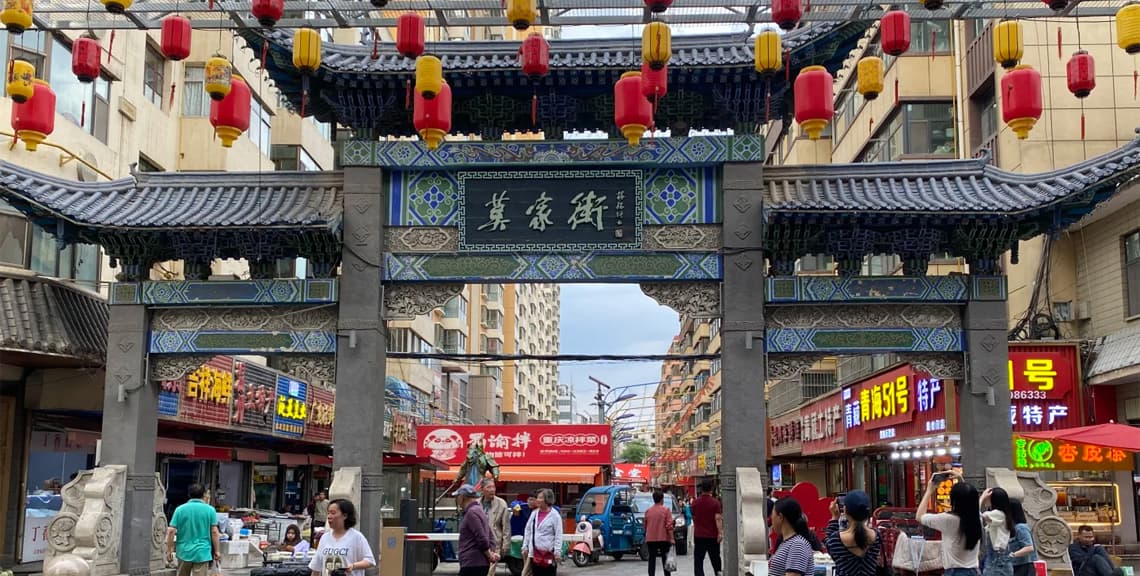
Cultural Site
Mojia Street
Xining
A 600-year-old historic pedestrian street and iconic food market in downtown Xining for local Qinghai snacks and ethnic specialties.
1-2 hours
Free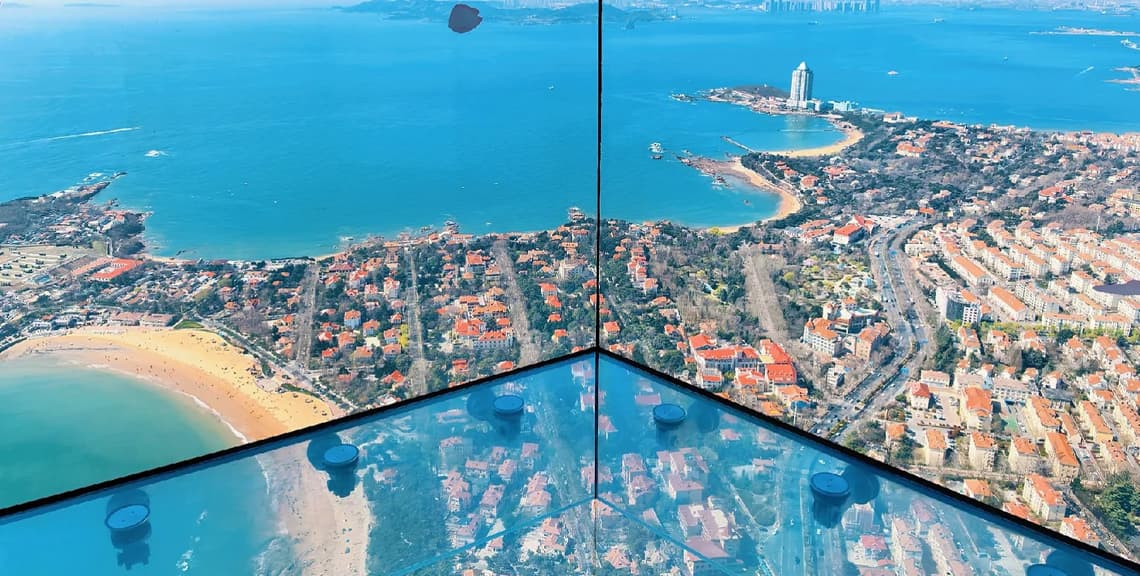
Entertainment
Moon Over Sea & Sky (Qingdao Cloud Haitian View & Art)
Qingdao
Moon Over Sea & Sky, officially named Tsingtao Haitian View & Art, sits on No.48 West Hongkong Road, Shinan District, Qingdao, inside the 369-meter-high Haitian Center Tower 2, the tallest building in Shandong Province.
1 hour
¥180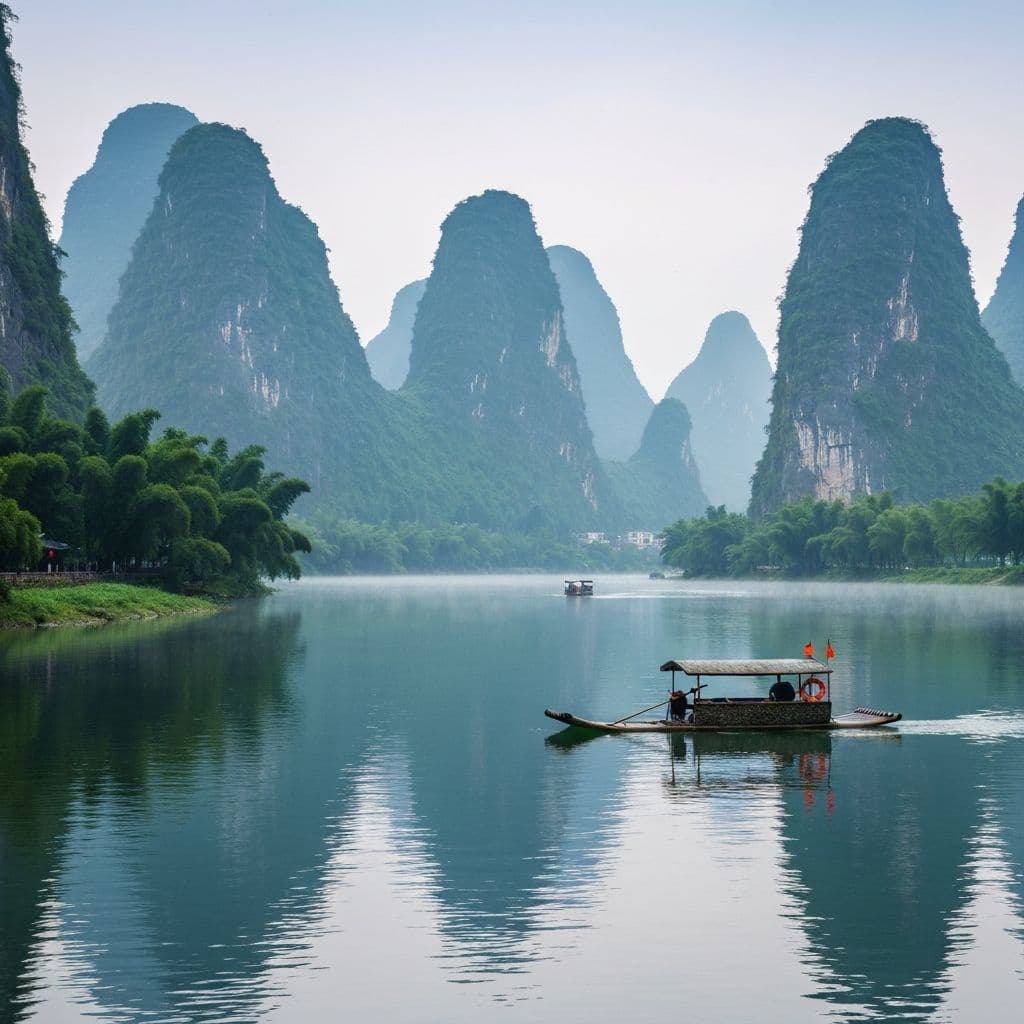
Natural Scenery
Moshi Park (Black Stone Park) Scenic Area
Garze
Located in Bamei Town, Dawu County of Garzê Prefecture, Moshi Park features China’s unique plateau mylonite stone‑forest landscape, nicknamed “Alien Planet on Earth”.
2-3 hours
¥60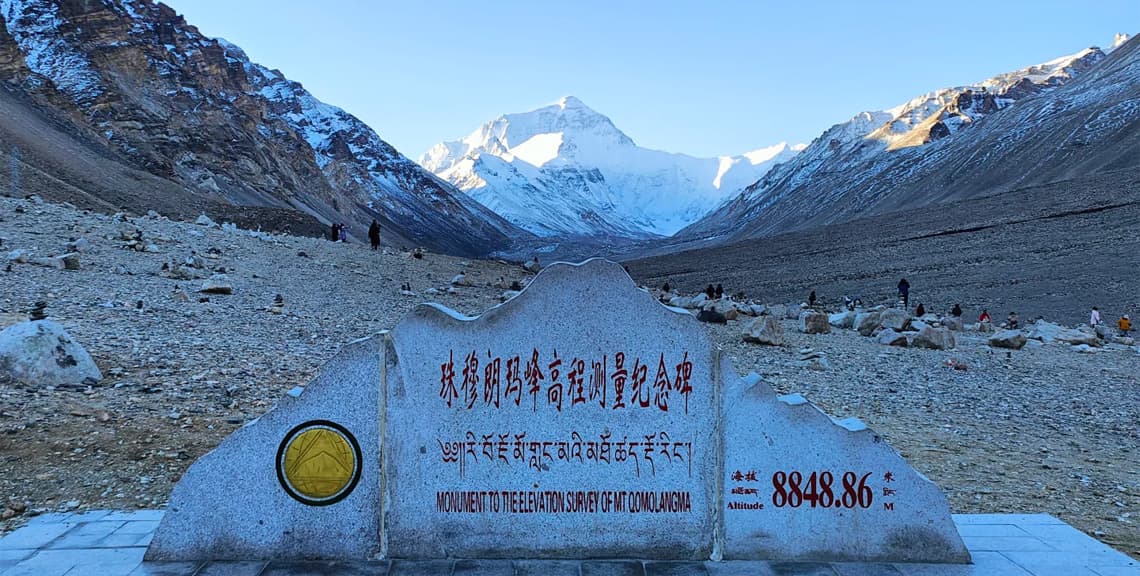
Natural Scenery
Mount Everest Base Camp
Shigatse
Mount Everest Base Camp is the closest official viewing site for ordinary tourists to appreciate the world’s highest peak, Mount Qomolangma (8848.86 meters above sea level).
3-4 hours
¥160