Explore Amazing Attractions
Discover iconic landmarks, natural wonders, and cultural treasures across China
518 attractions

Historical Site
Chengkancun
Huangshan
Chengkancun lies in Chengkan Town, Huizhou District, Huangshan City, Anhui Province. It belongs to the national AAAAA-level Ancient Huizhou Cultural Tourism Zone and is reputed as “No.1 Village South of the Yangtze River” by Zhu Xi. With a history of over 1,800 years, the village is famous as China’s premier Bagua Fengshui Village, laid out strictly following the I Ching theory.
3-4 hours
¥107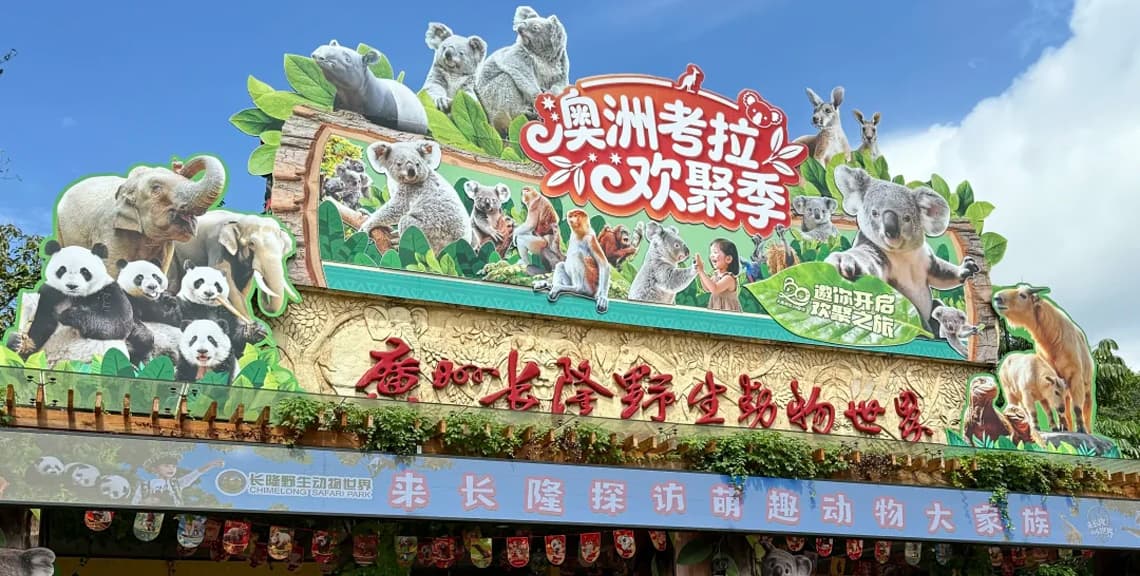
park
Chimelong Safari Park
Guangzhou
A top large‑scale wild animal theme park in Guangzhou, featuring free‑range wildlife habitats and self‑driving safari zones.
5-8 hours
¥350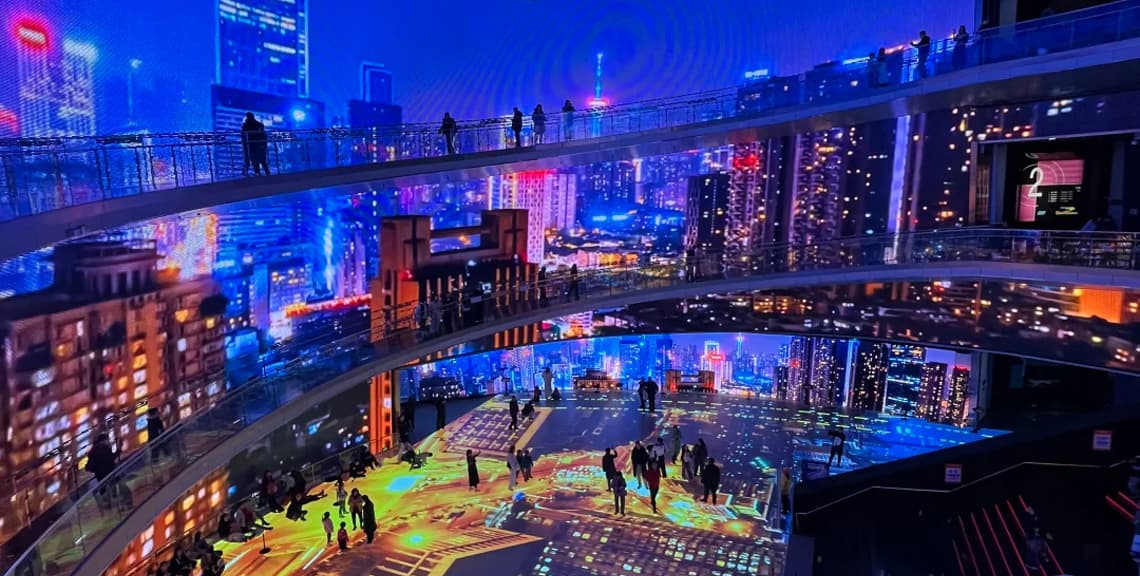
museum
China Science and Technology Museum
Beijing
China Science and Technology Museum is situated beside the Olympic Park in Chaoyang District, Beijing.
3-4 hours
¥30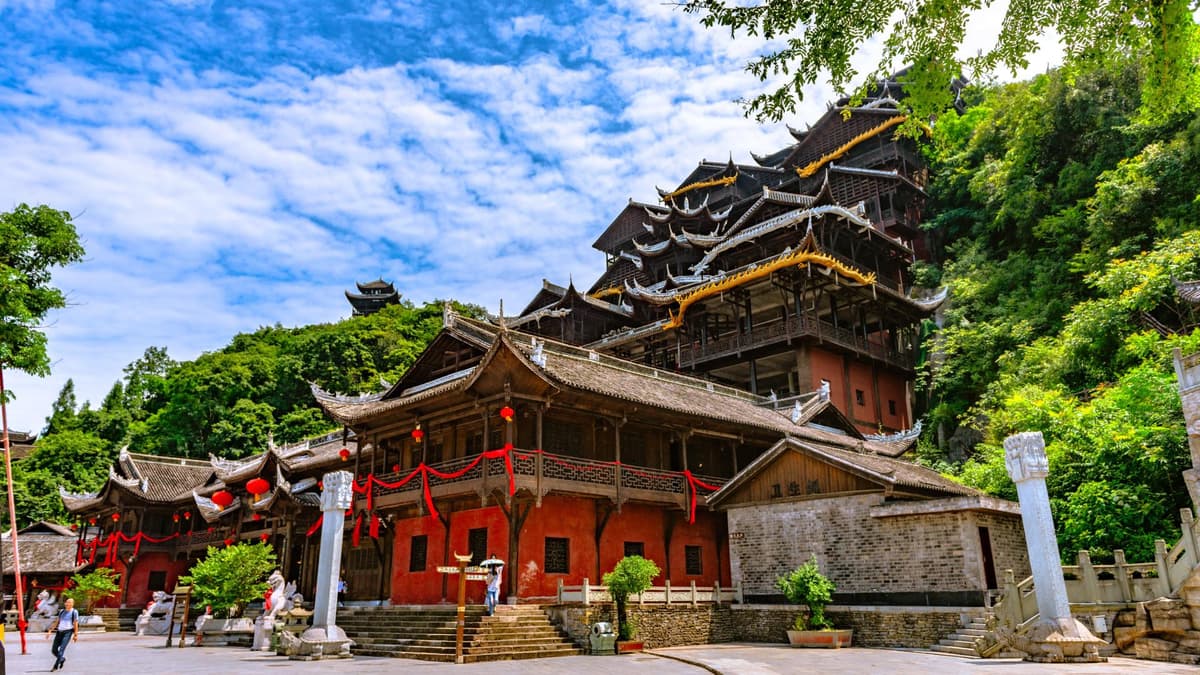
Cultural Site
Chiyou Jiuli City
Chongqing
The world’s largest complex of traditional Miao stilt buildings, a sacred cultural site for worshiping Chiyou, the ancestral god of the Miao ethnic group.
3-4 hours
¥90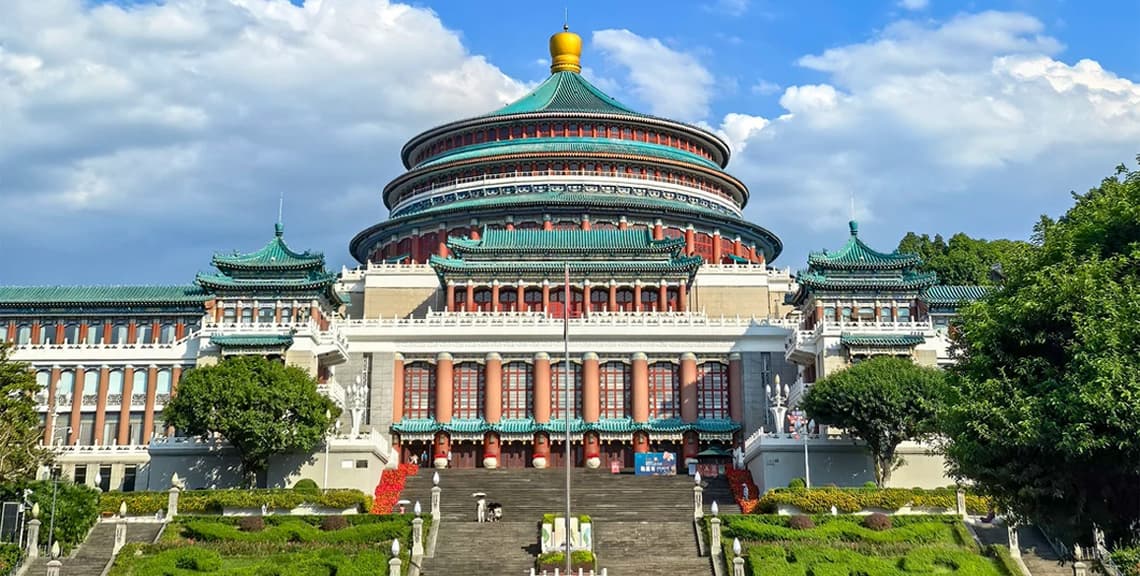
Historical Site
Chongqing People's Auditorium
Chongqing
A landmark classical Chinese building of Chongqing combining traditional palace architecture and national cultural exhibition halls.
1 hour
¥8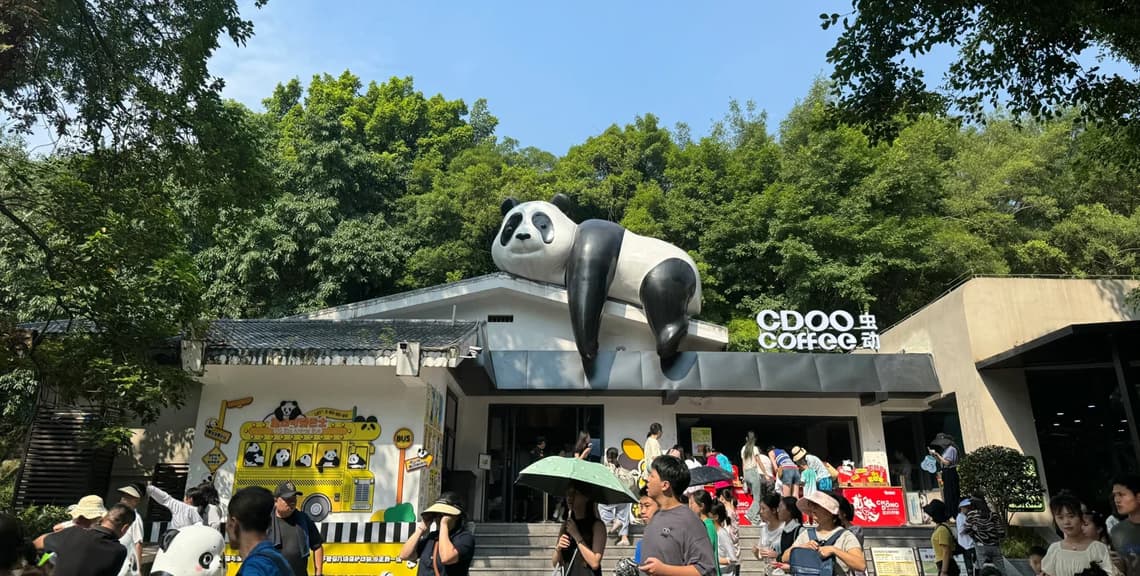
park
Chongqing Zoo
Chongqing
A national 4A hillside urban zoo famous for its large giant panda population, integrating wildlife viewing, popular science and eco leisure.
3-4 hours
¥25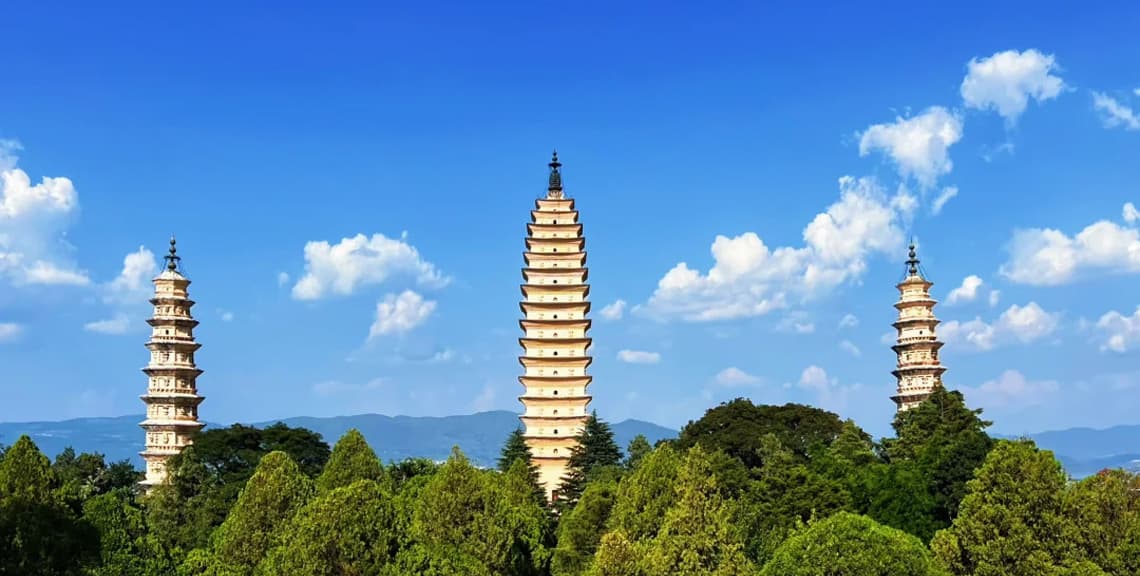
Religious Site
Chongsheng Temple Three Pagodas Cultural Tourist Area
Dali
Backed by Yingle Peak of Cangshan Mountain and facing Erhai Lake to the east, it is the landmark symbol of the ancient city.
3-4 hours
¥75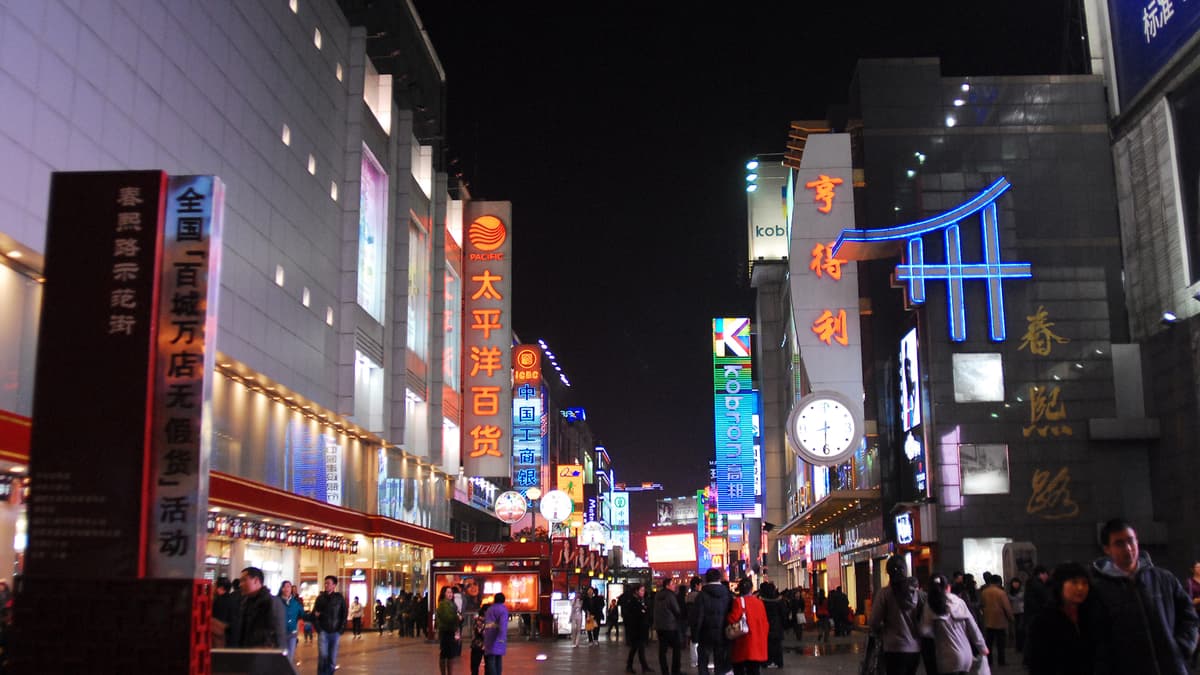
Entertainment
Chunxi Road
Chengdu
Chengdu’s iconic bustling commercial pedestrian street combining shopping, trendy snacks and landmark city check-in spots.
2-3 hours
Free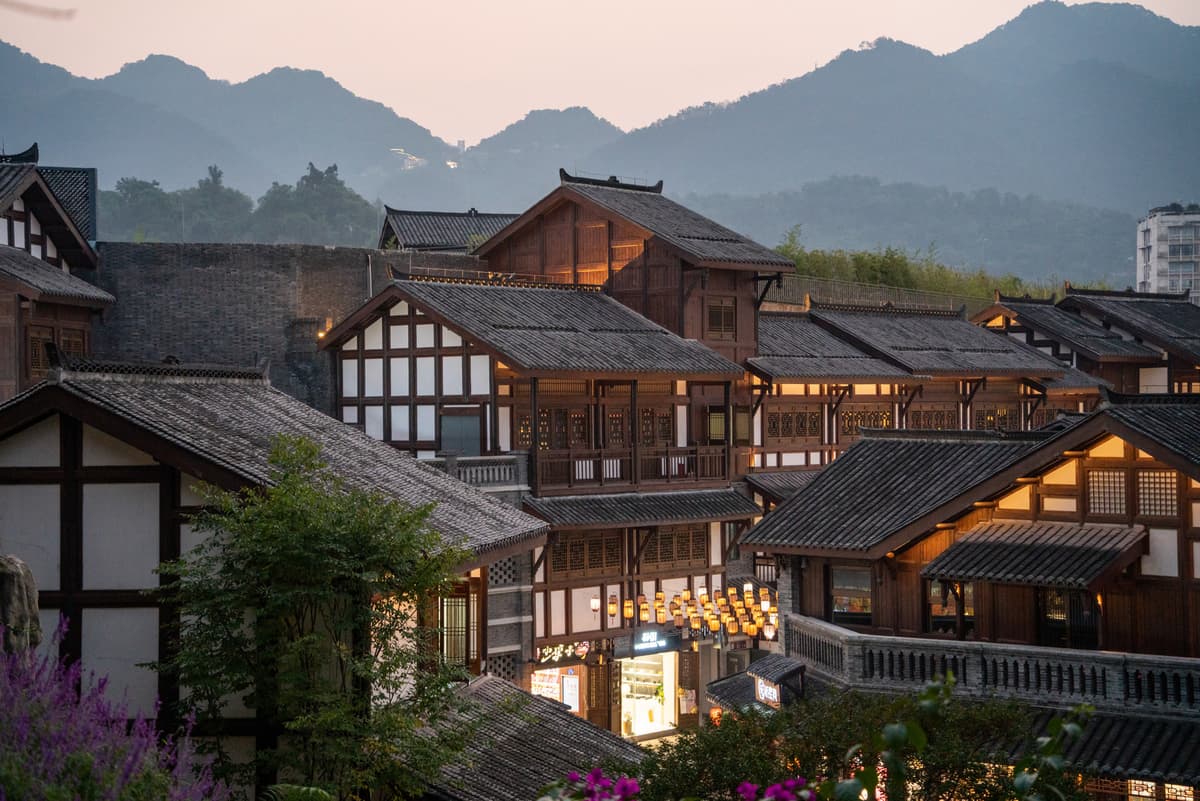
Historical Site
Ciqikou Ancient Town
Chongqing
A well-preserved ancient riverside town of Chongqing with thousand-year Bayu folk customs, traditional snack streets and time-honored handicraft workshops.
2-3 hours
Free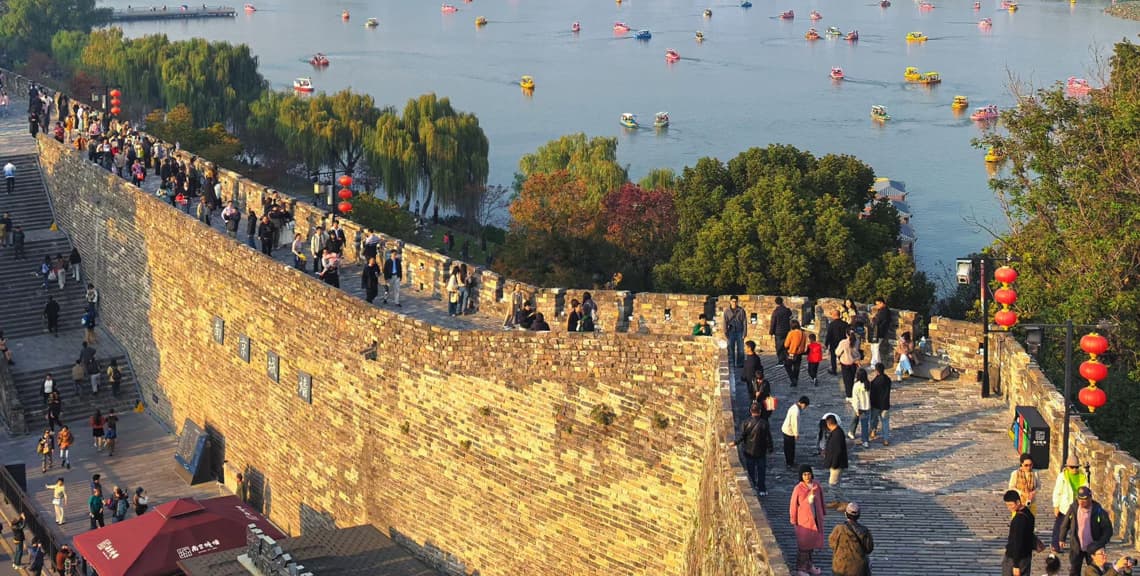
Historical Site
City Wall of Nanjing(Ming City Wall)
Nanjing
City Wall of Nanjing(Ming City Wall) spreads across multiple districts of Nanjing, Jiangsu Province. It is a national AAAAA‑related heritage site, national key cultural relic protection unit and inscribed on the tentative list of UNESCO World Cultural Heritage.
1-2 hours
¥30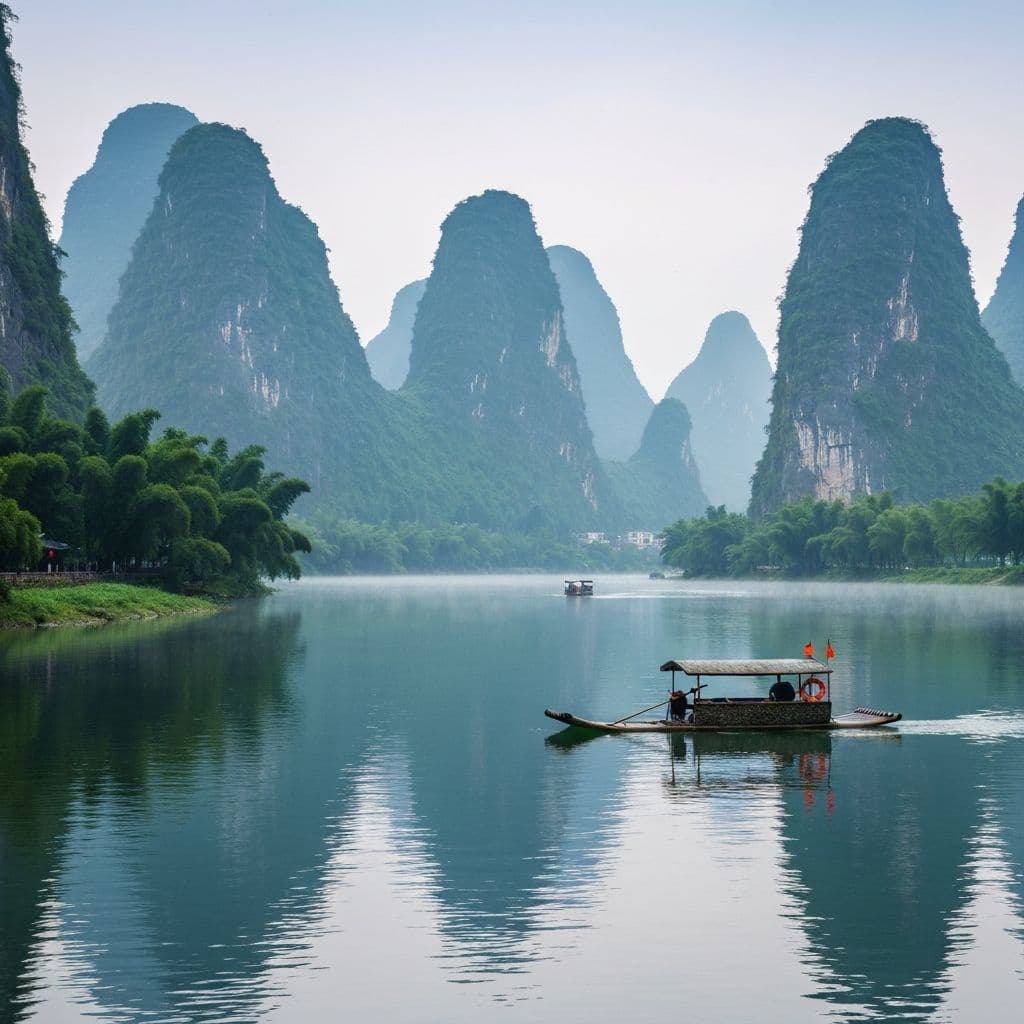
Natural Scenery
Cuopu Gou (Cuopu Valley) Scenic Area
Garze
Nestled in Batang County along National Highway G318, Cuopu Gou is a hidden alpine valley integrating snow‑capped sacred mountains, turquoise Cuopu Lake, hot‑spring groups, Zhangde Grassland and ancient Cuopu Monastery.
3-4 hours
¥100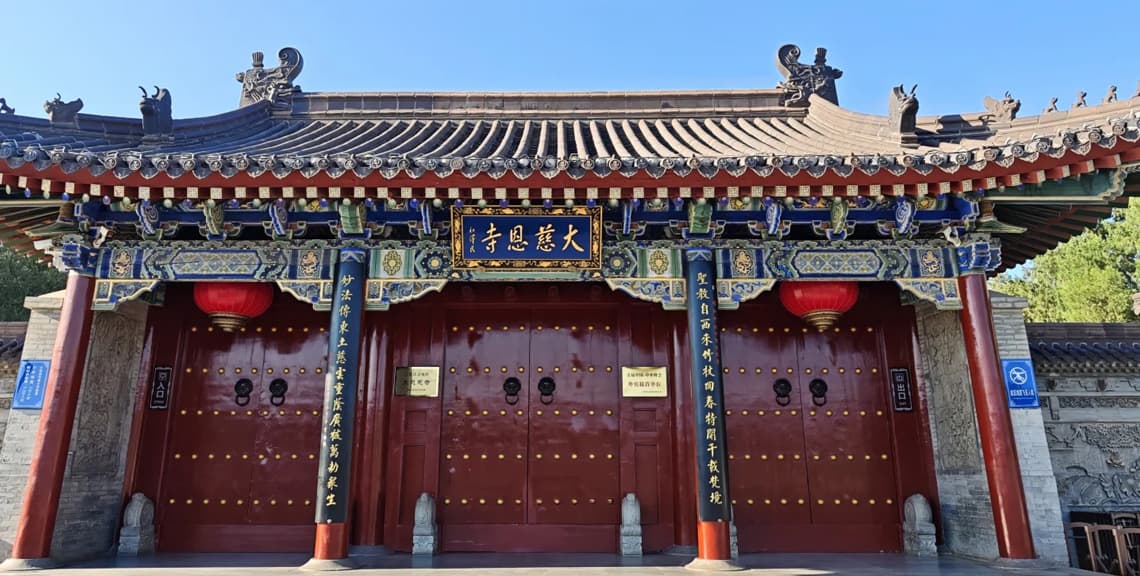
Historical Site
Daci'en Temple
Xian
A famous royal Buddhist temple of the Tang Dynasty, home to the Giant Wild Goose Pagoda built by Master Xuanzang.
2-3 hours
¥10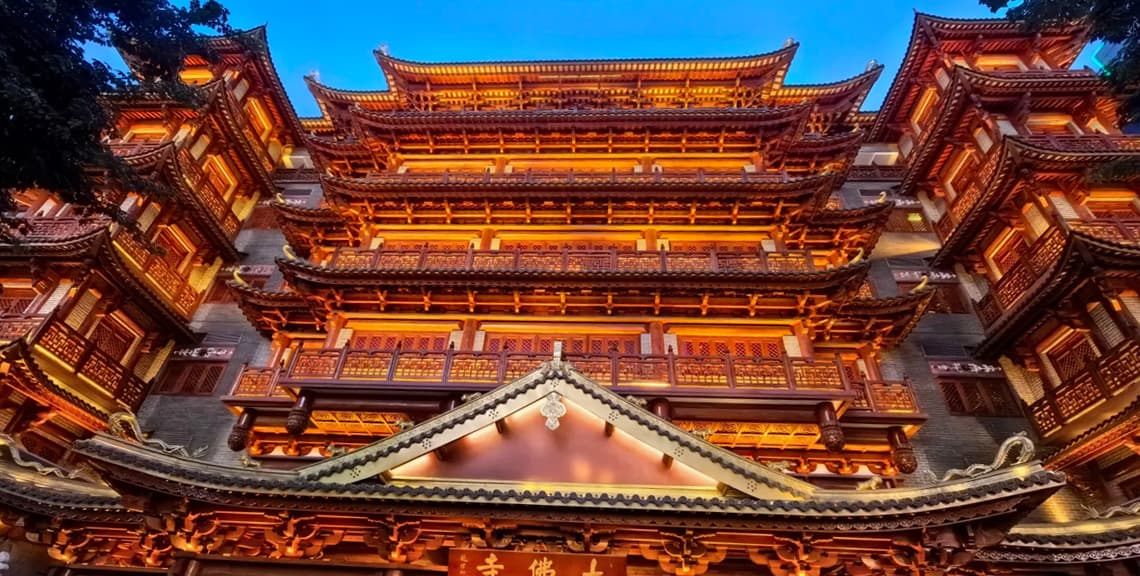
Historical Site
Dafo Temple
Guangzhou
A thousand-year-old Buddhist temple hidden beside Beijing Road Pedestrian Street with stunning night lighting, free admission.
1-2 hours
Free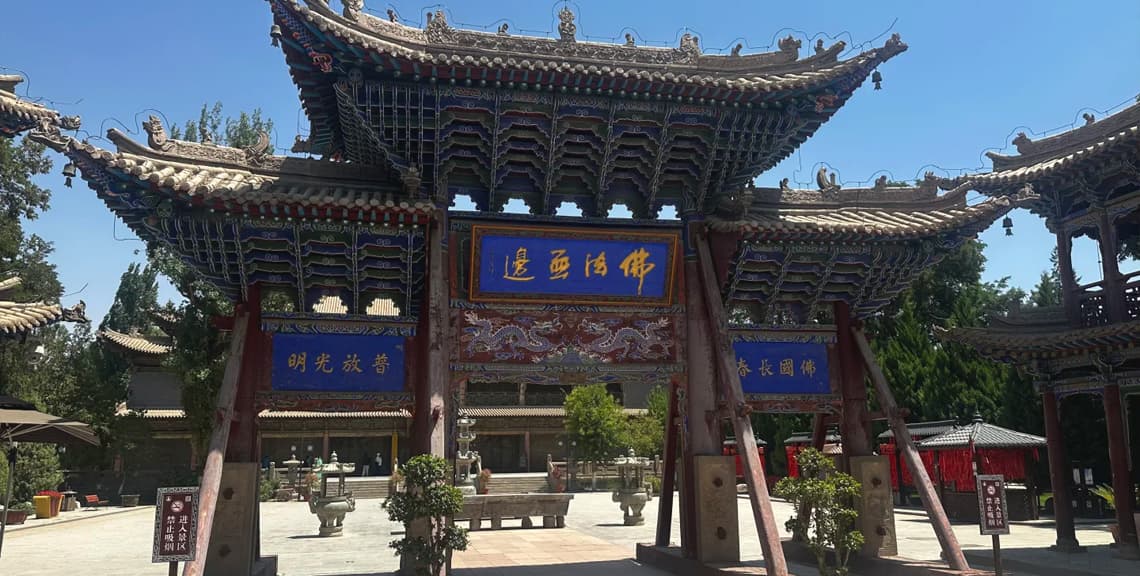
Religious Site
Dafo Temple, Zhangye
Zhangye
A well-preserved Western Xia royal temple housing Asia’s largest indoor wooden-frame clay reclining Buddha, a landmark of the Hexi Corridor.
2-3 hours
¥40
Natural Scenery
Dagu Glacier
Aba
Dagu Glacier is a national geopark featuring rare low‑altitude modern glaciers. It ranges from 2300 m at the gate up to 4860 m at the summit viewing platform.
3-4 hours
¥190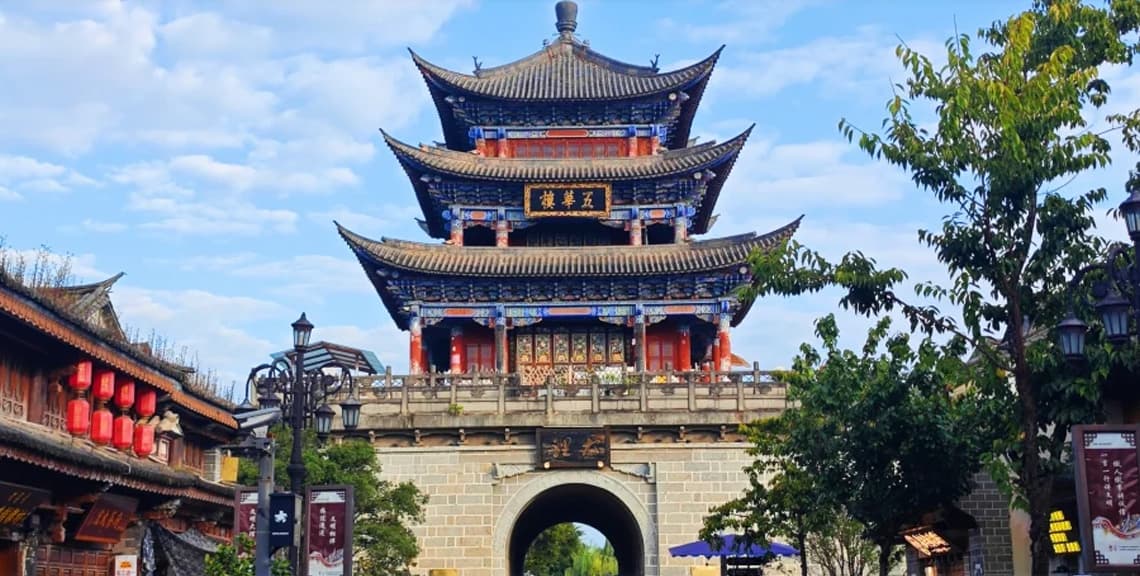
Historical Site
Dali Ancient City
Dali
Nestled at the foot of Cangshan Mountain in the west and facing Erhai Lake in the east, it was the capital of the Nanzhao Kingdom and Dali Kingdom in ancient times.
3-4 hours
Free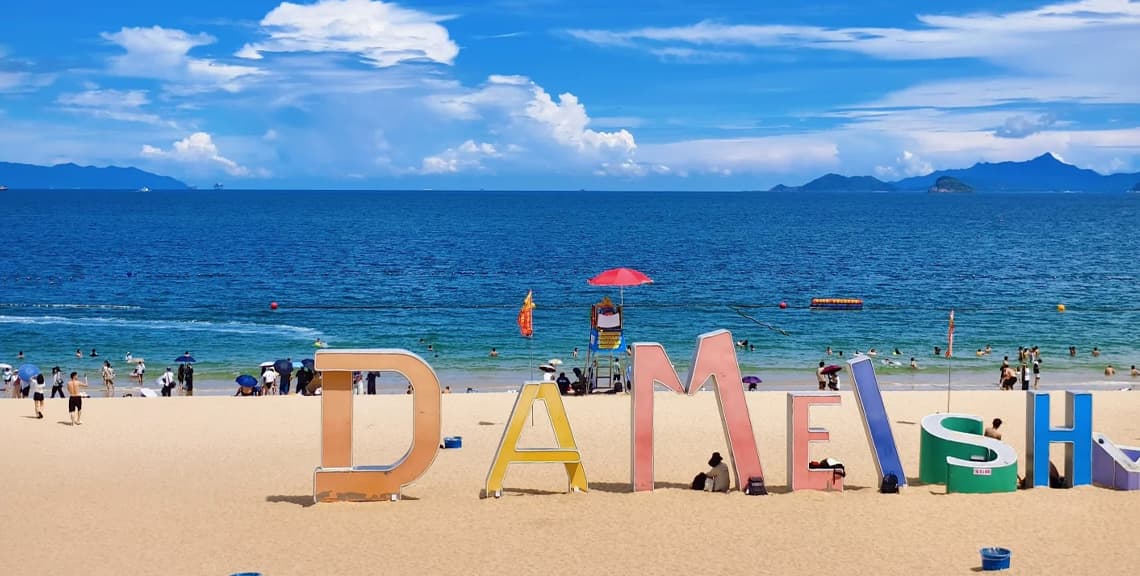
park
Dameisha Seaside Park
Shenzhen
A free public coastal park with wide golden sand beach and clear seawater in Shenzhen Yantian District.
5-8 hours
Free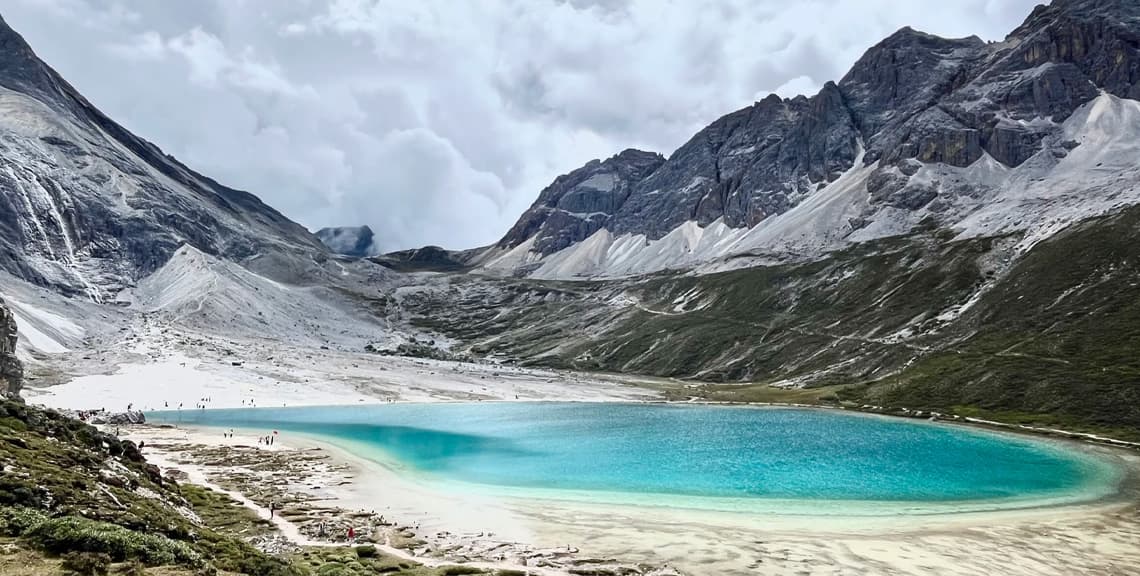
Natural Scenery
Daocheng Yading Scenic Spot
Garze
Garzê Tibetan Autonomous Prefecture, Daocheng Yading is a national 5A‑level scenic area reputed as “the last pure land on the blue planet”.
2-3 hours
¥146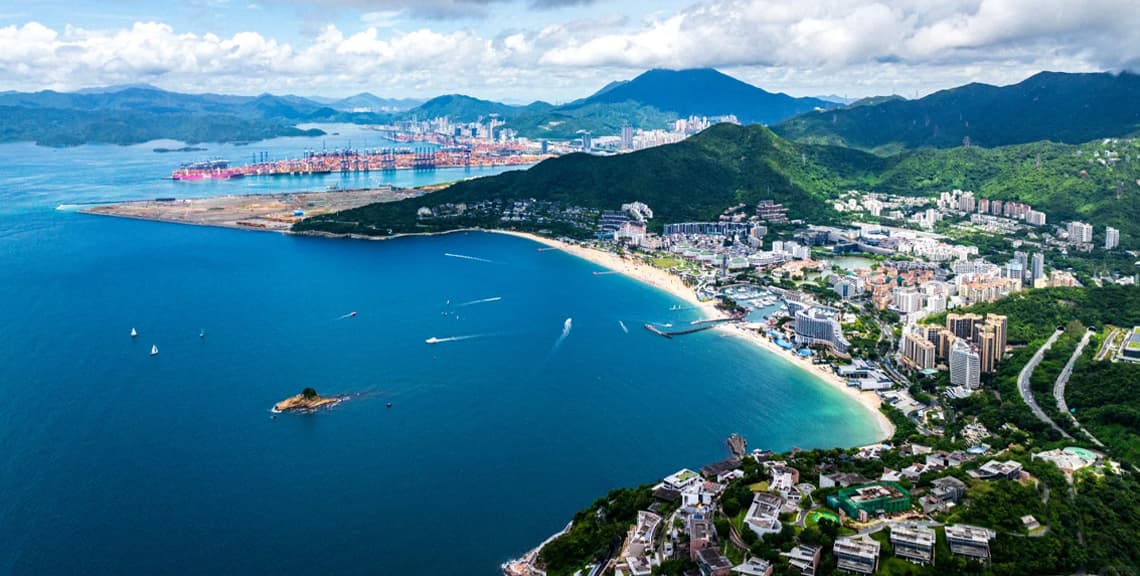
Natural Scenery
Dapeng Peninsula
Shenzhen
A pristine coastal peninsula in eastern Shenzhen with numerous quiet beaches, ancient Hakka villages and mountain hiking trails.
5-8 hours
Free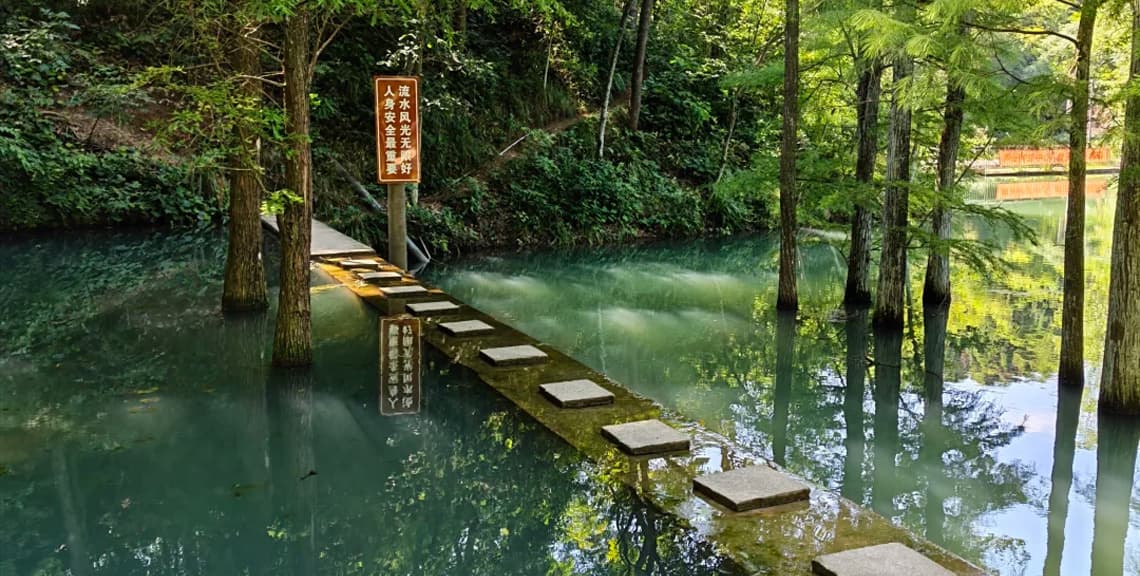
park
Dashanchong Forest Park
Changsha
Dashanchong Forest Park is situated in Lukou Town, Changsha County, Changsha City, widely hailed as the "Little Jiuzhaigou of Changsha".
3-4 hours
Free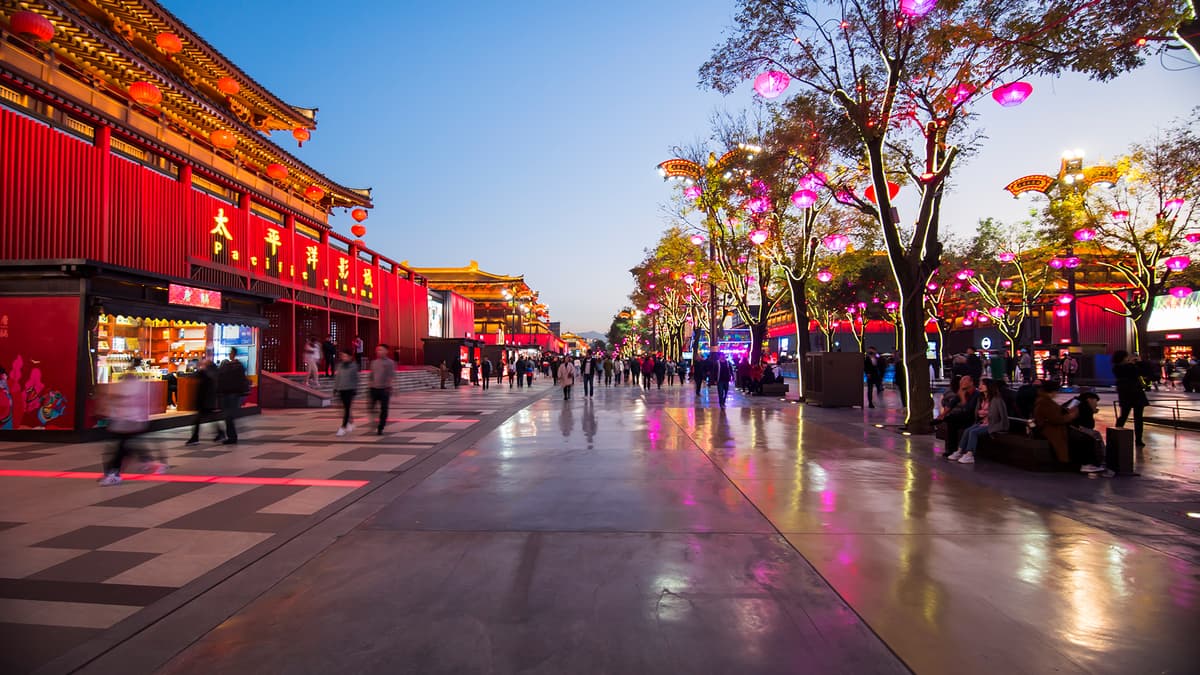
Entertainment
Datang Everbright City
Xian
A pedestrian commercial street themed on prosperous Tang Dynasty culture, famous for gorgeous Tang-style night scenery and immersive ancient street performances.
3-4 hours
Free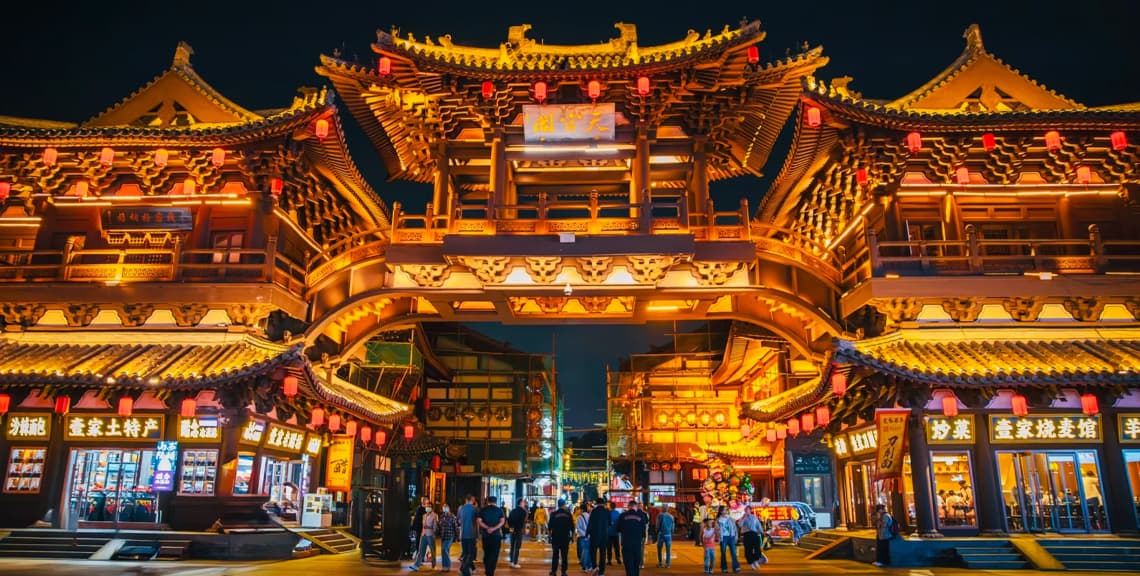
Historical Site
Datong Ancient City
Datong
Situated in downtown Datong, Datong Ancient City is a well‑restored ancient city wall complex dating back to Ming Dynasty.
3-4 hours
¥45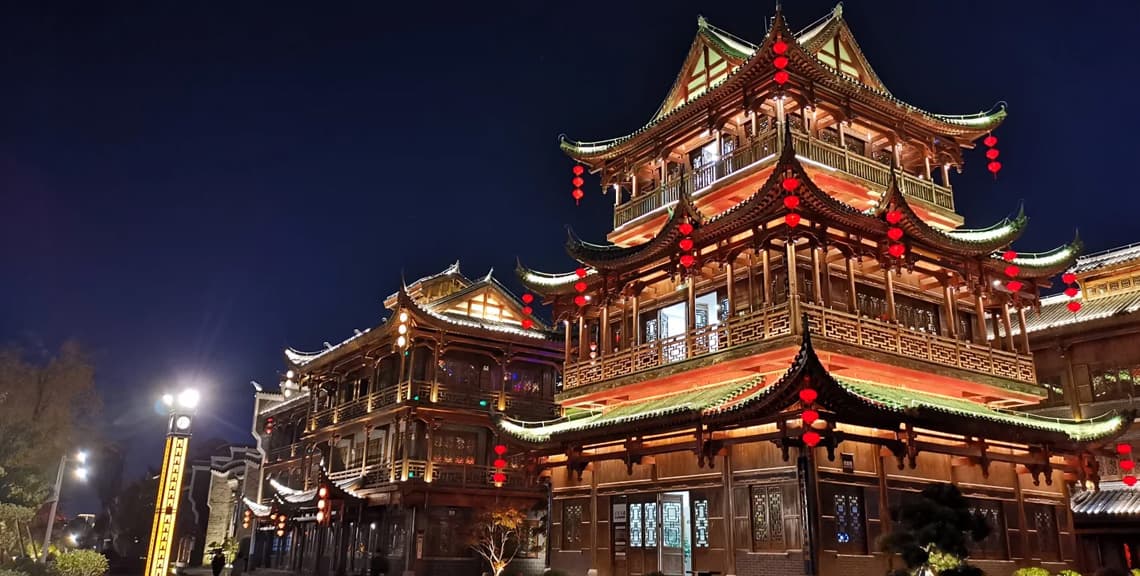
Cultural Site
Dayong Town
Zhangjiajie
A free open ancient city along the Lishui River blending Ming-style Tujia stilt houses, intangible heritage and stunning night lantern scenery.
2-3 hours
Free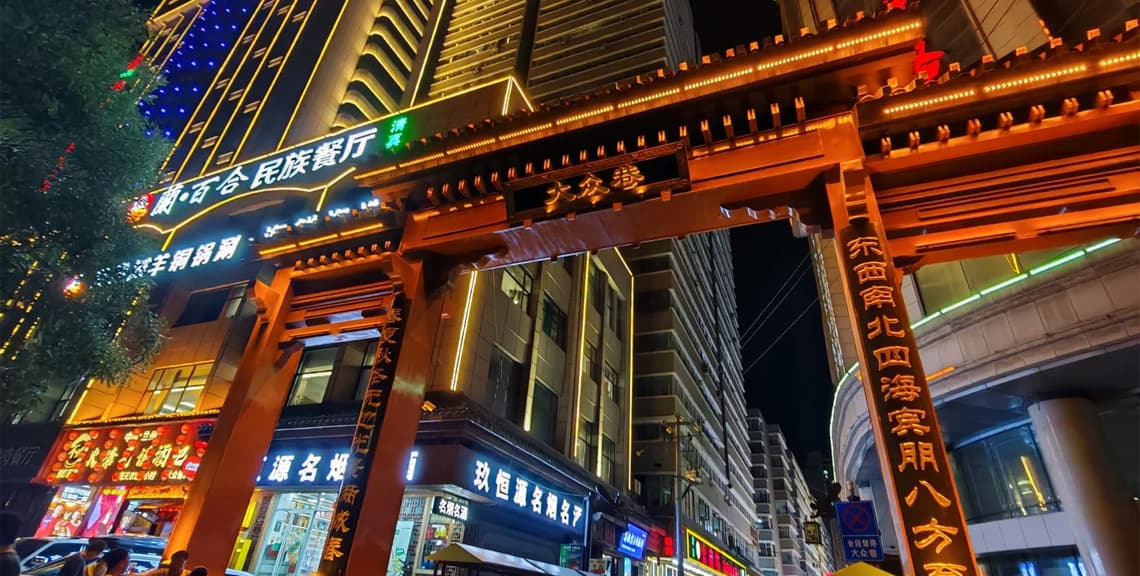
Cultural Site
Dazhong Lane
Lanzhou
A time-honored food alley in downtown Lanzhou packed with local old-brand snacks and authentic northwest flavors.
1-2 hours
Free