Explore Amazing Attractions
Discover iconic landmarks, natural wonders, and cultural treasures across China
518 attractions
Historical Site
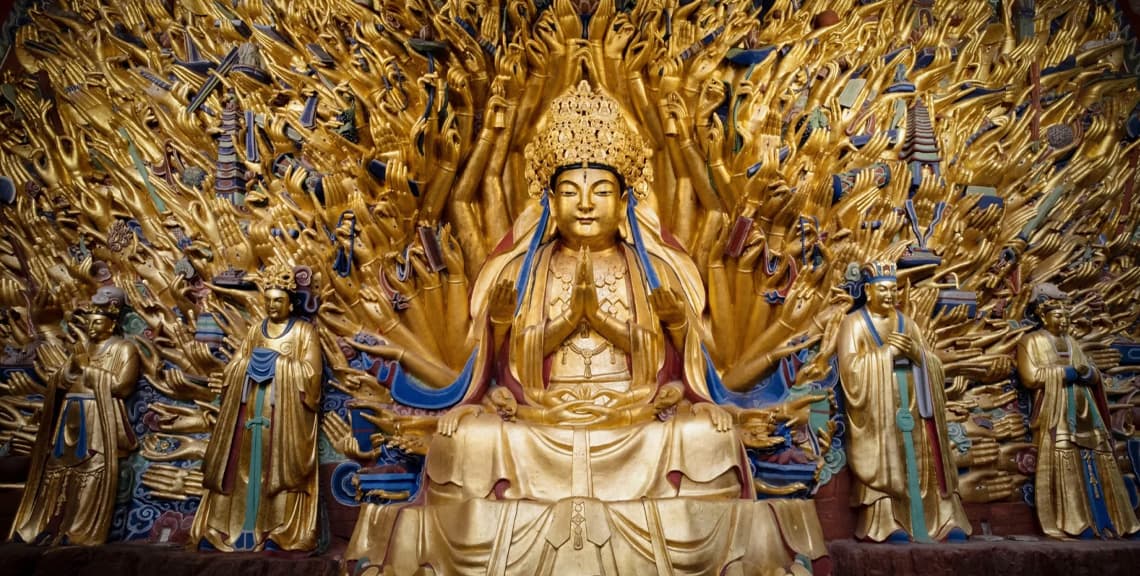
Dazu Rock Carvings
Chongqing
A UNESCO World Cultural Heritage site featuring exquisite Tang and Song cliff Buddhist stone sculptures with profound Buddhist, Taoist and Confucian integrated culture.
3-4 hours
¥110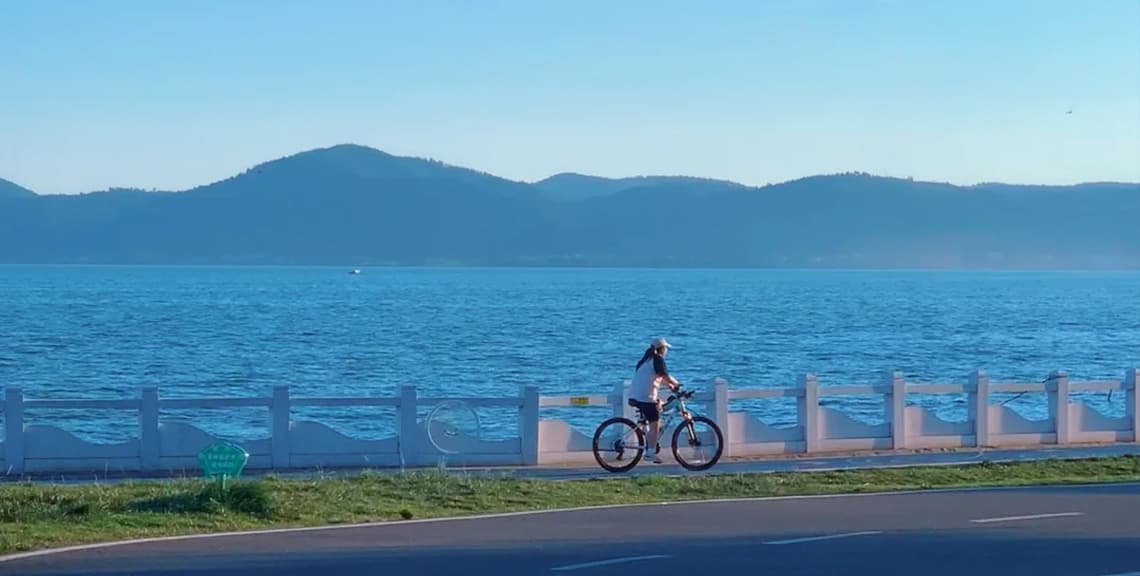
Natural Scenery
Dianchi Lake
Kunming
Yunnan’s largest freshwater plateau lake known as the Pearl of the Plateau, famous for winter red-billed gulls and lakeside wetland scenery.
3-4 hours
Free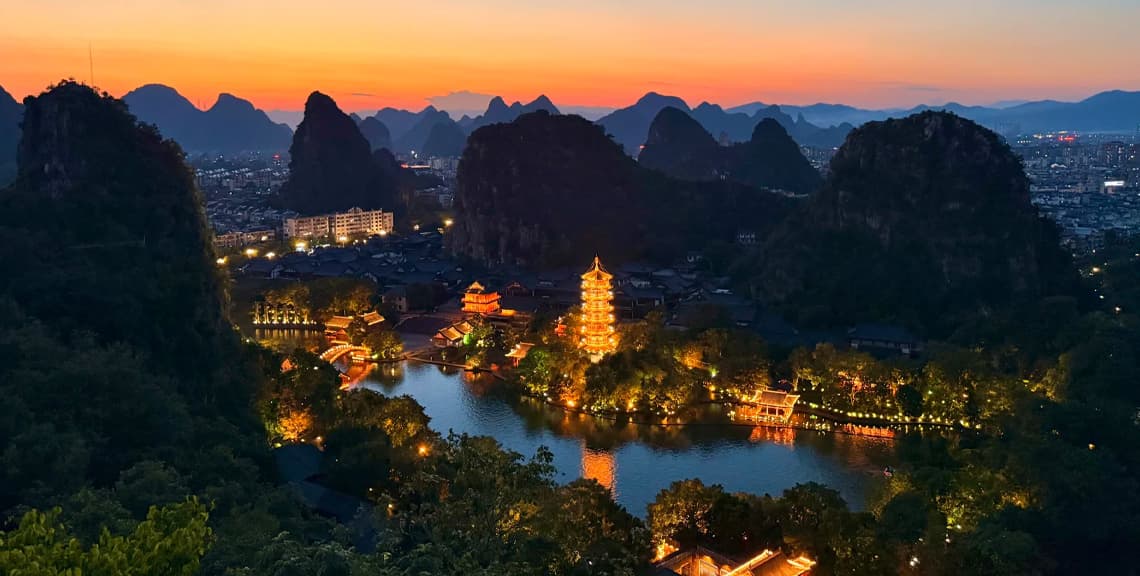
Natural Scenery
Diecai Mountain Scenic Area
Guilin
A layered colorful karst hill in downtown Guilin offering panoramic city and river views with ancient cliff carvings.
1-2 hours
¥24
Historical Site
Dong‑Ao Island
Zhuhai
A 4A‑level scenic island within Zhuhai Wanshan Archipelago, featuring crystal‑clear seawater and fine‑sand Nansha Bay known as “Diamond Beach”.
5-8 hours
Free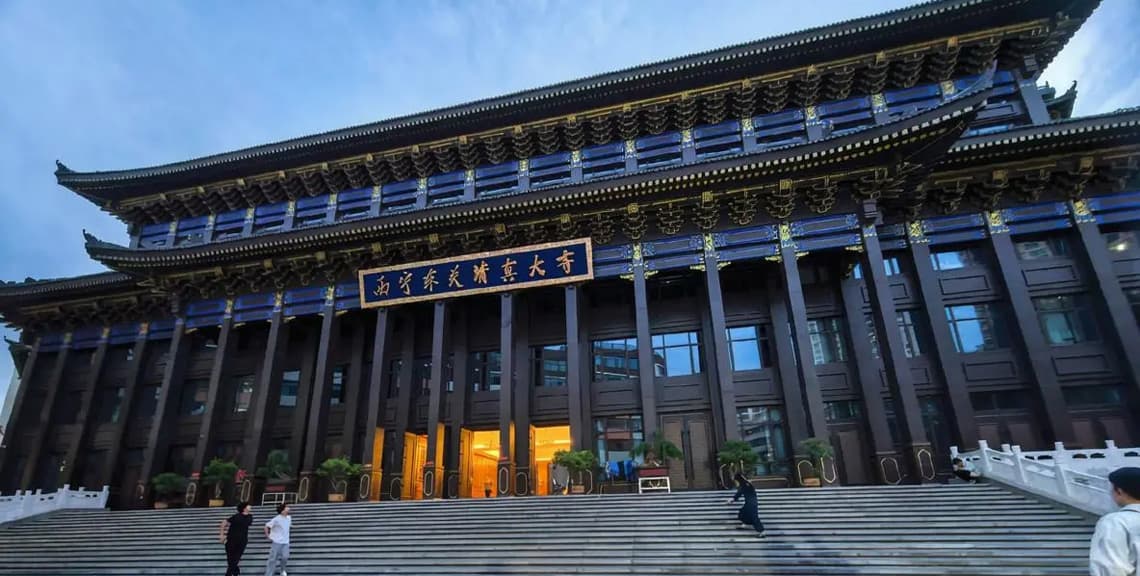
Religious Site
Dongguan Grand Mosque
Xining
Qinghai’s largest ancient mosque blending Han, Tibetan and Islamic architectural styles, a core Muslim worship site in Northwest China.
1-2 hours
Free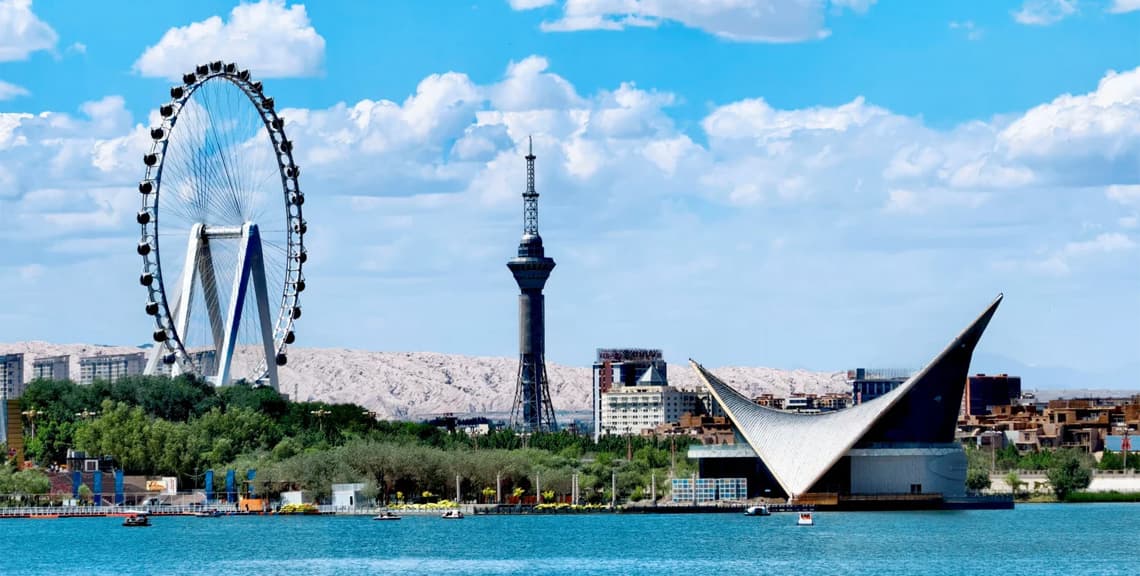
park
DongHu park
Kashgar
A scenic urban lakeside park in central Kashgar offering lake views, waterfront promenades and stunning Ferris‑wheel night scenery.
2-3 hours
Free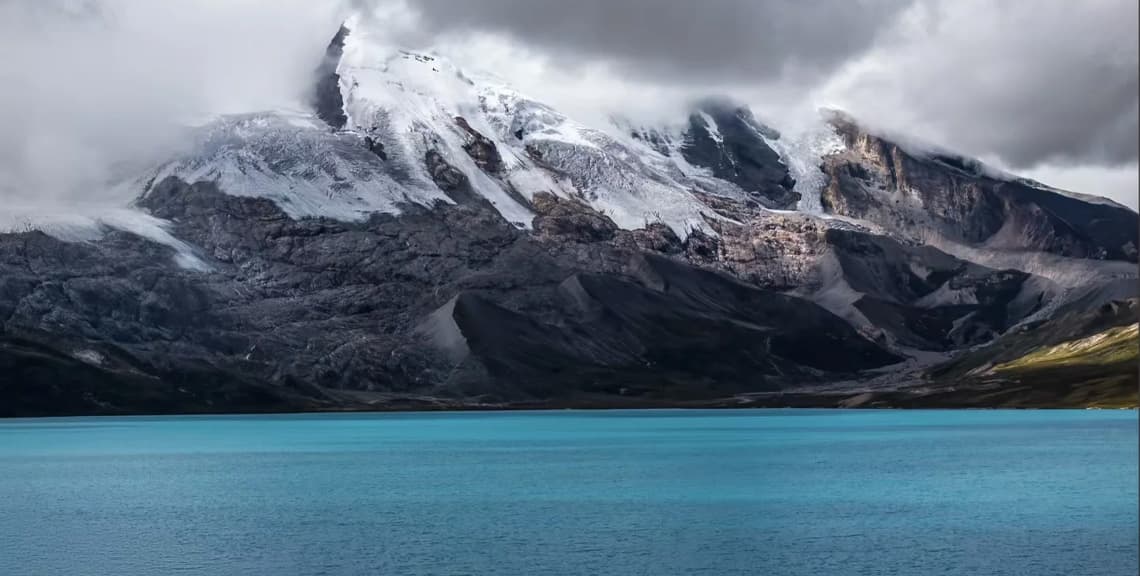
Natural Scenery
Doqing Tso
Shigatse
Also named Duojing Lake or Affection Lake, Doqing Tso lies on the border of Kangmar County and Yadong County in Shigatse, right alongside National Highway G562, serving as the core zone of Doqing Tso National Wetland Park.
2-3 hours
Free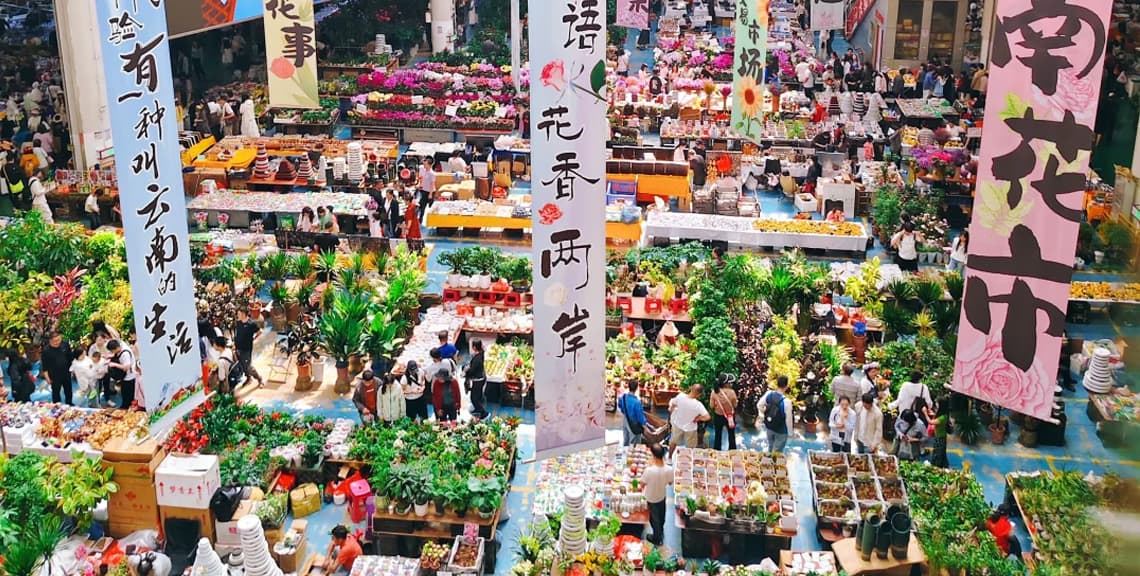
park
Dounan Flowers&Plants Market Scenic
Kunming
Asia’s largest fresh cut flower trading market with free entry, featuring countless flower varieties, retail stalls and bustling night wholesale trading scenes.
2-3 hours
Free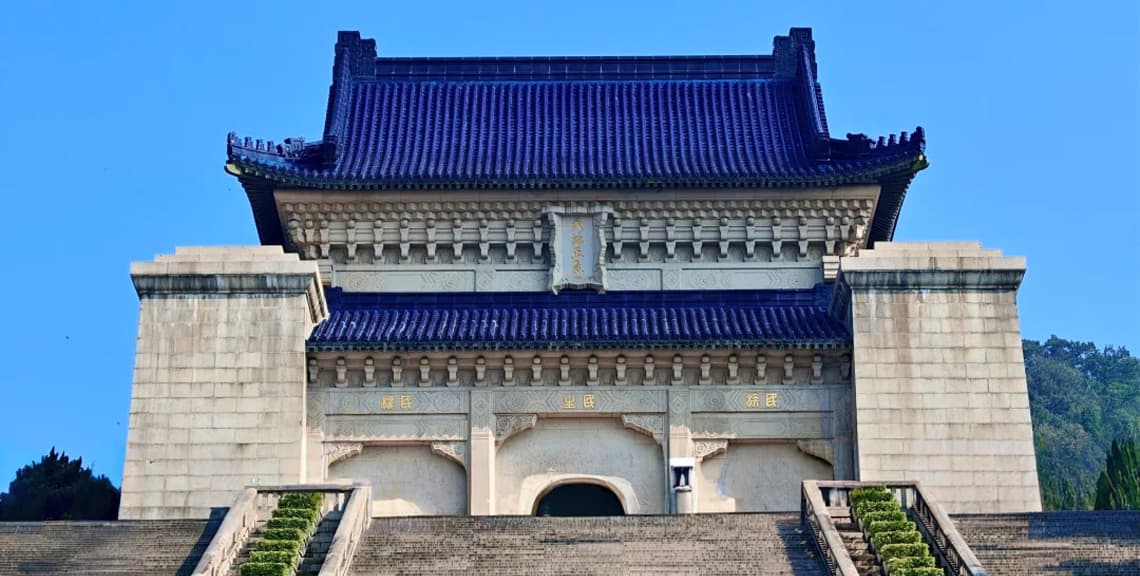
Historical Site
Dr Sun Yat‑sen‘s Mausoleum
Nanjing
Dr Sun Yat‑sen‘s Mausoleum sits on the southern slope of Zhongshan Mountain in Xuanwu District,Nanjing,Jiangsu Province. It is the core landmark inside Zhongshan Mountain Scenic Area,a national key cultural relic protection unit and world‑famous memorial site for Dr.Sun Yat‑sen.
2-3 hours
¥0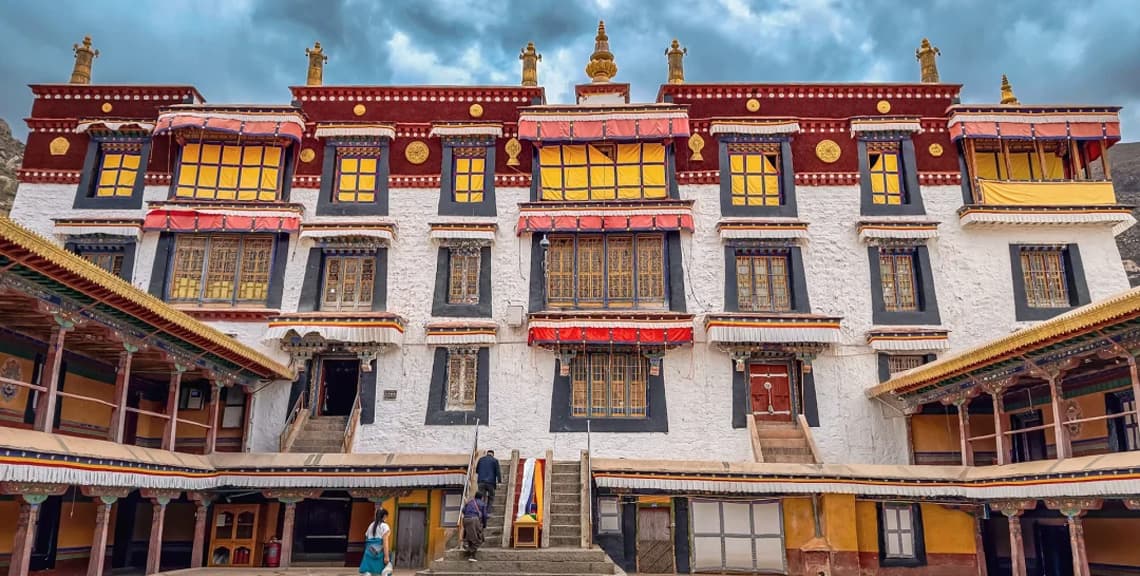
Religious Site
Drepung Monastery
Lhasa
Drepung Monastery, founded in 1416 by Tsongkhapa’s disciple, is the largest Gelug Sect monastery among Lhasa’s Three Great Monasteries, perched on the hillside of Genpei Wuzhi Mountain in western Lhasa.
3-4 hours
¥60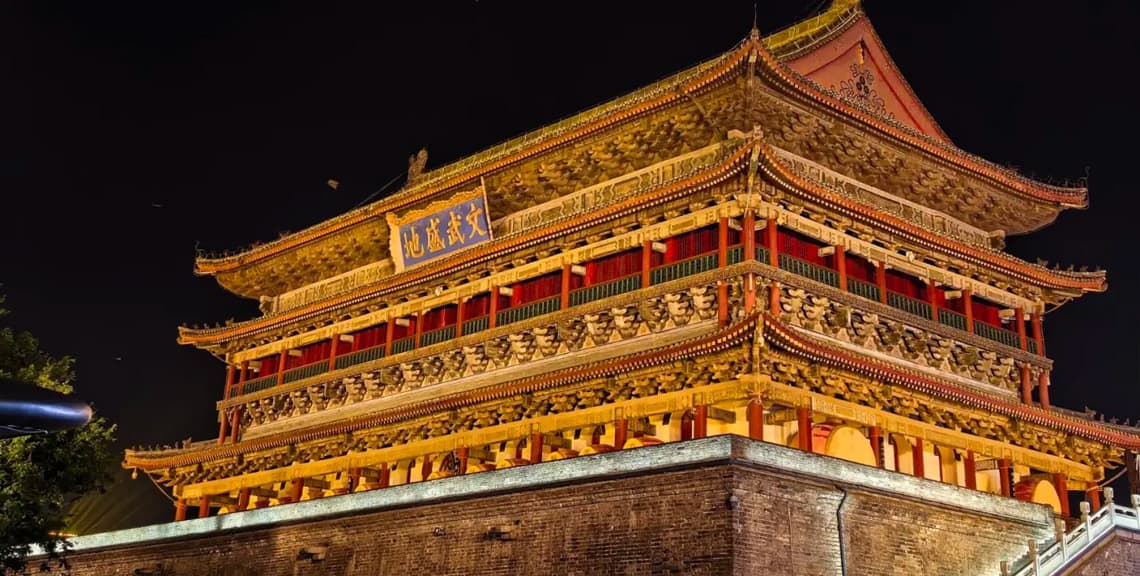
Historical Site
Drum Tower
Xian
A well-preserved Ming-dynasty timekeeping landmark standing at the heart of Xi'an ancient city, facing the Bell Tower across the road.
1-2 hours
¥30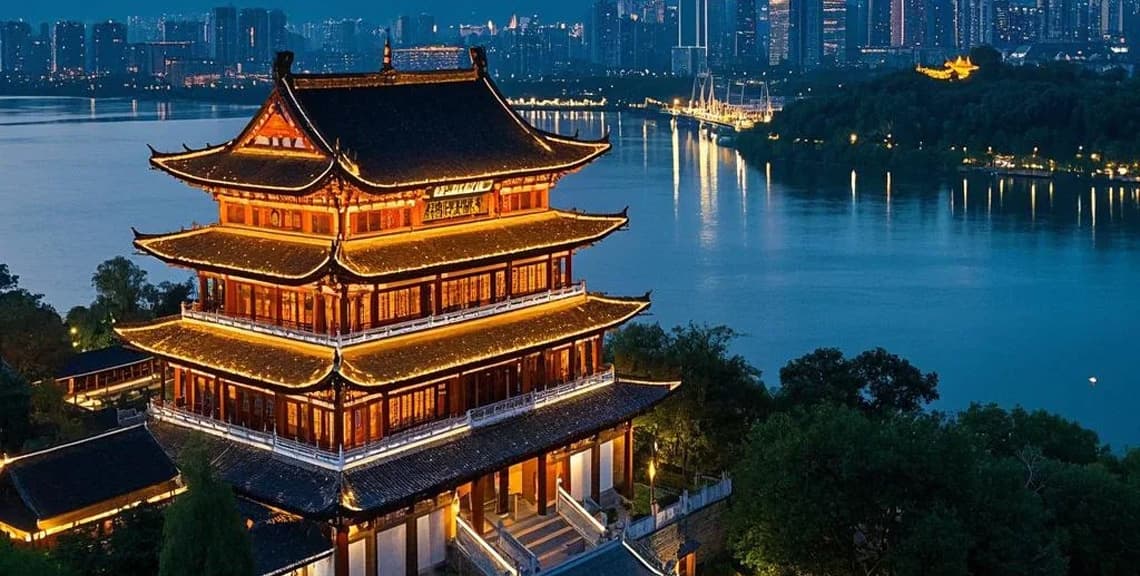
Historical Site
Du Fu River Pavilion
Changsha
It is a grand Tang-style antique architectural complex specially built to commemorate Du Fu, the great poetic sage of the Tang Dynasty who once resided in Changsha in his later years.
2-3 hours
¥18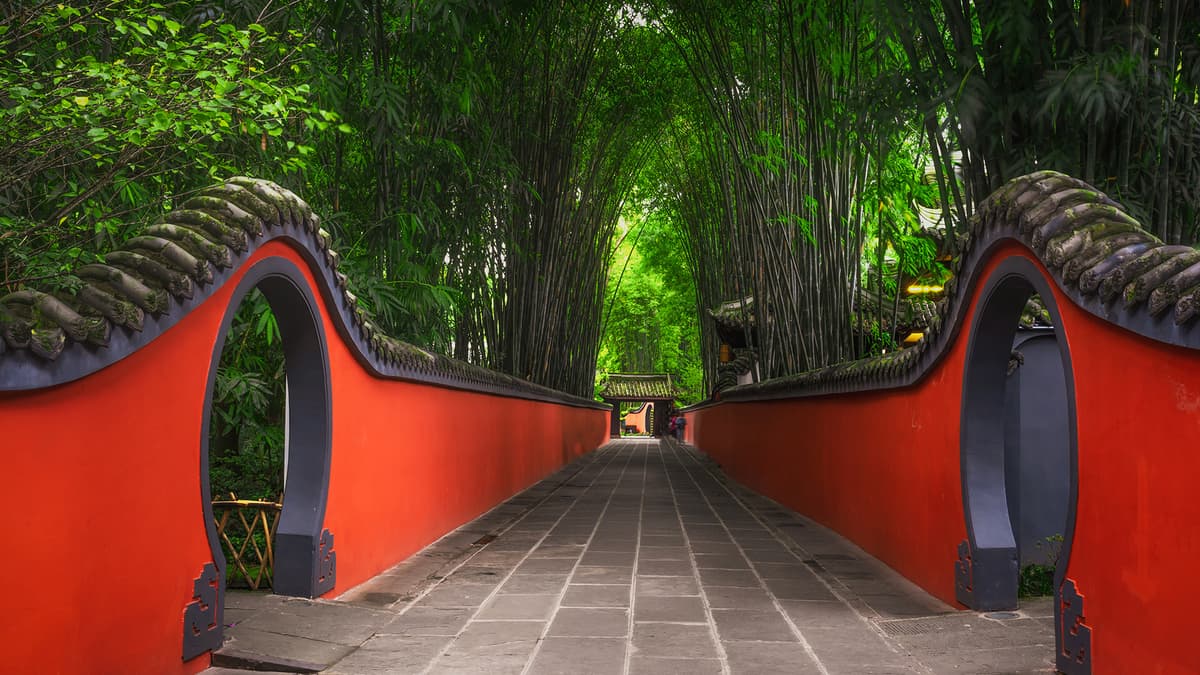
Historical Site
Du Fu Thatched Cottage
Chengdu
A time‑honored memorial site and classical garden, once the residence of the great Tang‑dynasty poet Du Fu.
2-3 hours
¥50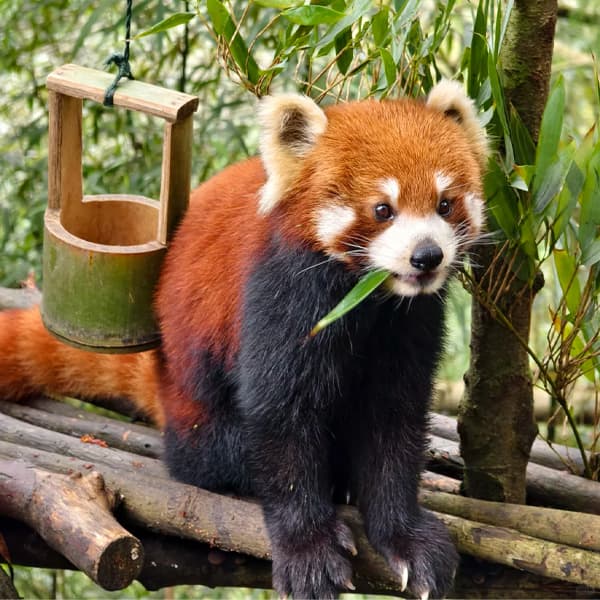
Cultural Site
Dujiangyan Panda Valley
Chengdu
A quiet panda conservation sanctuary with spacious bamboo habitats, perfect for seeing giant pandas in undisturbed natural surroundings.
2-3 hours
¥55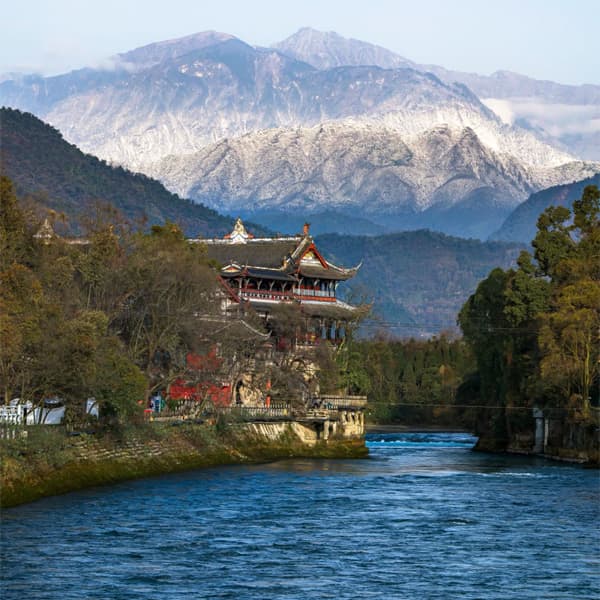
Historical Site
Dujiangyan Scenic Area
Chengdu
A 2,000-year-old UNESCO World Heritage water conservancy project that irrigates the Chengdu Plain, blending ancient engineering and mountain river scenery.
3-4 hours
¥80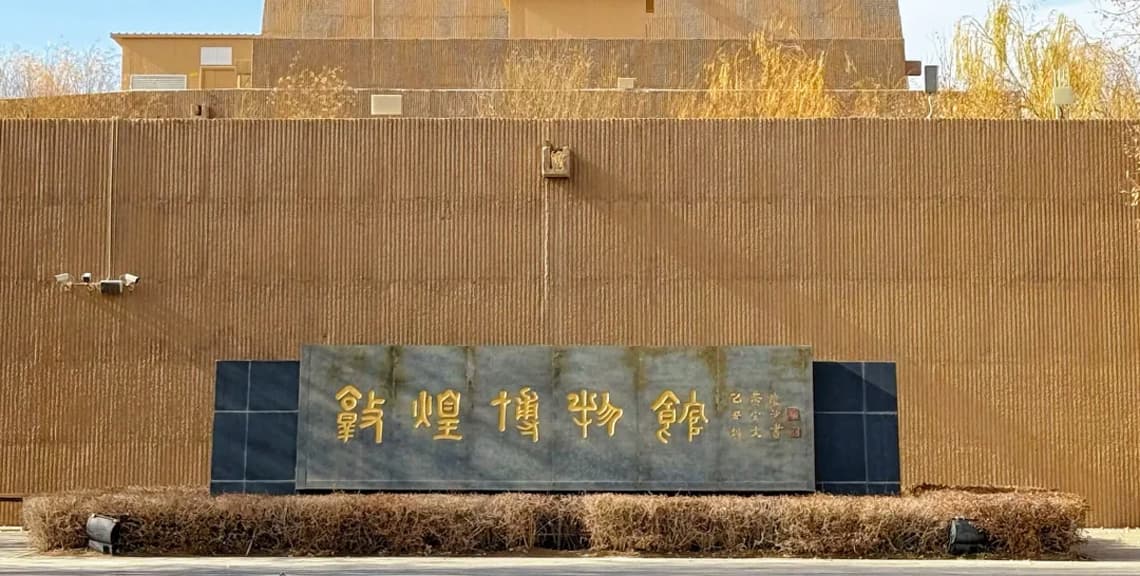
museum
Dunhuang Museum
Dunhuang
It houses over 10,000 unearthed cultural relics recording the thousand-year evolution of Dunhuang and Silk Road civilization.
2-3 hours
Free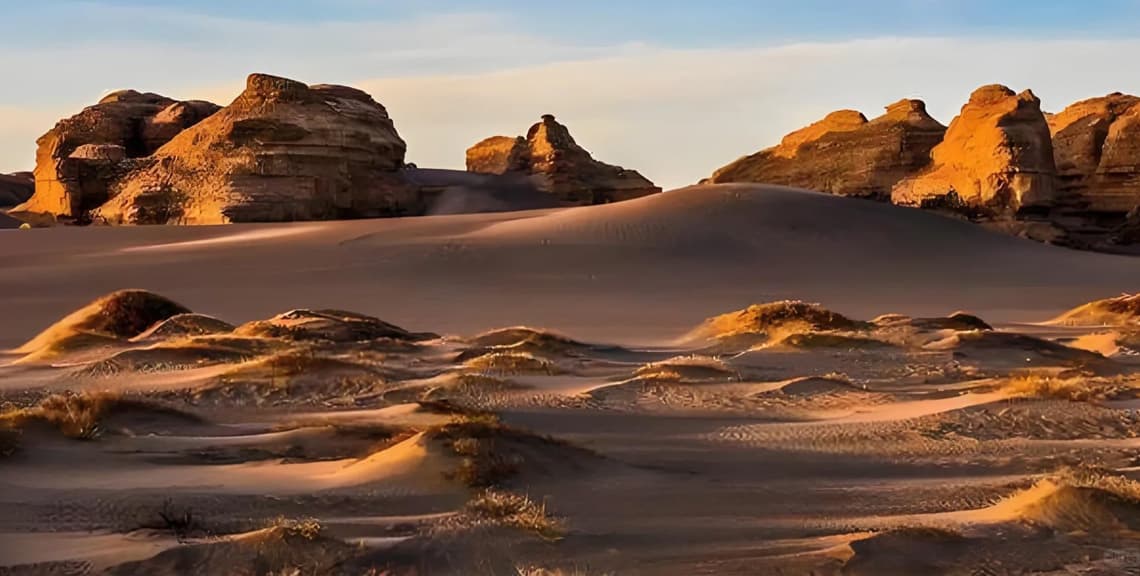
Natural Scenery
Dunhuang Yardang National Geopark
Dunhuang
Formed by millions of years of wind erosion in the Gobi desert, the irregular rock clusters howl fiercely when strong winds blow, hence the nickname "Devil City".
3-4 hours
¥120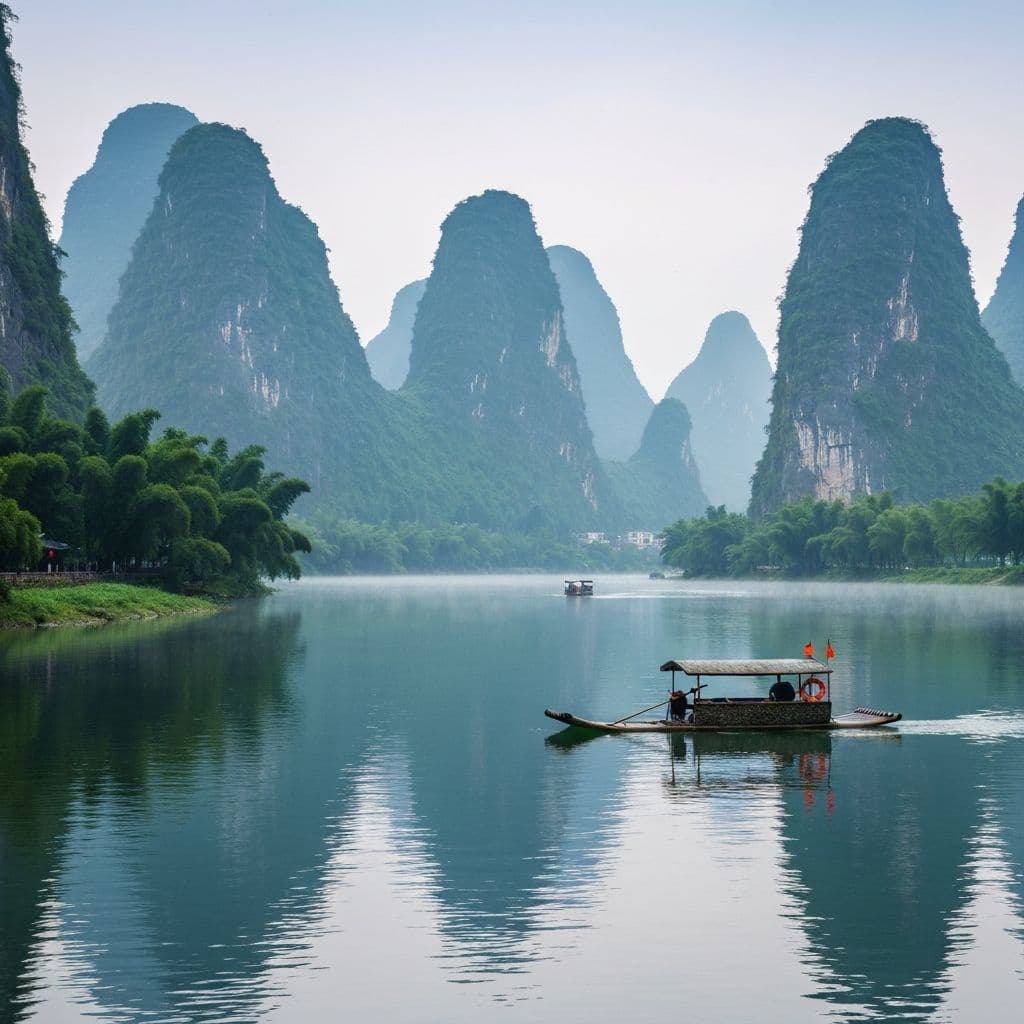
Natural Scenery
East Lake Scenic Area
Wuhan
It features vast lake waters, green‑way cycling trails, wetland gardens, cherry‑blossom gardens, botanical zones and multiple themed scenic bays.
3-4 hours
Free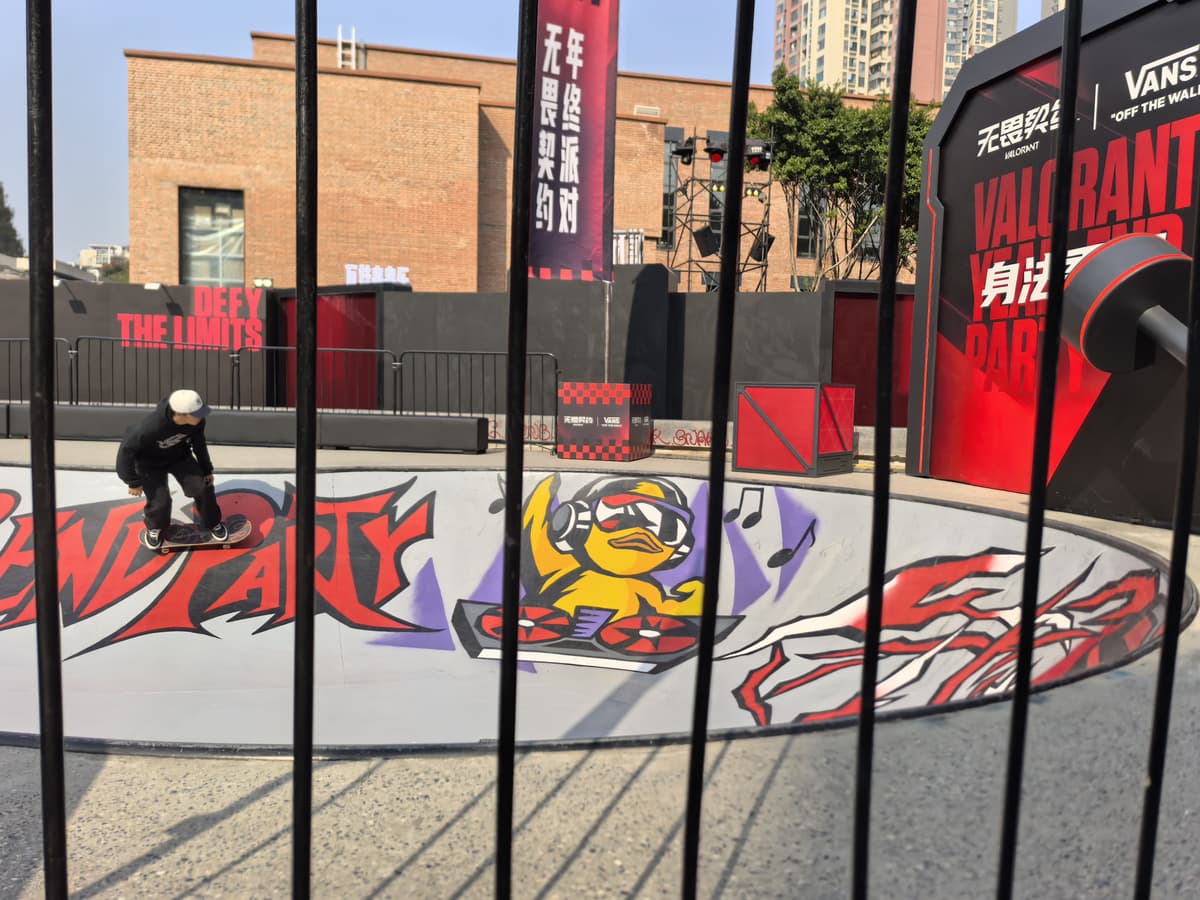
Cultural Site
Eastern Suburbs Memory
Chengdu
A retro industrial art park transformed from an old factory, featuring red-brick buildings, creative street art and trendy cultural spaces.
2-3 hours
Free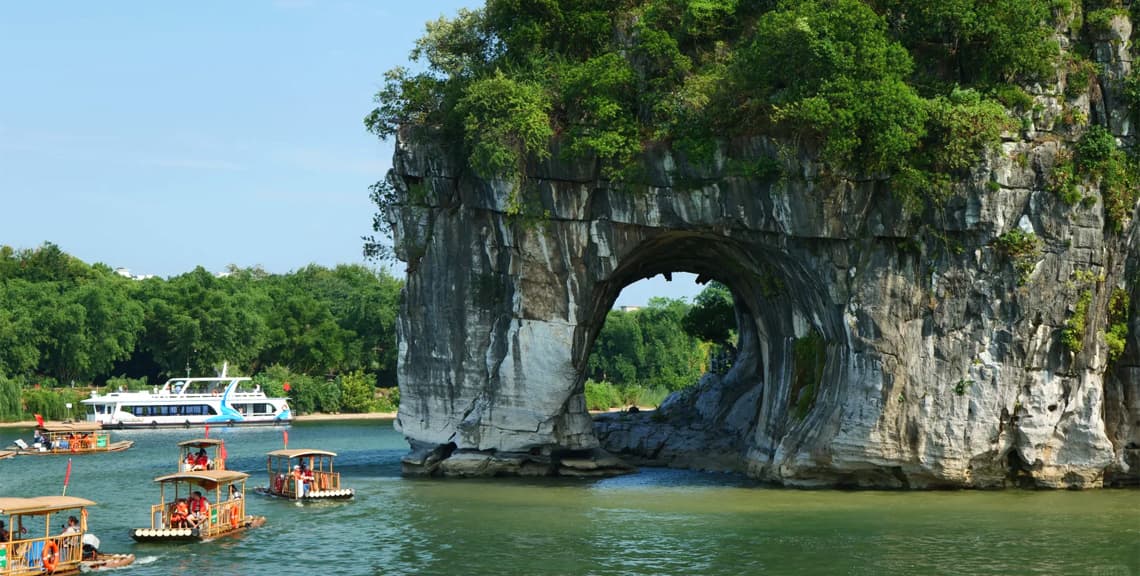
Natural Scenery
Elephant Trunk Hill
Guilin
The iconic city symbol of Guilin, a karst hill shaped like a giant elephant drinking water at the junction of Li River and Peach Blossom River.
2-3 hours
Free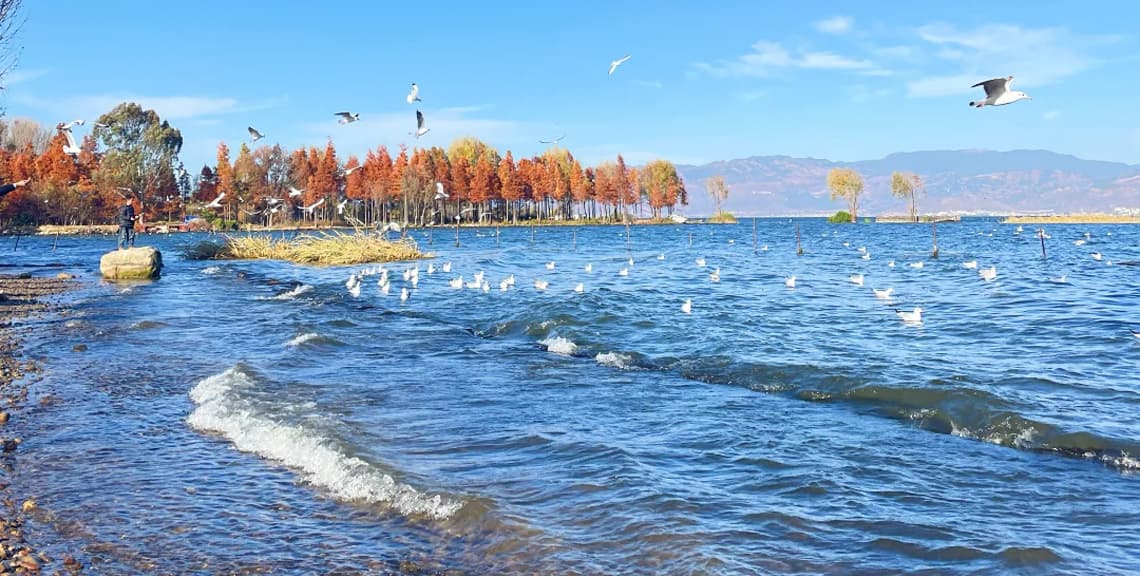
Natural Scenery
Erhai Lake
Dali
It is the second largest plateau freshwater lake in Yunnan, the core landmark of Dali’s renowned Four Wonders: Wind, Flowers, Snow and Moon.
3-4 hours
¥140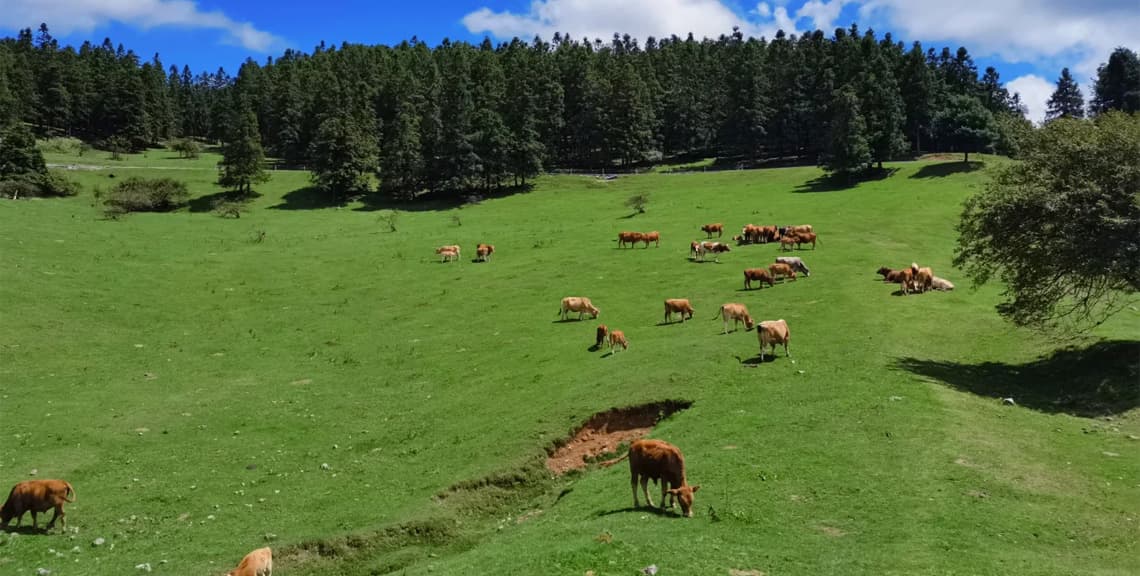
Natural Scenery
Fairy Mountain National Forest Park
Chongqing
A national 5A alpine forest scenic spot in Wulong, boasting vast grasslands, dense cedar forests, winter snowscapes and cool summer mountain climate.
3-4 hours
¥50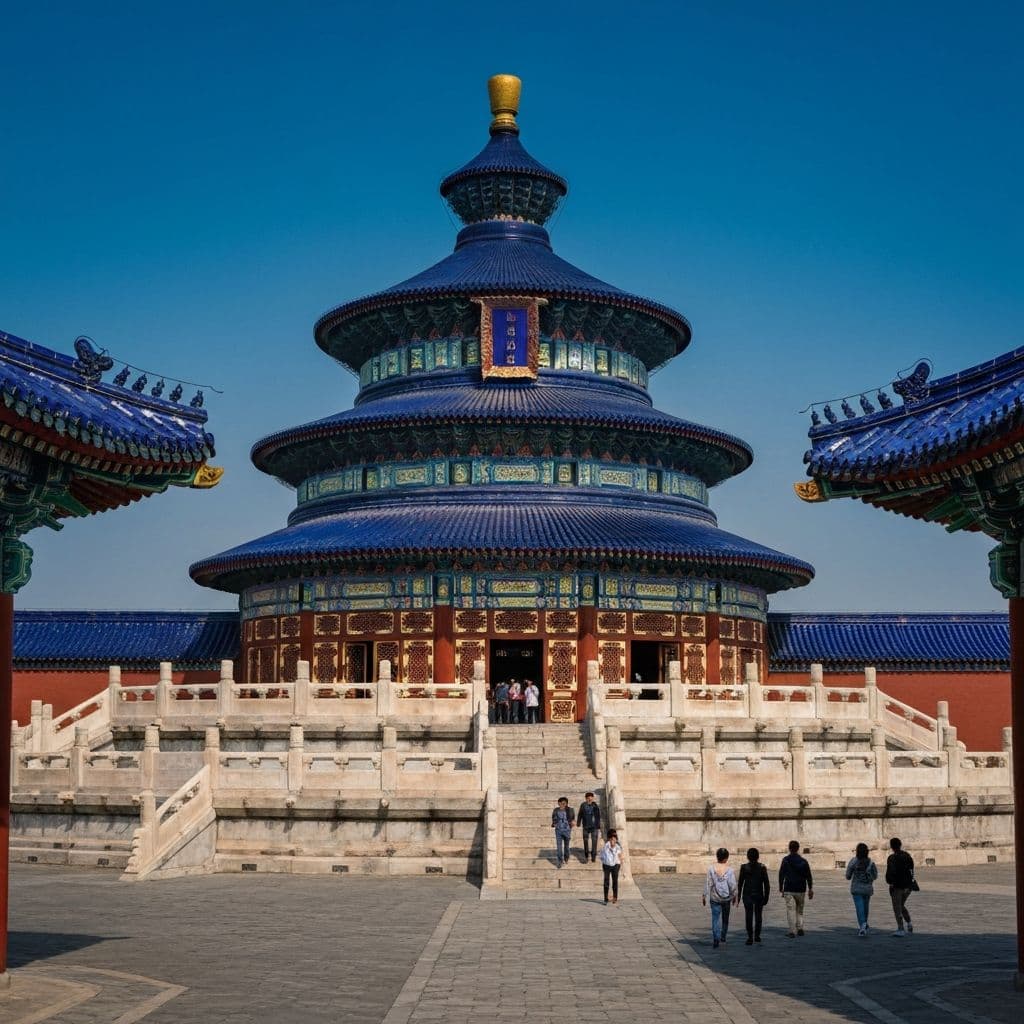
Religious Site
Famen Temple Cultural Scenic Area
Xian
Located in Famen Town, Famen Temple was first built in the late Eastern‑Han Dynasty, honoured as “Ancestor of Pagoda Temples in Guanzhong”.
3-4 hours
¥120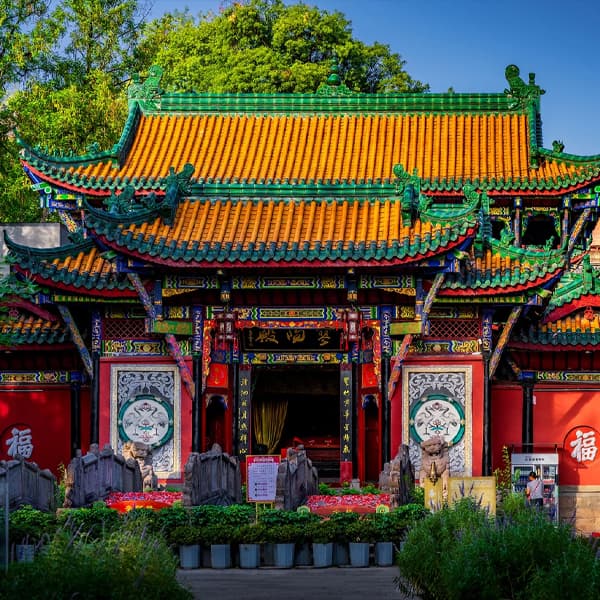
Historical Site
Fengdu Ghost City
Chongqing
Famous ancient cultural scenic spot centered on Chinese underworld folk culture with temples, cliff carvings and legendary ghost-themed architectures.
2-3 hours
¥88