Explore Amazing Attractions
Discover iconic landmarks, natural wonders, and cultural treasures across China
518 attractions
park
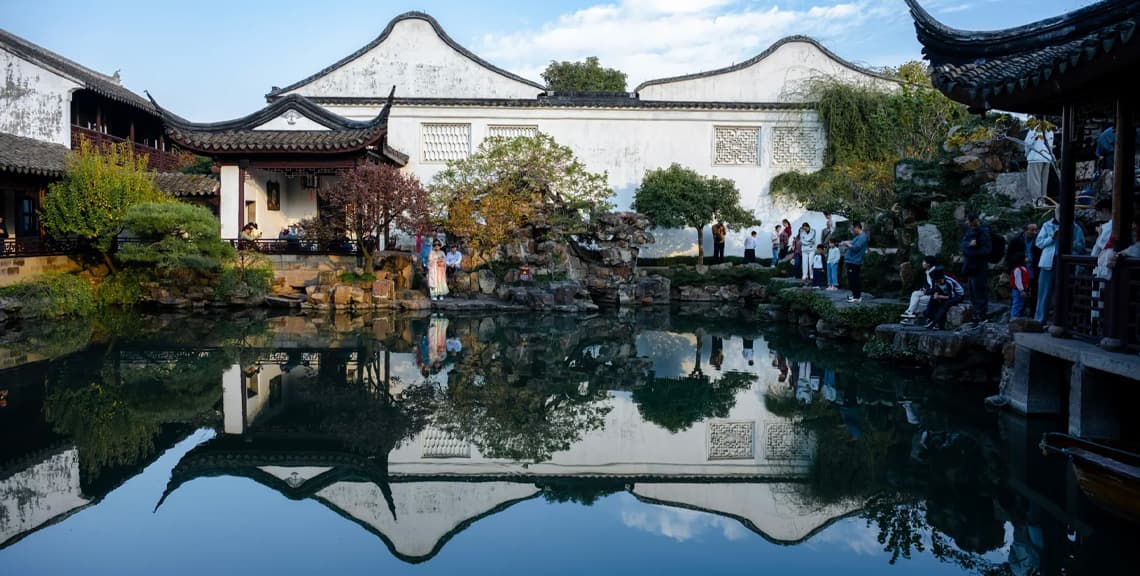
The Master of the Nets Garden (Wangshi Garden)
Suzhou
First constructed in the Southern Song Dynasty with the original name Fisherman’s Retreat, it was reconstructed and renamed in the Qing Dynasty.
1-2 hours
¥40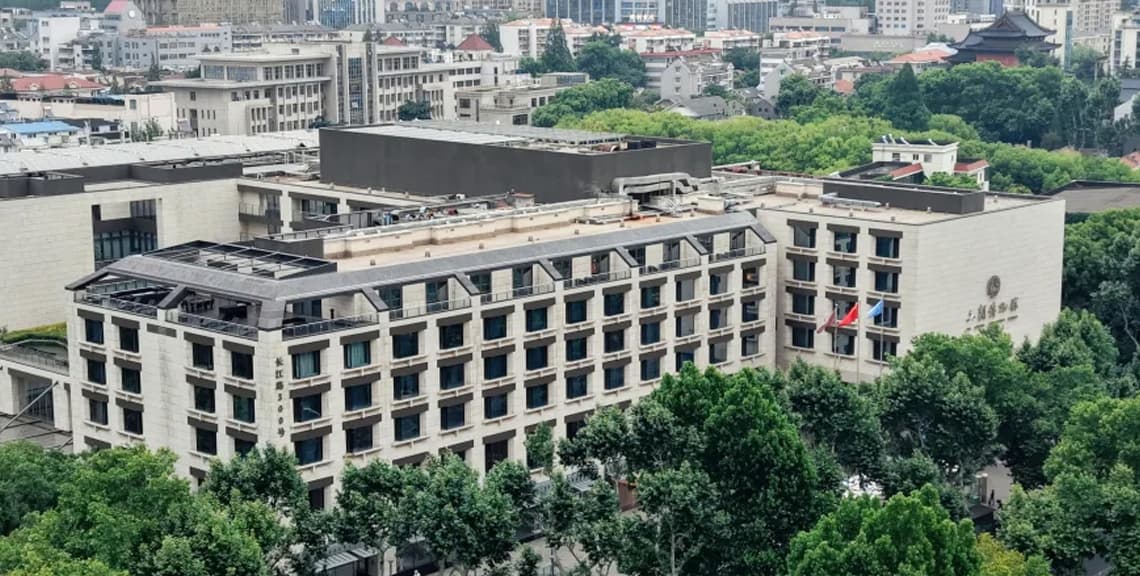
museum
The Oriental Metropolitan Museum (Six Dynasties Museum)
Nanjing
The Oriental Metropolitan Museum (Six Dynasties Museum) sits at No.302 Changjiang Road, Xuanwu District, Nanjing, Jiangsu Province, right next to the east side of the Nanjing Presidential Palace.
1-2 hours
¥30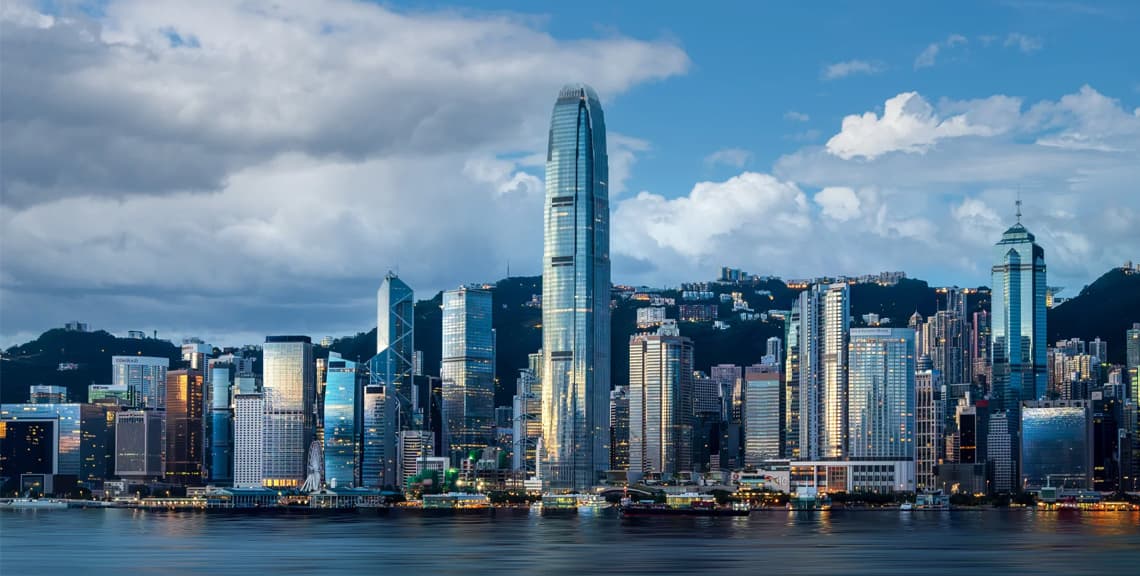
Natural Scenery
The Peak Tram (Hong Kong Victoria Peak Funicular)
Hongkong
The Peak Tram is a historic funicular railway first put into operation in 1888, the oldest mountain cable tram in Asia.
2-3 hours
¥71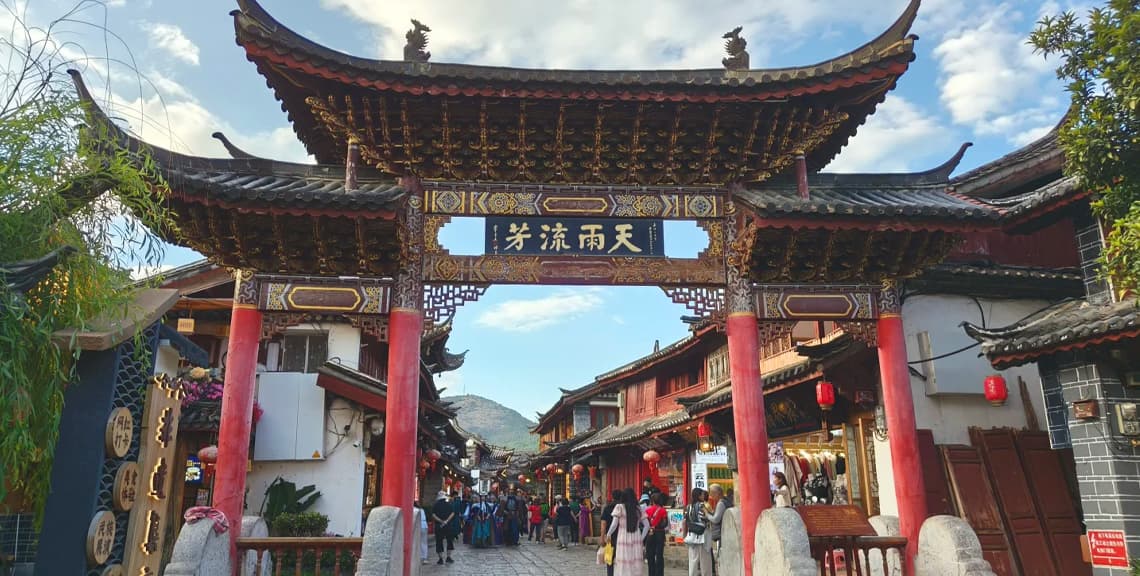
Cultural Site
The Square Market
Lijiang
The central ancient market square of Lijiang Ancient City, core hub of ancient Tea Horse Road commerce.
1-2 hours
Free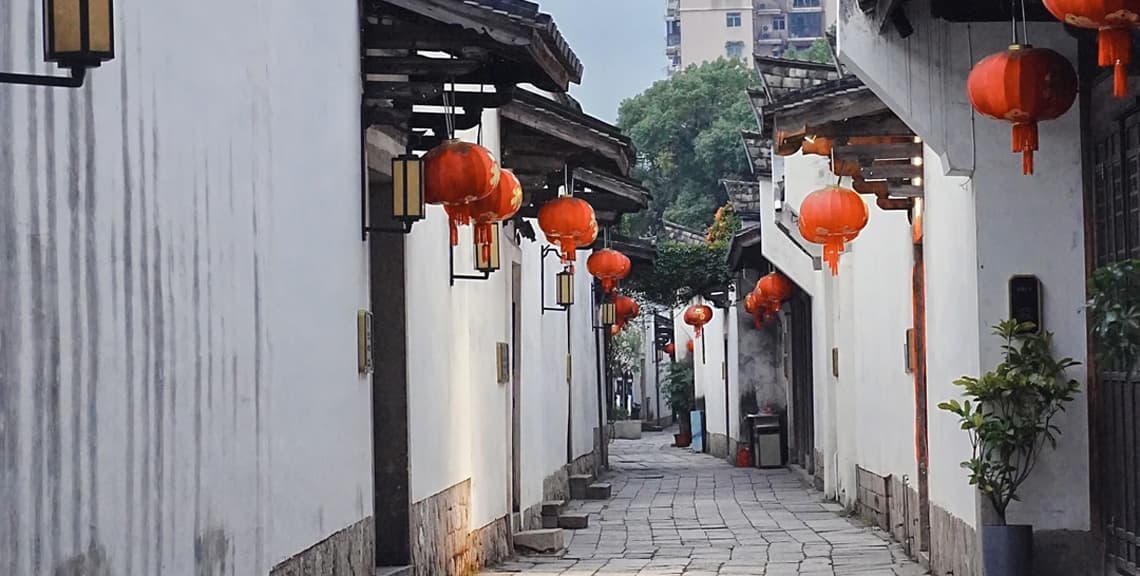
Historical Site
Three Lanes and Seven Alleys
Fuzhou
Three Lanes and Seven Alleys is a national 5A‑level historic‑cultural block, known as “living fossil of Chinese neighbourhood system”.
3-4 hours
Free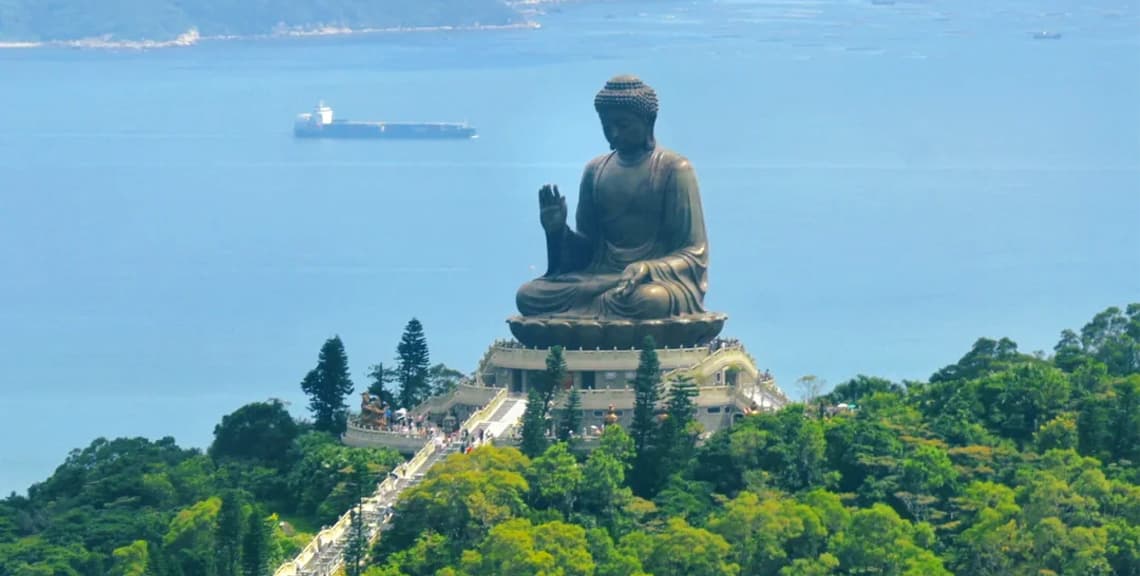
Historical Site
Tian Tan Buddha
Hongkong
Tian Tan Buddha, also known as the Big Buddha, stands on Ngong Ping Plateau on Lantau Island. It is one of the world’s largest outdoor bronze seated Buddha statues.
3-4 hours
Free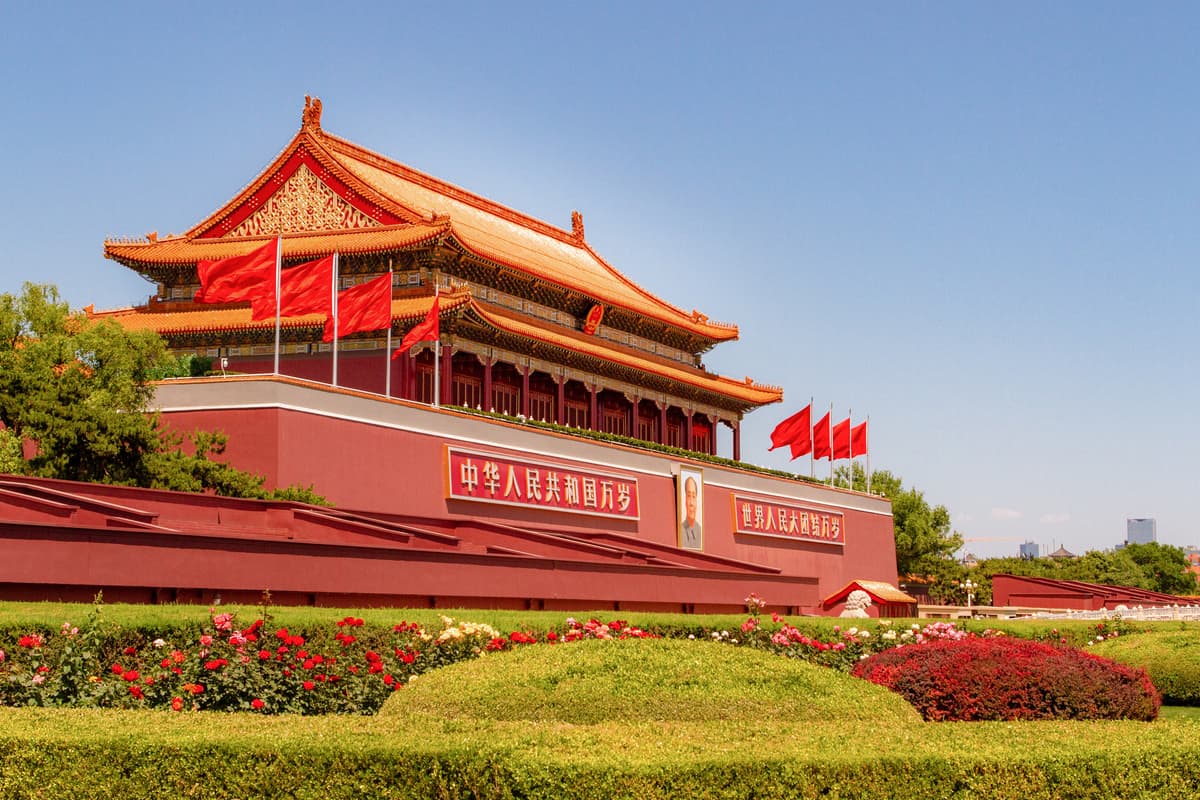
Historical Site
Tiananmen Rostrum
Beijing
Tiananmen stands at the northern end of Tiananmen Square in central Beijing, serving as the iconic national symbol of China and a core component of the Beijing Central Axis UNESCO World Cultural Heritage Site.
2-3 hours
¥15
Cultural Site
Tianfu Square
Chengdu
Chengdu’s central urban landmark and cultural hub blending modern city landscapes and surrounding cultural venues.
1 hour
Free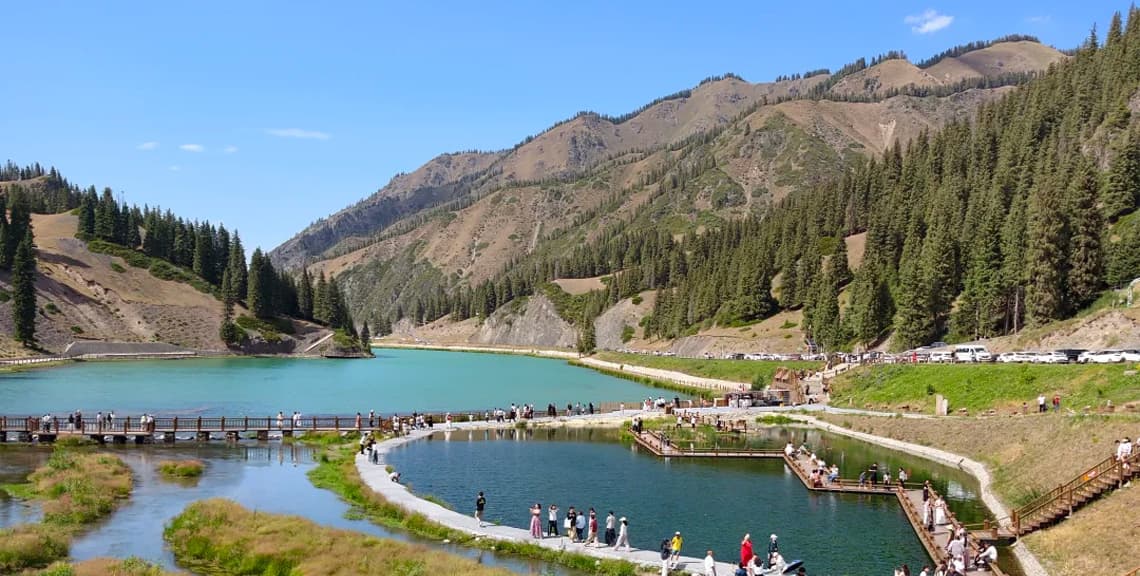
Natural Scenery
Tianshan Grand Canyon Scenic Area
Urumqi
Located in Banfanggou Town, Urumqi County, about 50 kilometers from downtown Urumqi, it is a 5A-level national scenic area.
5-8 hours
¥110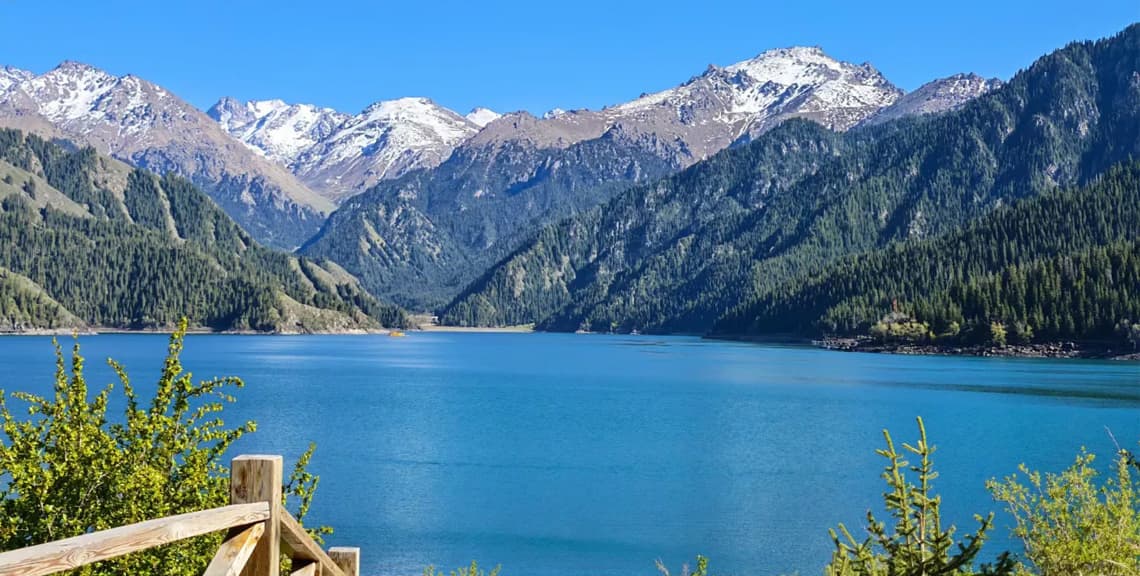
Natural Scenery
Tianshan Tianchi Scenic Area
Urumqi
Located in Fukang City, Changji Hui Autonomous Prefecture. Formed by glacial moraine, the crescent-shaped alpine lake is fed by meltwater from Bogda Peak.
5-8 hours
¥155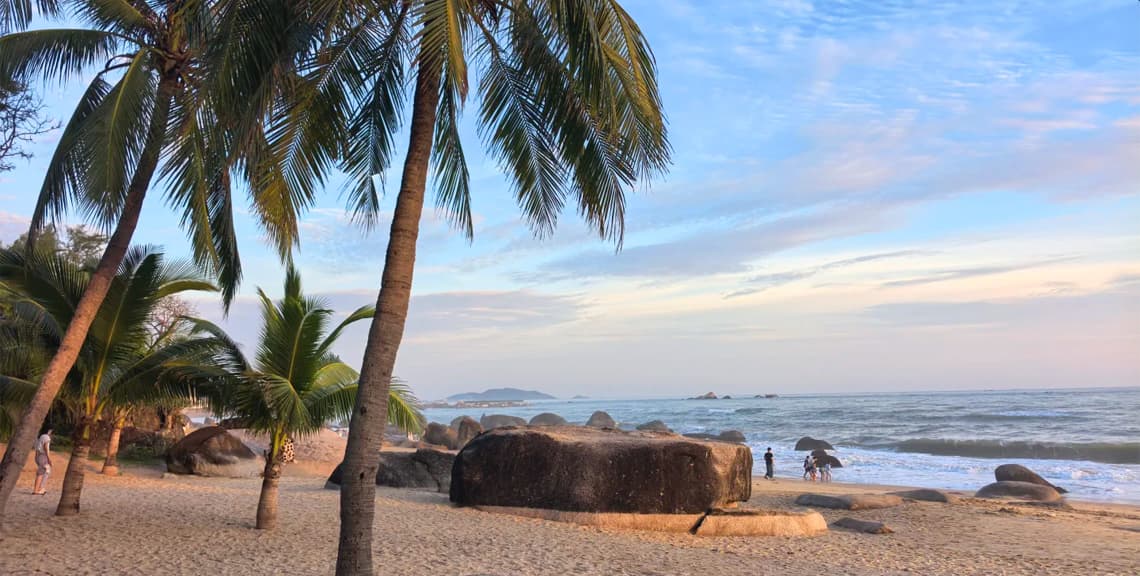
Natural Scenery
Tianya Haijiao (Ends of the Earth)
Sanya
Tianya Haijiao Scenic Area has long been the symbolic landmark of Sanya, famous for two huge coastal boulders carved with Chinese characters “Tianya” (End of Heaven) and “Haijiao” (Corner of the Sea).
3-4 hours
Free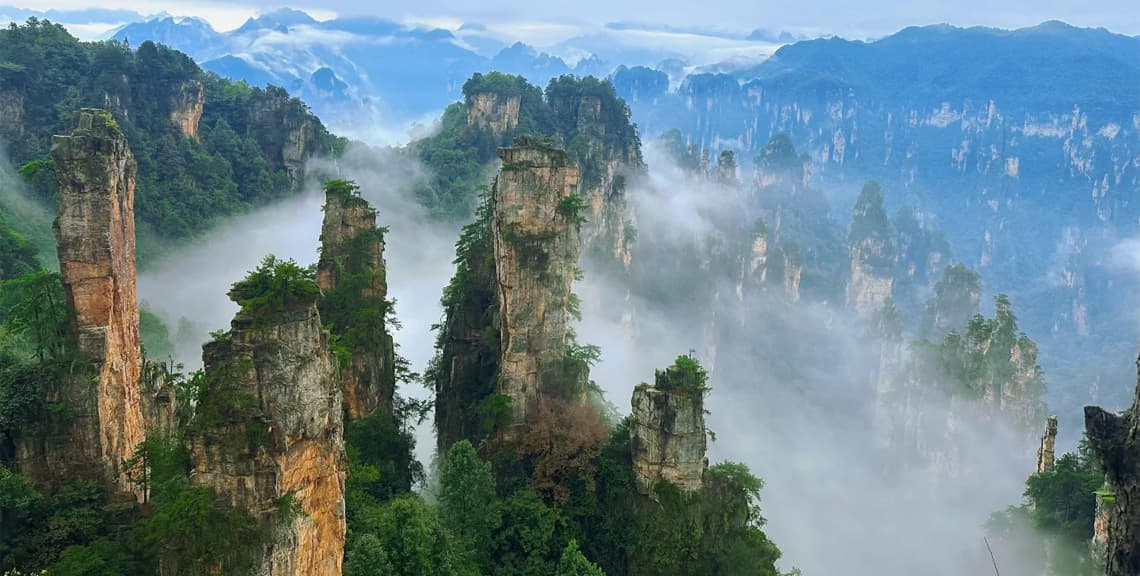
Natural Scenery
Tianzishan
Zhangjiajie
A core peak forest zone of Wulingyuan famous for layered stone pillars, sunset views and vast sea of clouds.
5-8 hours
¥72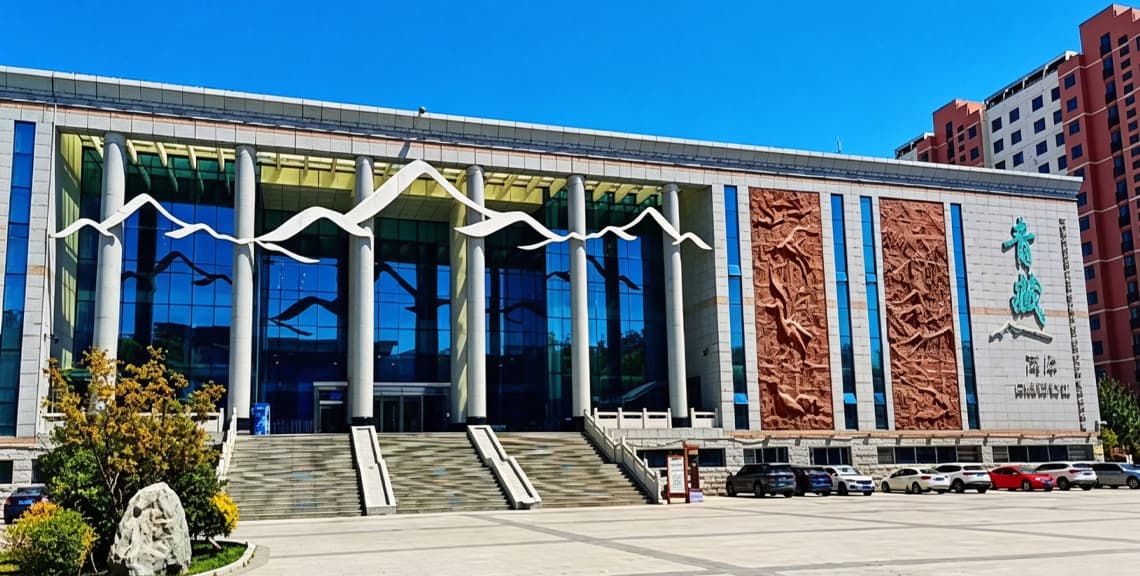
museum
Tibet Plateau Natural History Museum
Xining
A 4A large natural museum displaying unique geology, flora and fauna specimens of the Qinghai-Tibet Plateau.
2-3 hours
¥60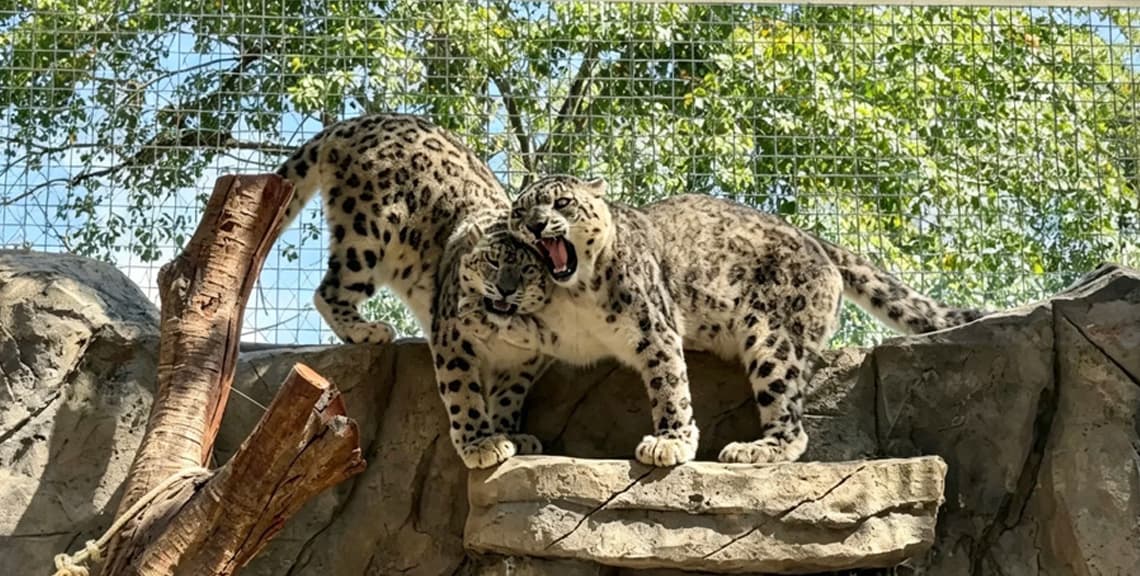
park
Tibetan Plateau Wildlife Zoo
Xining
A 4A plateau zoo famous for rare snow leopards, desert cats and unique Qinghai-Tibet wild animals.
3-4 hours
¥30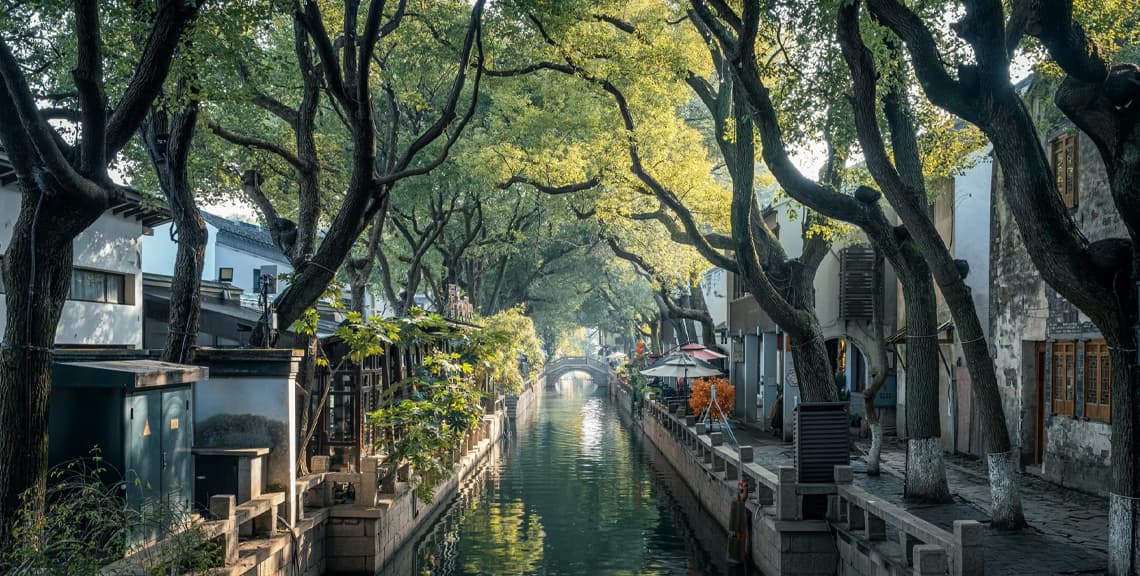
Historical Site
Tongli Ancient Town
Suzhou
Located in Wujiang District Suzhou, Tongli Ancient Town is one of the six famous Jiangnan water towns and a national 5A-level scenic area with a thousand-year history.
2-3 hours
¥100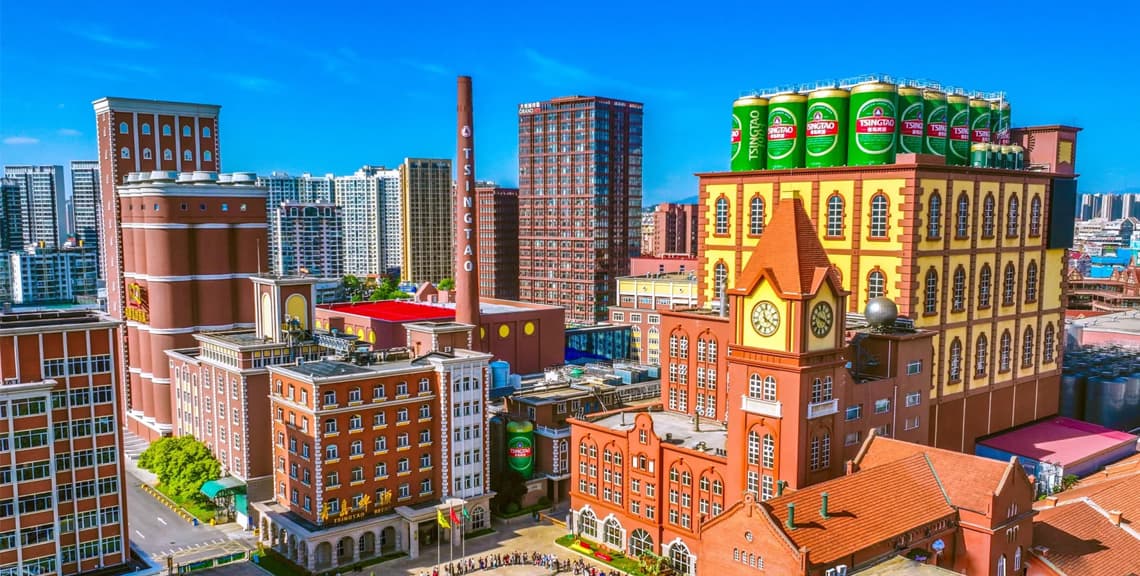
museum
Tsingtao Brewery Museum
Qingdao
Tsingtao Brewery Museum is situated at No.56 Dengzhou Road, Shibei District, Qingdao, built upon the original site of century‑old Tsingtao No.1 Brewery, a well‑preserved German‑style red‑brick industrial complex founded in 1903.
1-2 hours
¥60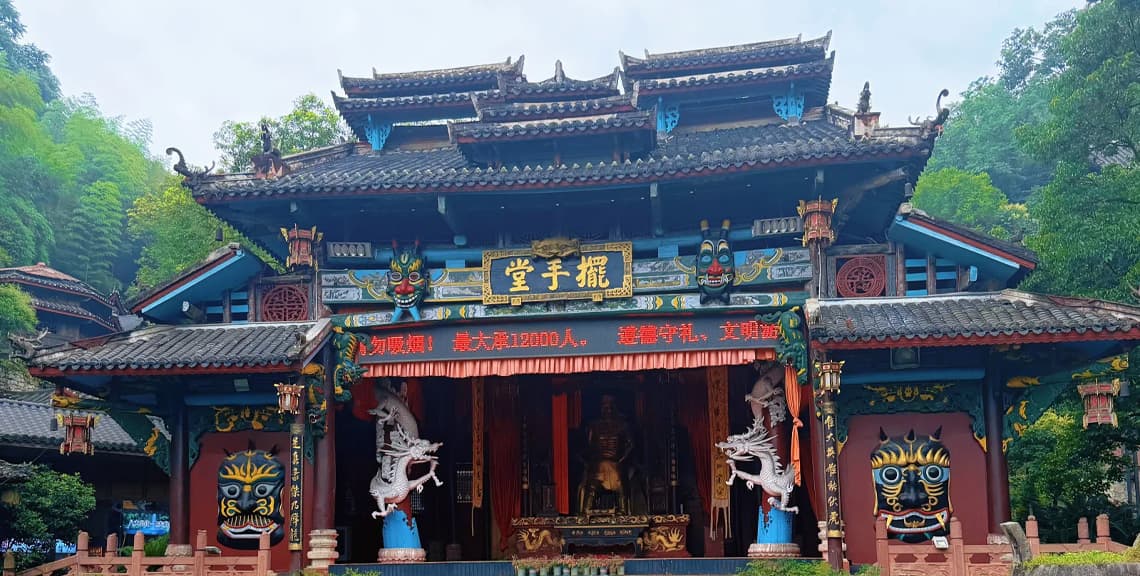
Cultural Site
Tujia Folk Customs Park
Zhangjiajie
A 4A ethnic park showcasing thousand-year Tujia chieftain culture, ancient stilt houses and daily folk performances.
2-3 hours
¥17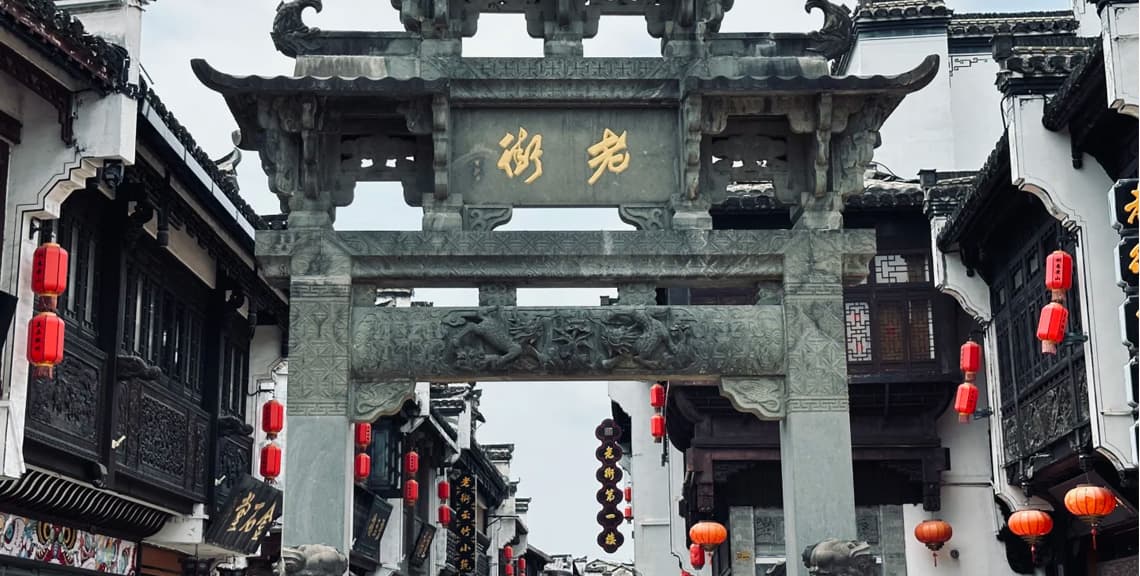
Historical Site
Tunxi Old Street
Huangshan
Tunxi Old Street lies in Tunxi District, Huangshan City, Anhui Province. It is one of China’s Famous Historical and Cultural Streets, reputed as “A Riverside Version of Riverside Scene at Qingming Festival”.
2-3 hours
Free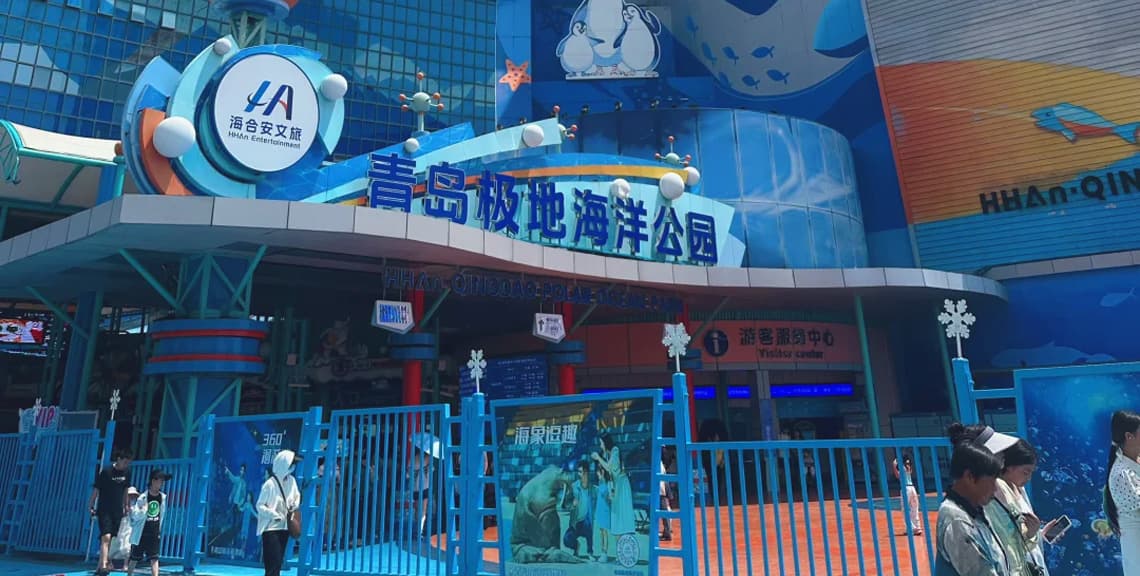
Entertainment
Underwater World Qingdao
Qingdao
Underwater World Qingdao is located at No.2 Laiyang Road, Shinan District, Qingdao, adjacent to Luxun Park and the First Bathing Beach along Huiquan Bay.
2-3 hours
¥164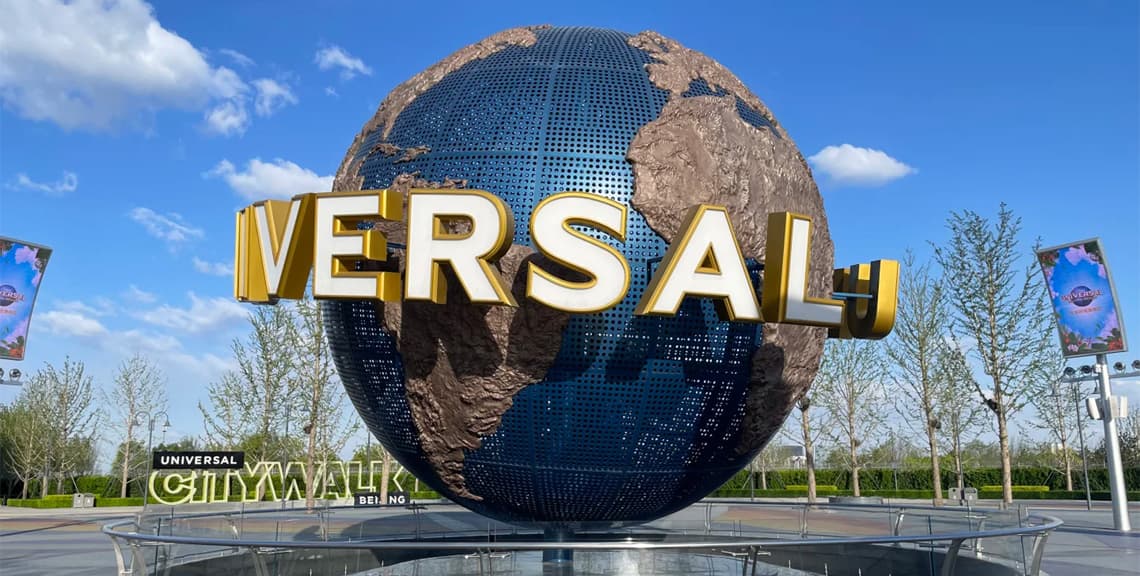
Entertainment
Universal Studios Beijing
Beijing
Universal Studios Beijing, located in Tongzhou District, is China’s third Universal theme park.
5-8 hours
¥638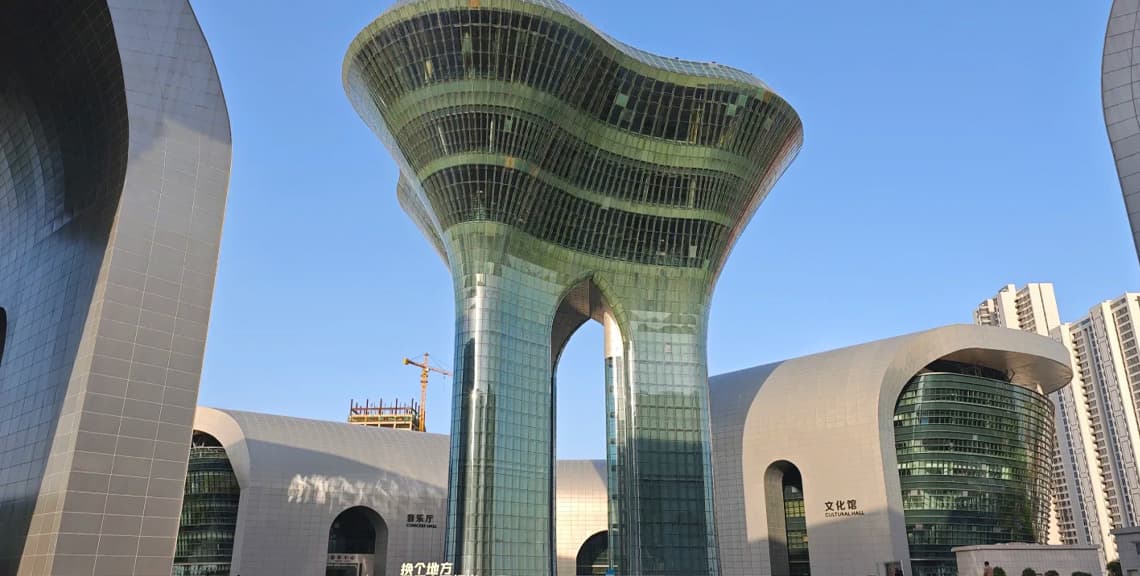
museum
Urumqi Cultural Center
Urumqi
Located in the Convention‑Exhibition Zone, Shuimogou District, Urumqi, this new city landmark is nicknamed "Six Pavilions One Heart".
3-4 hours
Free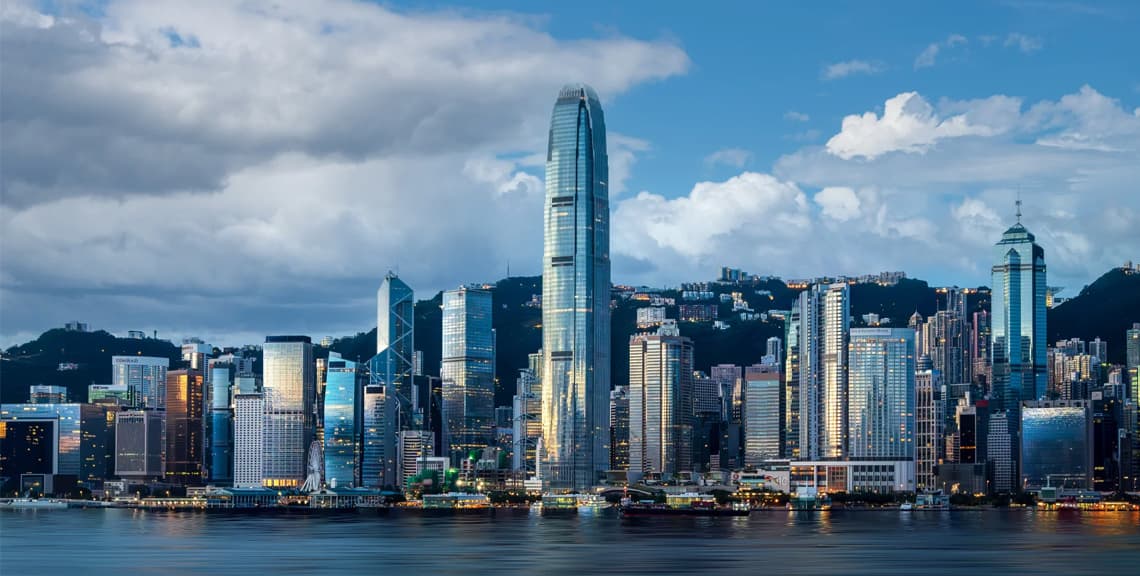
Historical Site
Victoria Harbour
Hongkong
Victoria Harbour is one of the world’s three most magnificent natural deep-water harbours, located between Hong Kong Island and the Kowloon Peninsula.v
3-4 hours
Free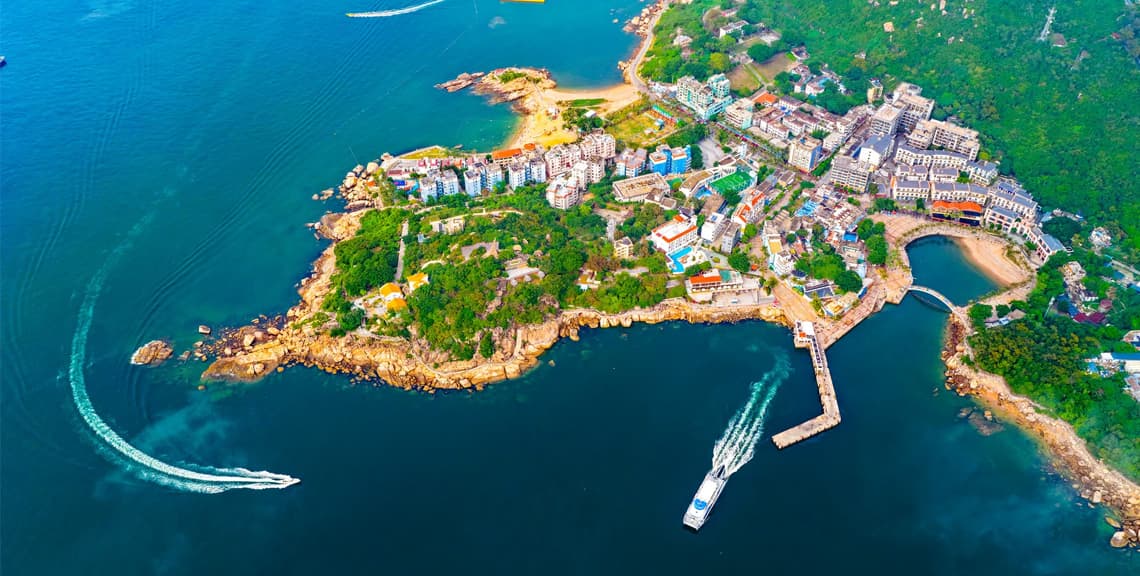
Natural Scenery
Wailingding Island
Zhuhai
Wailingding Island belongs to Wanshan Archipelago. It is famous for crystal‑clear seawater and the historic poem Over the Lonely Ocean by Wen Tianxiang.
5-8 hours
Free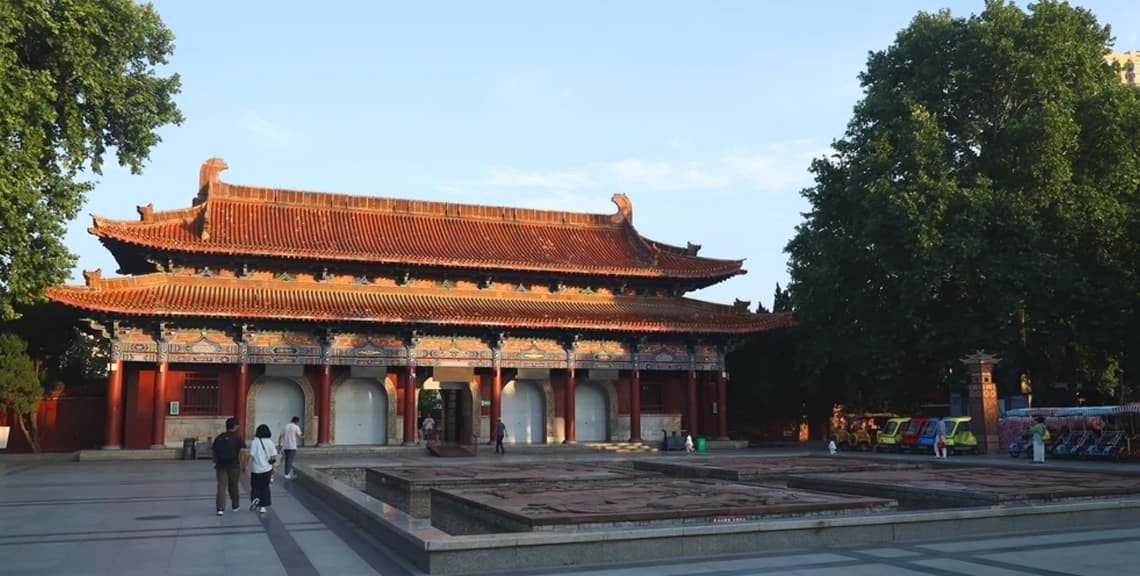
Historical Site
Wangcheng Park
Luoyang
It was first built in 1955, and it is China’s first urban heritage park constructed on the relics of the Eastern Zhou Dynasty Royal City, hence the name "Wangcheng (Royal City)" Park.
3-4 hours
¥50