Explore Amazing Attractions
Discover iconic landmarks, natural wonders, and cultural treasures across China
518 attractions
Historical Site
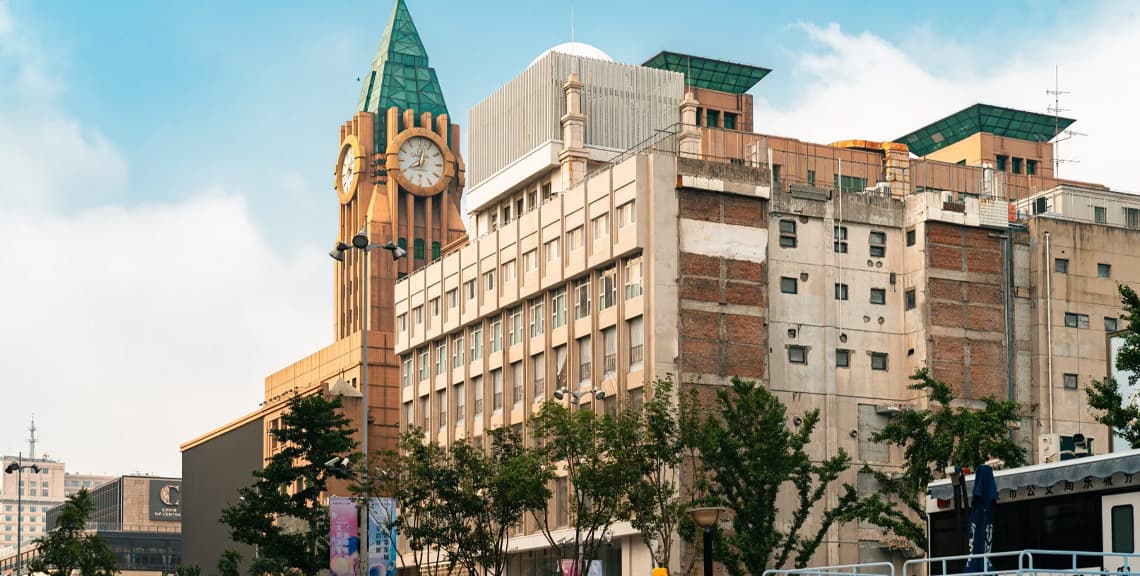
Wangfujing Street
Beijing
Wangfujing Street, known as Beijing’s Golden Street, sits in Dongcheng District to the east of the Forbidden City.
2-3 hours
Free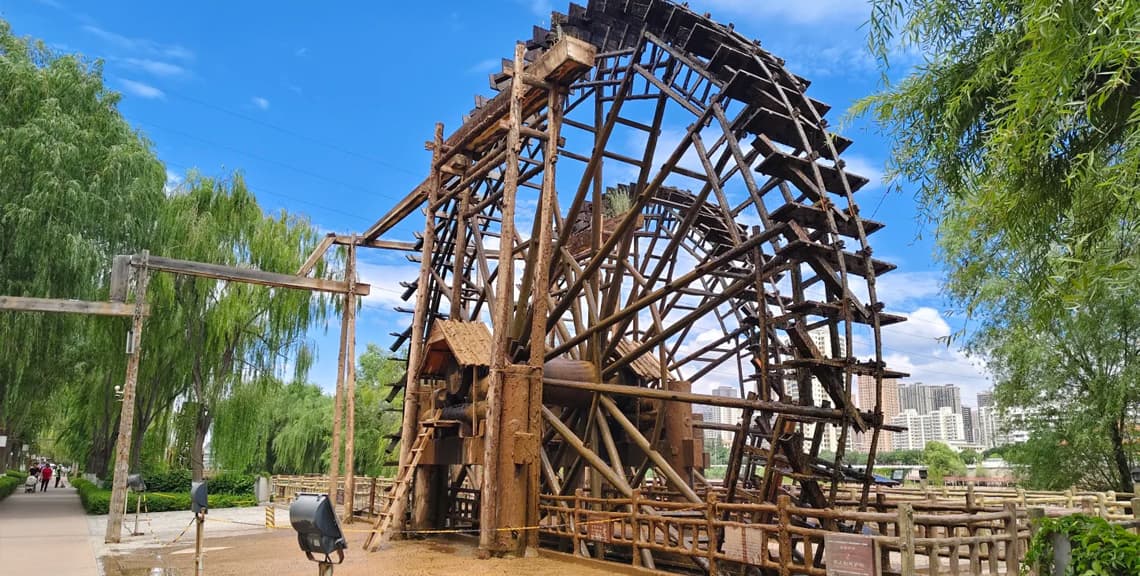
park
Waterwheel Expo Garden
Lanzhou
A riverside cultural park with dozens of ancient Yellow River irrigation waterwheels showing local farming heritage, free to visit.
1-2 hours
Free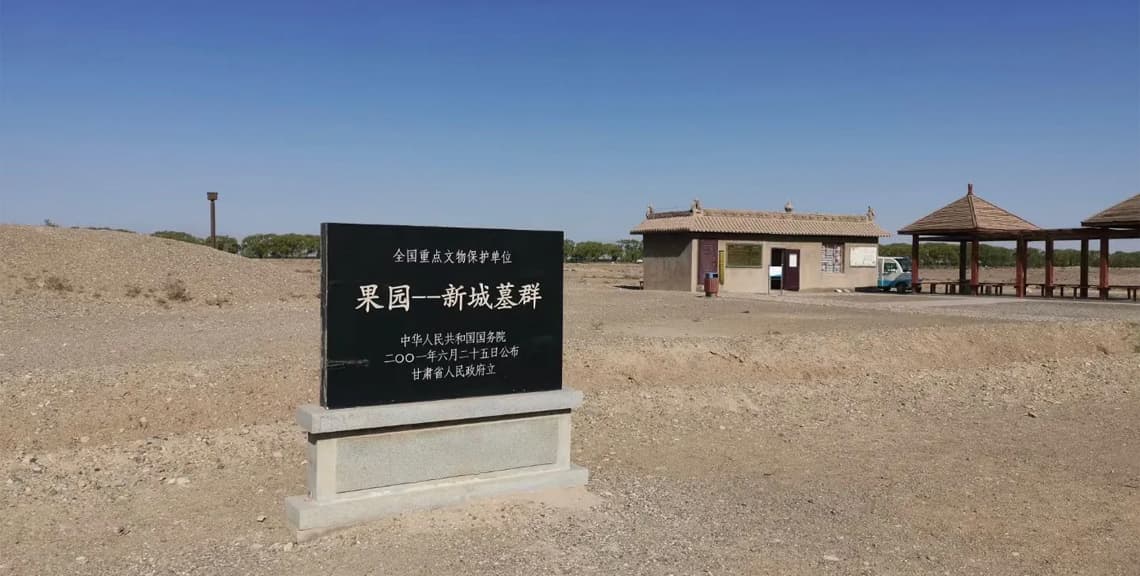
Historical Site
Wei‑Jin Brick‑Chamber Tombs (Xincheng Mural Tombs)
Jiayuguan
Located 18 kilometres east of downtown Jiayuguan, Gansu, this large ancient tomb cluster dates back to the Wei and Jin Dynasties.
1-2 hours
¥31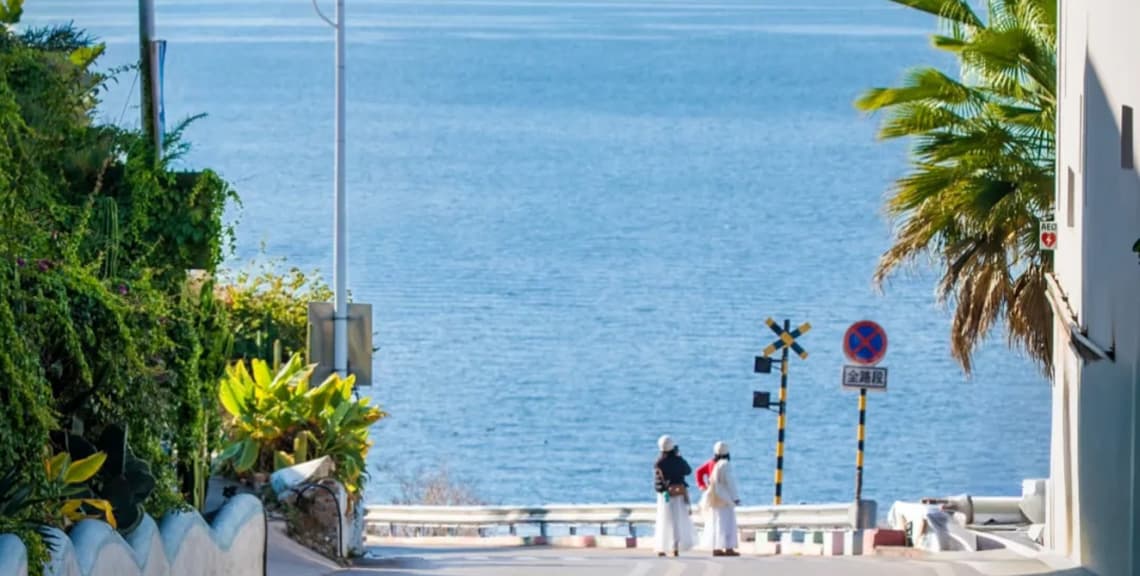
Historical Site
Wenbi Village
Dali
Backed by Wenbi Mountain and overlooking the vast Erhai Lake with snow-capped Cangshan Mountain in the distance, it is a quiet original Bai ethnic cliff fishing village famous for its rainbow coastal highway and 270-degree panoramic mountain-and-sea view, nicknamed “Dali’s Little Kamakura”.
2-3 hours
Free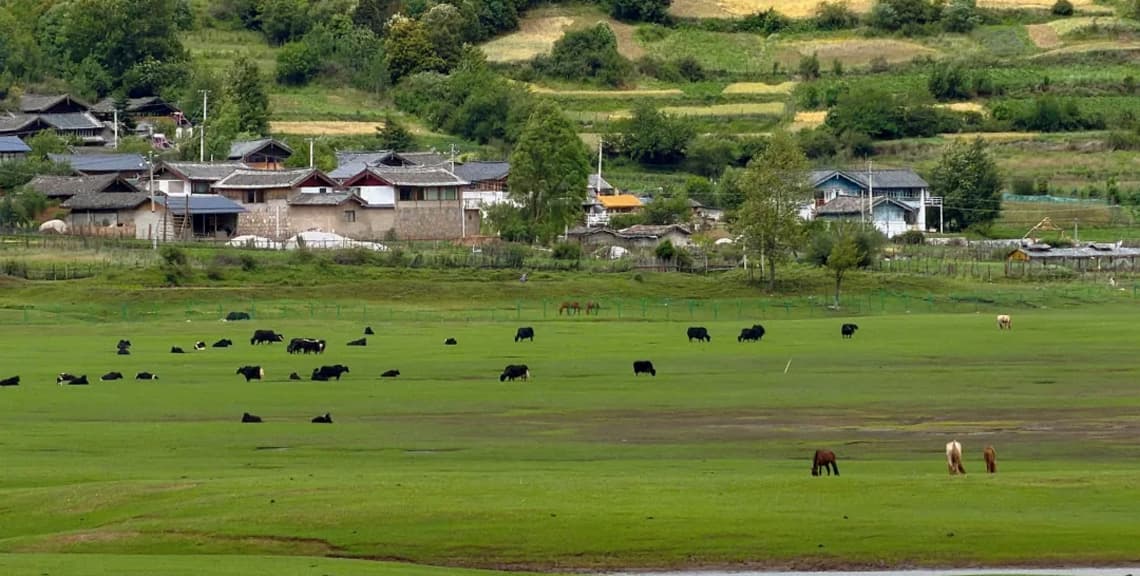
Natural Scenery
Wenhai
Lijiang
A seasonal high-altitude glacial lake and primitive Naxi village under Jade Dragon Snow Mountain, featuring vast wild flower meadows and quiet pastoral scenery.
2-3 hours
Free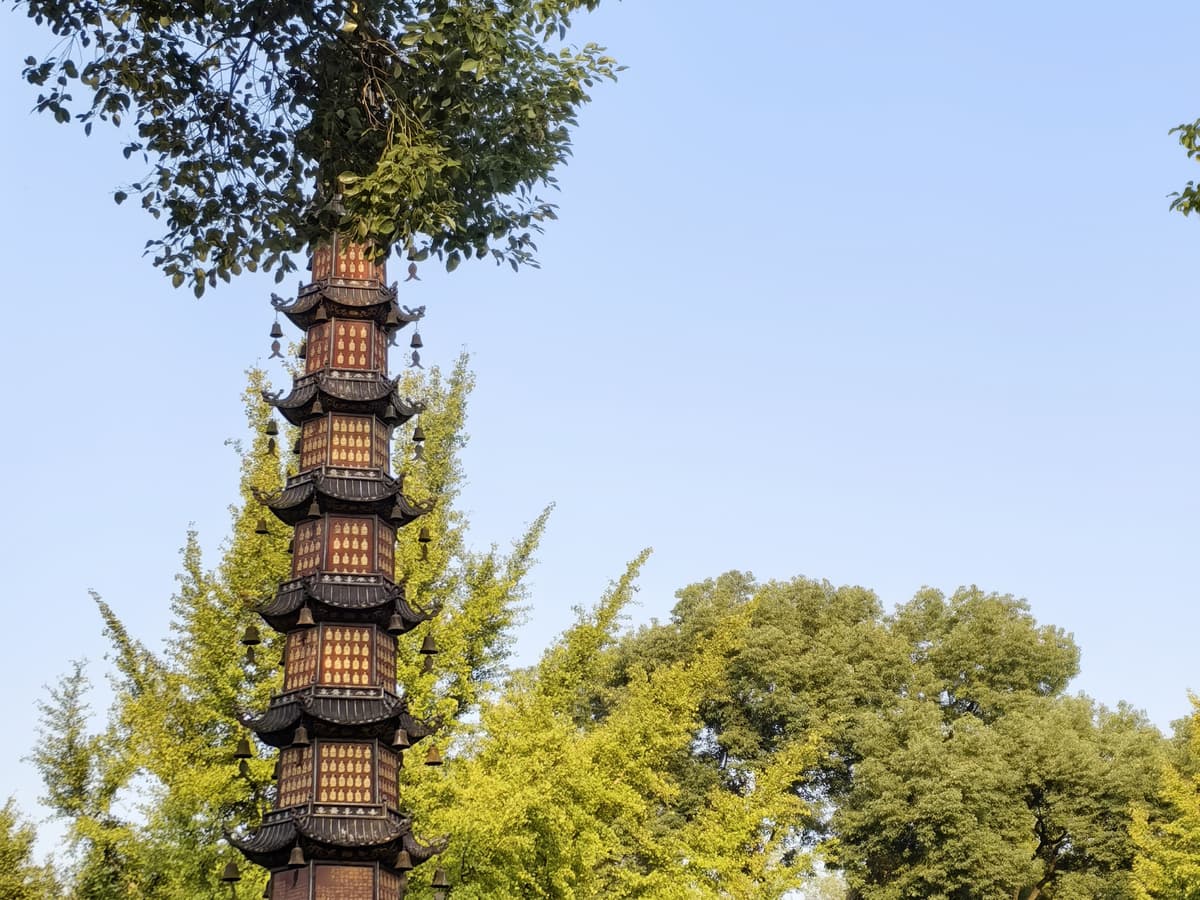
Cultural Site
Wenshu Yuan Monastery
Chengdu
Chengdu’s best-preserved ancient Buddhist temple, featuring serene traditional architecture, tranquil courtyards and authentic local Buddhist culture.
2-3 hours
Free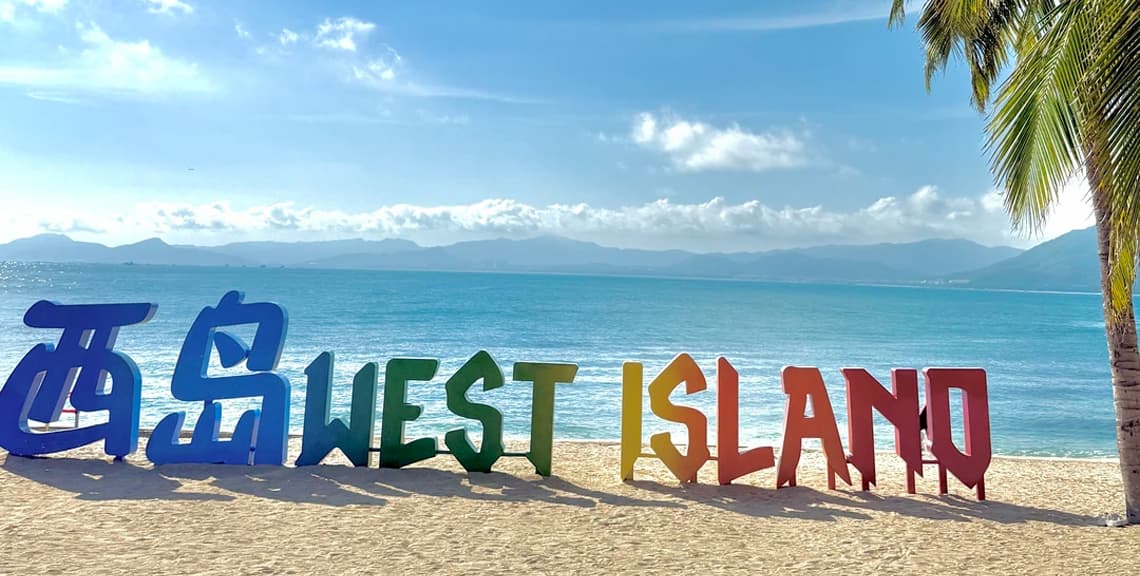
Natural Scenery
West Island (Sanya Xidao)
Sanya
Xidao, officially named Ximaozhou Island, is located in the middle of Sanya Bay. It is the largest original resident fishing island in Hainan, covering an area of 2.8 square kilometers.
5-8 hours
¥98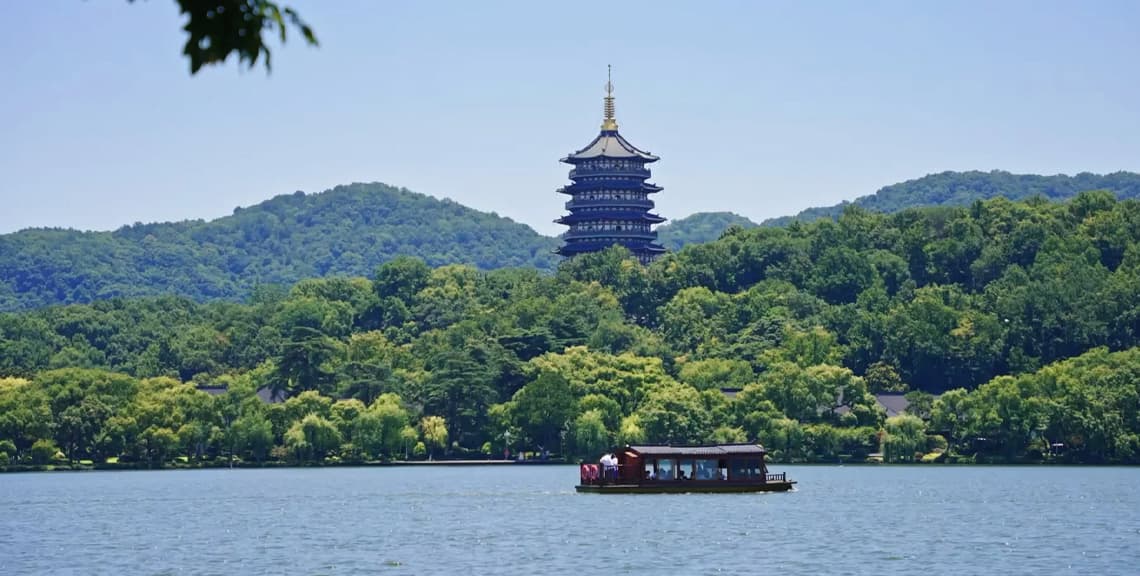
Natural Scenery
West Lake
Hangzhou
West Lake in Hangzhou is China’s only lake-type UNESCO World Cultural Heritage Site.
3-4 hours
Free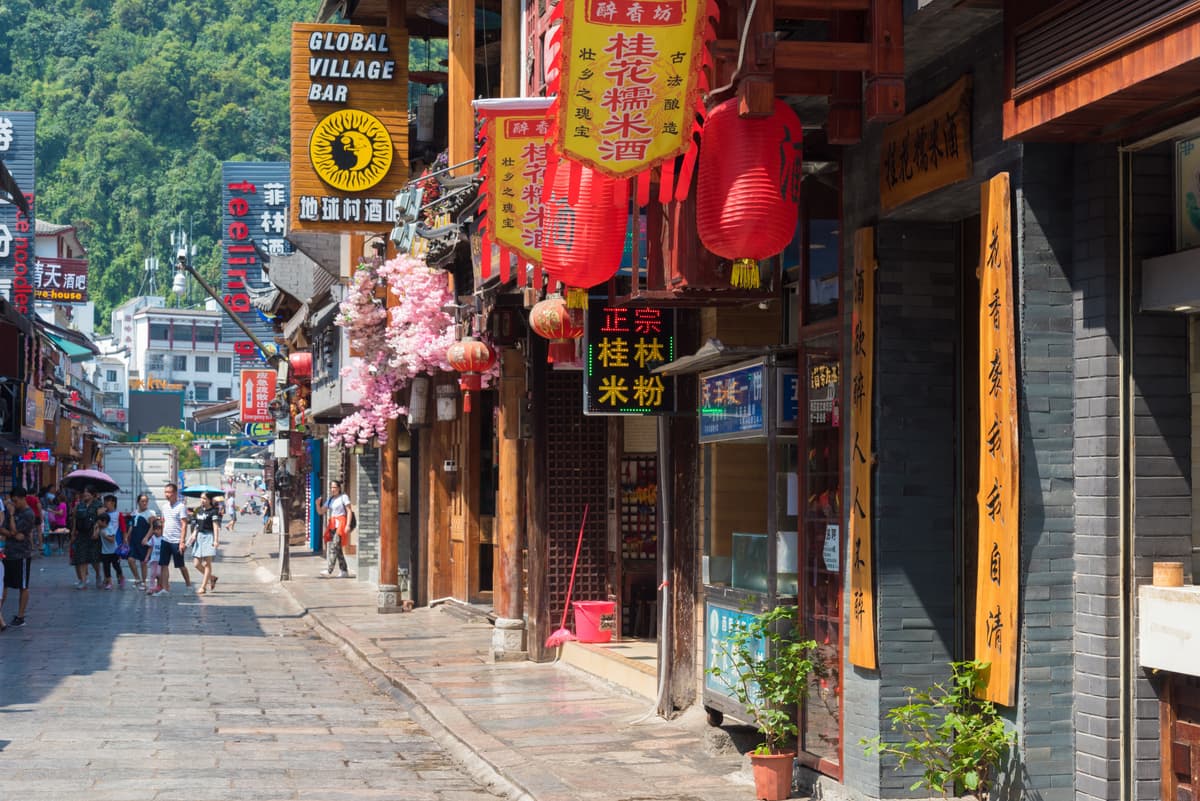
Cultural Site
West Street
Guilin
A bustling ancient pedestrian street in Yangshuo blending local folk culture, specialty shops, bars and international catering with karst mountain backdrop.
1-2 hours
Free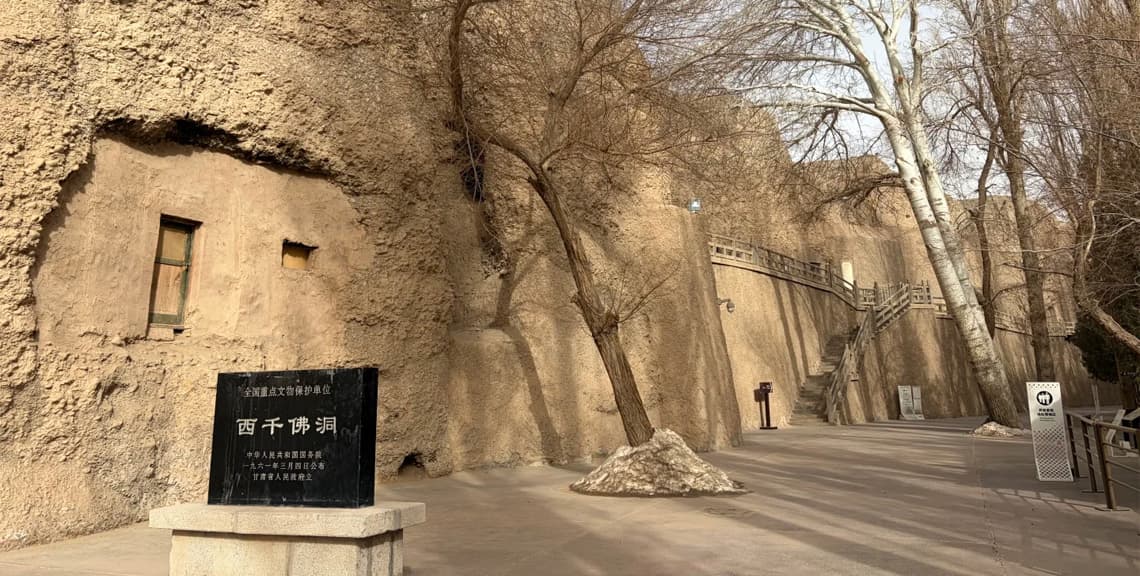
Religious Site
Western Thousand-Buddha Caves
Dunhuang
Ancient Mogao-style grottoes by Dang River, featuring rare Northern Wei murals less crowded than Mogao Caves.
1-2 hours
¥30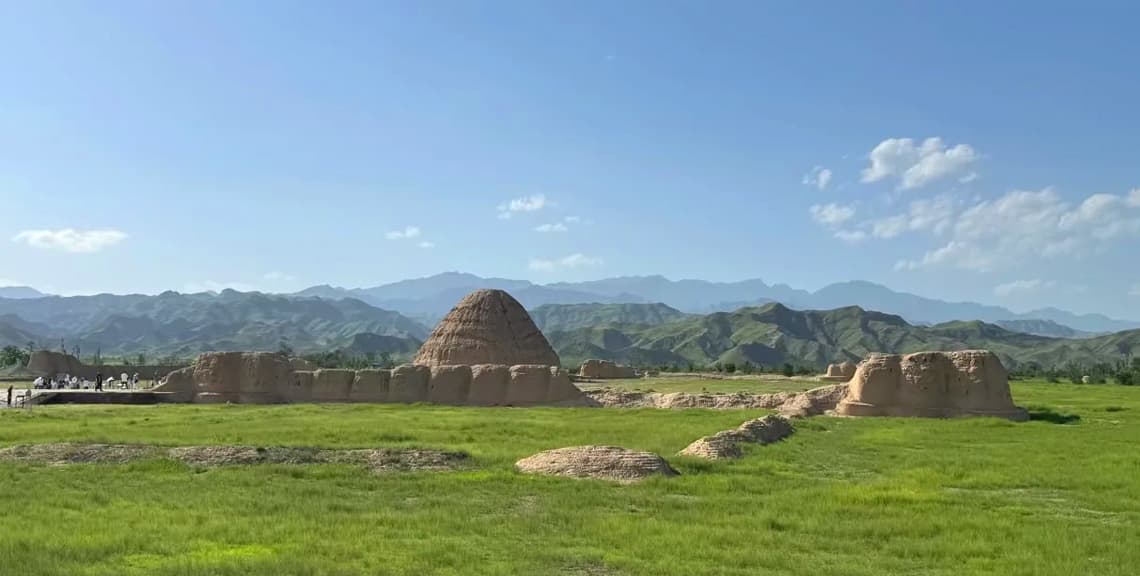
Historical Site
Western Xia Imperial Tombs(Western Xia Mausoleums)
Yinchuan
Located at the eastern foot of Helan Mountain, 30 kilometres west of Yinchuan, Western Xia Mausoleums are nicknamed “Oriental Pyramids”.
2-3 hours
¥68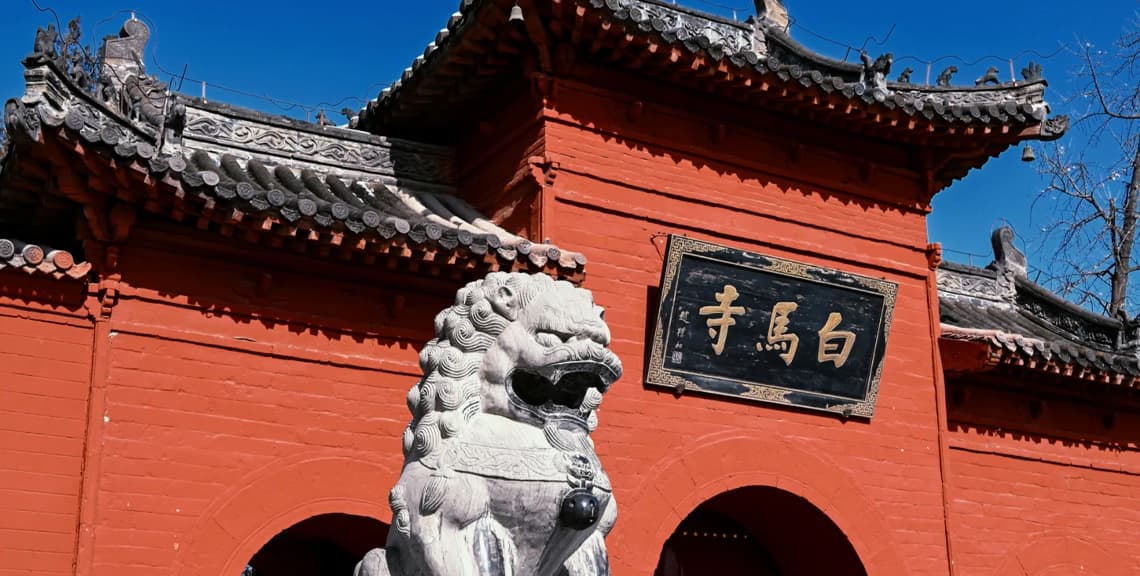
Religious Site
White Horse Temple
Luoyang
First built in the 11th year of the Yongping reign of the Eastern Han Dynasty (68 AD), it is acknowledged as China’s first official Buddhist temple, honored as the "Birthplace of Chinese Buddhism" and the "Ancestral Court of Buddhism".
2-3 hours
¥35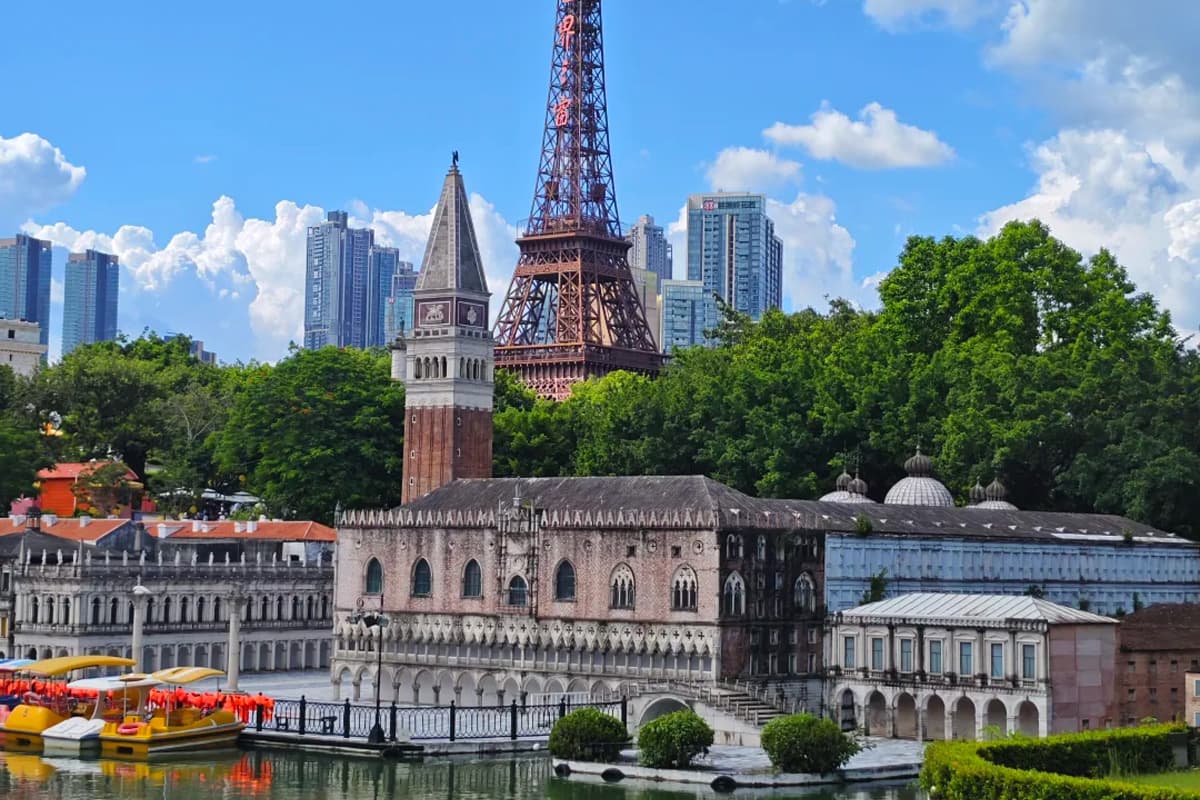
Entertainment
Window of the World Shenzhen
Shenzhen
A famous theme park featuring miniature replicas of world-famous landmarks and grand evening light shows in Shenzhen.
5-8 hours
¥229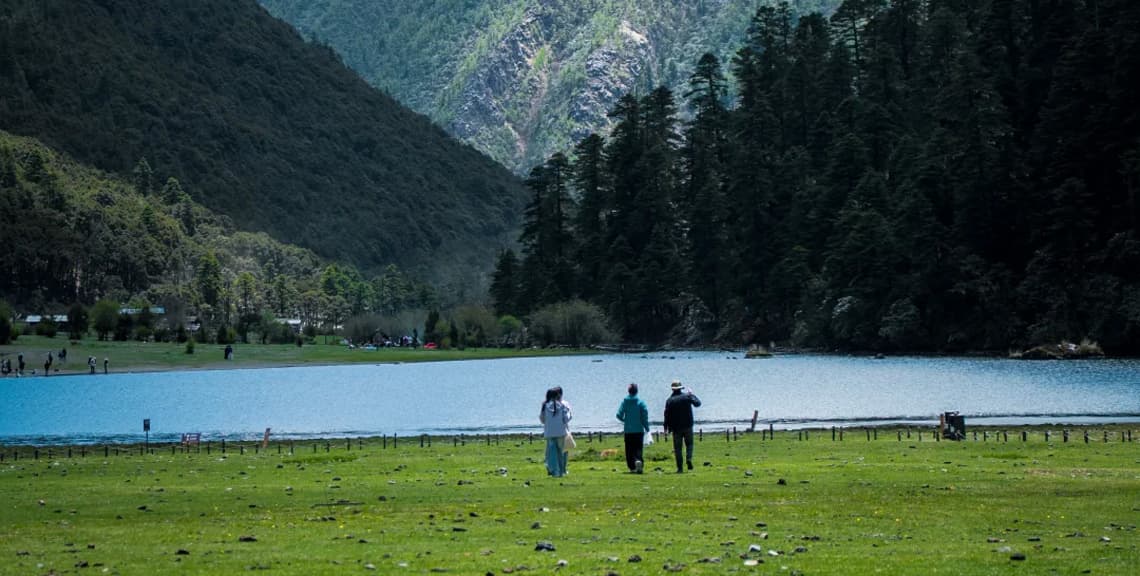
Natural Scenery
Wodicuo
Shangri-la
A secluded twin alpine lake hidden in Dilong Snow Mountain, surrounded by primeval fir forests and soft alpine meadows.
5-8 hours
Free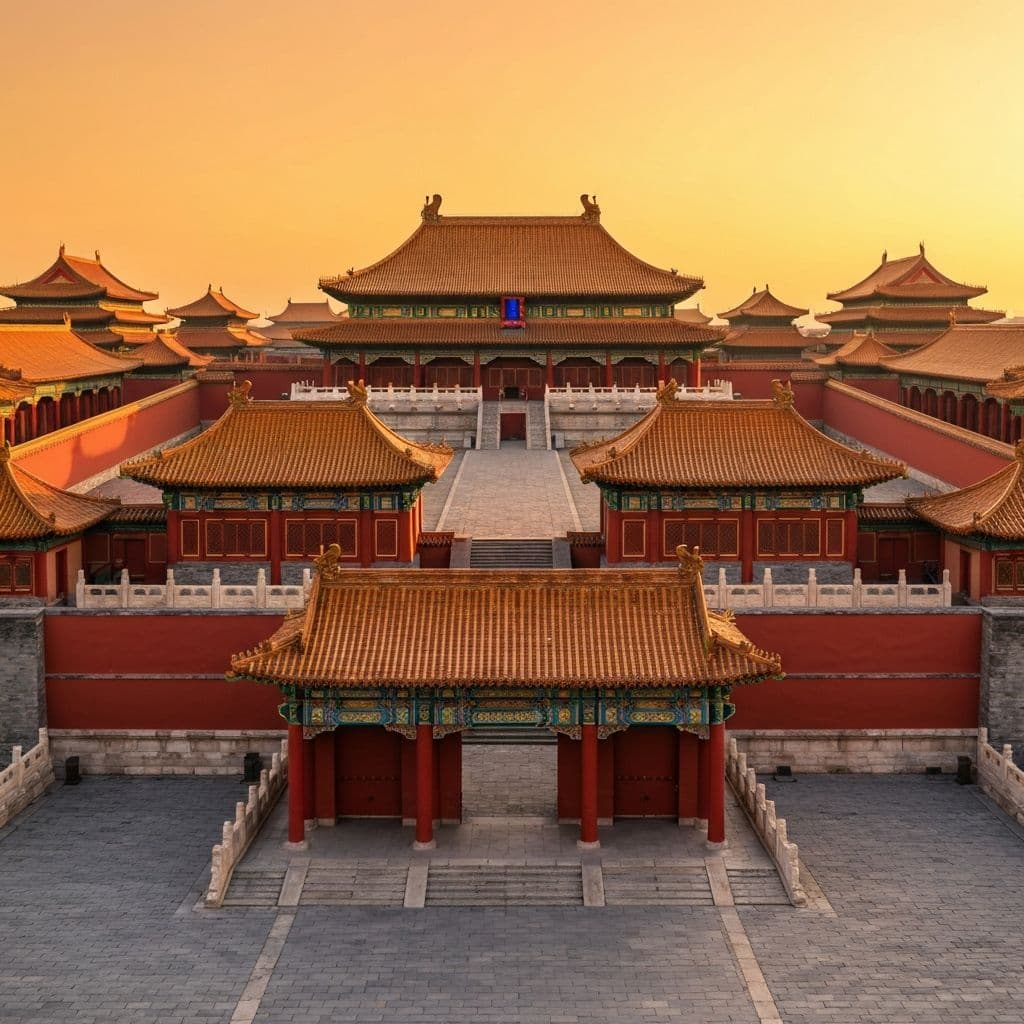
Historical Site
Wuchang Uprising Memorial Site (Red Building)
Wuhan
This well‑preserved western‑style red‑brick complex was the headquarters of the 1911 Wuchang Uprising which overthrew the Qing Dynasty.
1-2 hours
Free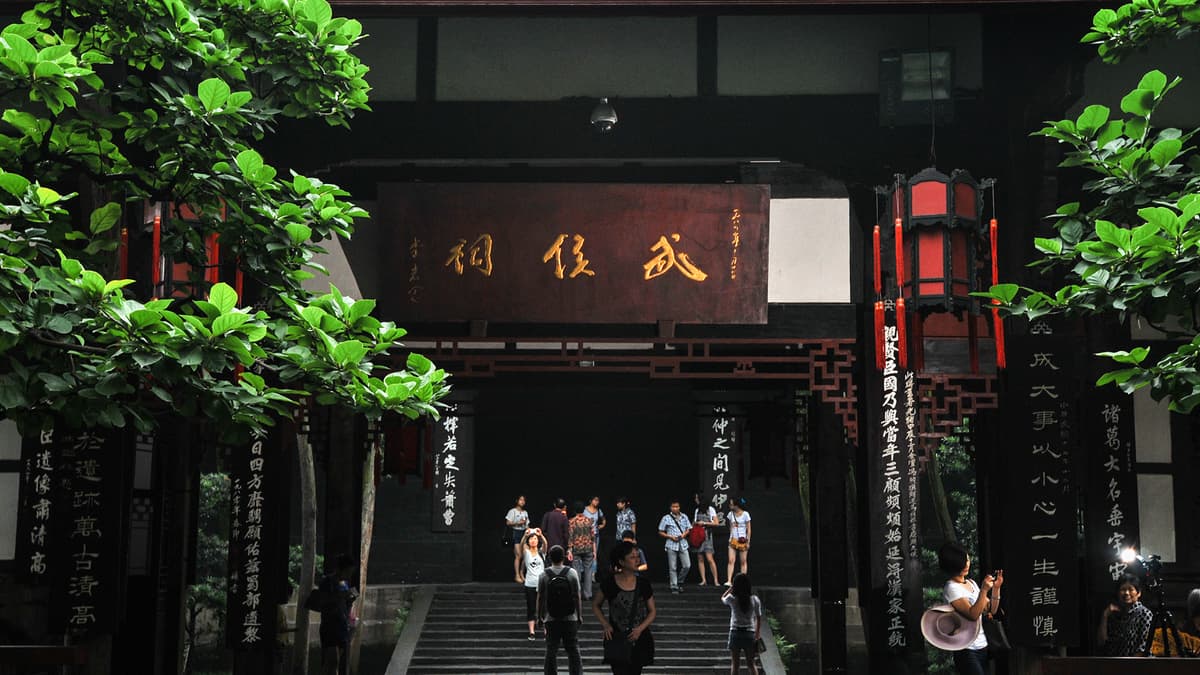
Historical Site
Wuhou Shrine
Chengdu
A time-honored memorial complex honoring Zhuge Liang, a renowned strategist of the Three Kingdoms Period, paired with the mausoleum of Emperor Liu Bei.
2-3 hours
¥50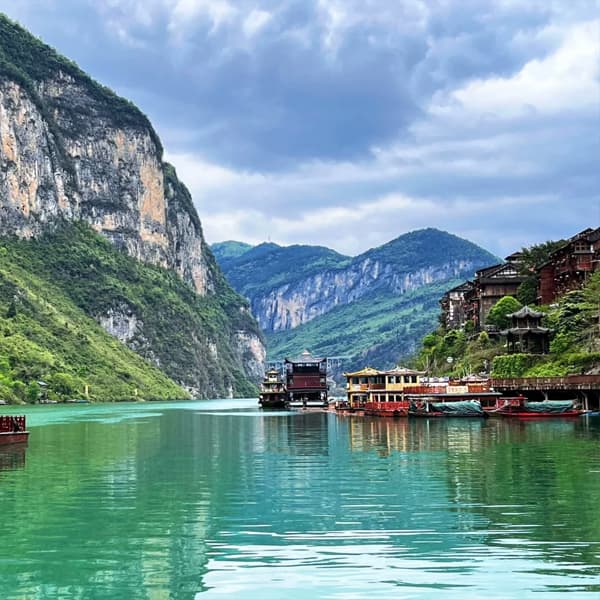
Natural Scenery
Wujiang Gallery Scenic Area
Chongqing
A picturesque river corridor along Wujiang River with emerald water, steep green cliffs and unique karst mountain landscapes.
3-4 hours
Free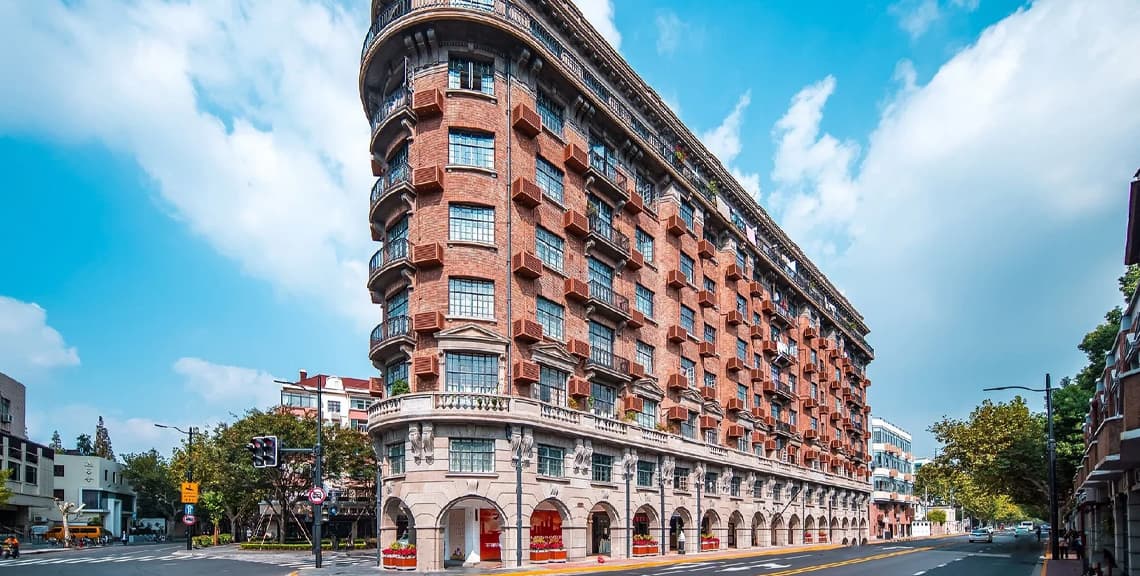
Historical Site
Wukang Mansion
Shanghai
Wukang Mansion, formerly named Normandy Apartments, stands at the crossing of Huaihai Middle Road and Wukang Road in Xuhui District.
1 hour
Free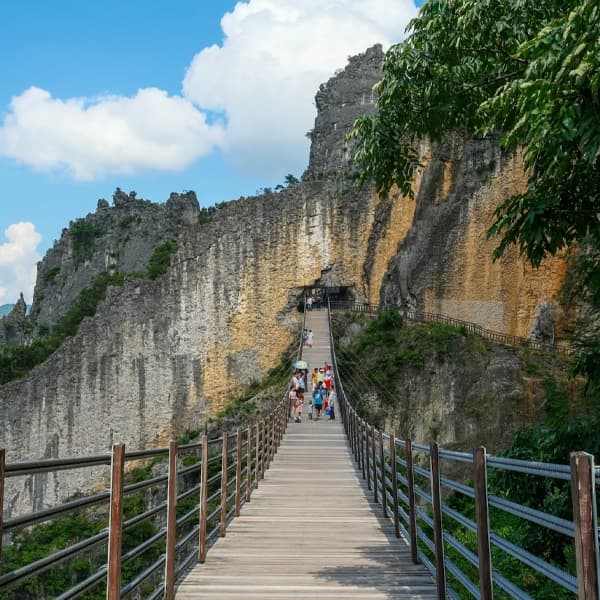
Natural Scenery
Wuling Mountain Grand Canyon
Chongqing
A magnificent karst canyon scenic area with towering cliffs, cascading waterfalls and primitive forest in Chongqing’s Fuling District.
3-4 hours
¥145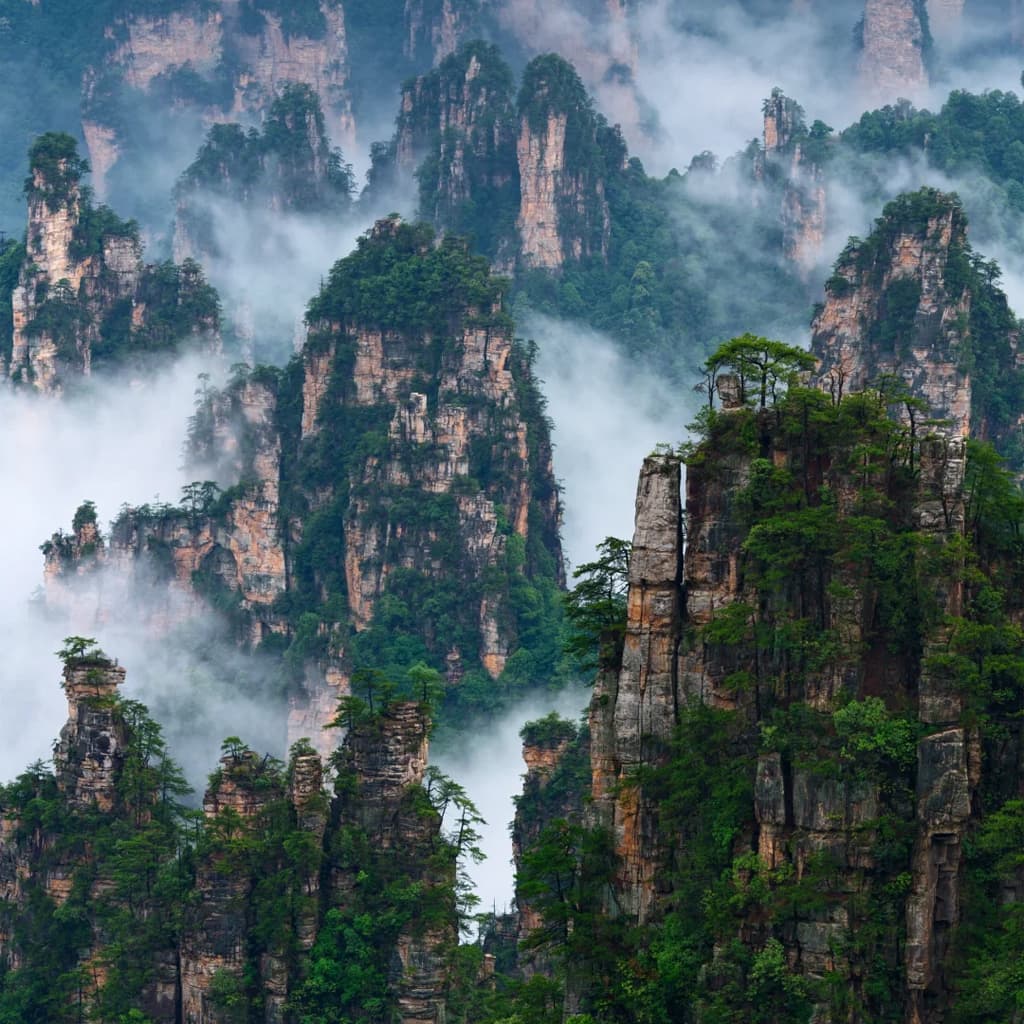
Natural Scenery
Wulingyuan Scenic Area
Zhangjiajie
A UNESCO World Natural Heritage famous for rare quartz sandstone peak forest, the prototype of Avatar’s floating mountains.
5-8 hours
¥239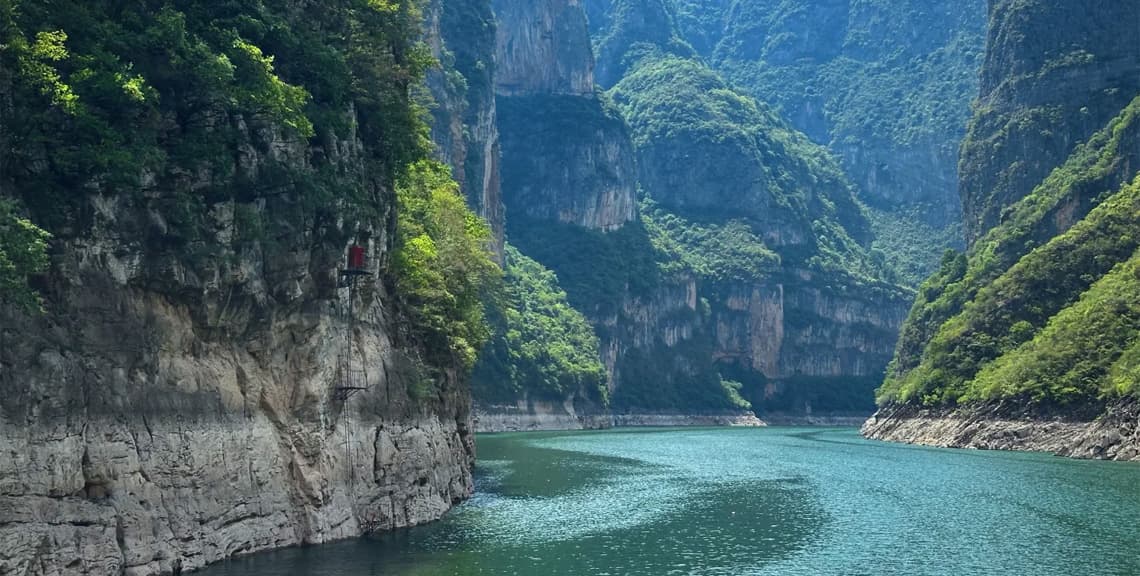
Natural Scenery
Wushan Small Three Gorges
Chongqing
A serene miniature gorge cluster branching off the Yangtze Three Gorges, featuring clear green water, steep narrow cliffs, wild macaques and ancient suspended coffins relics.
3-4 hours
¥120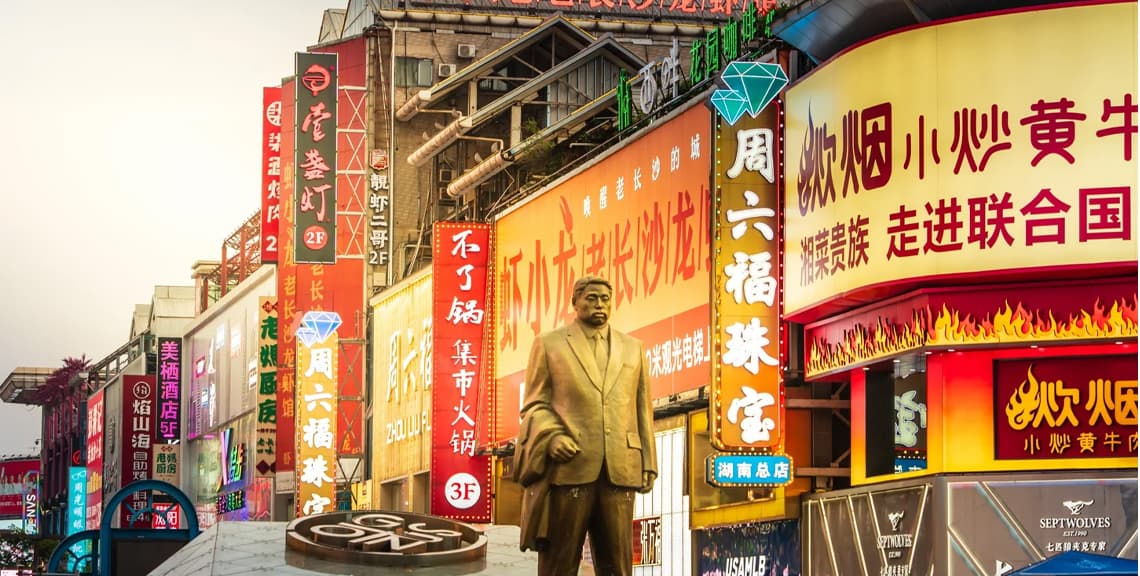
Historical Site
Wuyi Square
Changsha
Rooted in over 2,000 years of Chu Dynasty ancient city history, it was the core of ancient Changsha’s government and administrative institutions, now evolving into a super-large integrated open business and cultural pedestrian complex.
3-4 hours
Free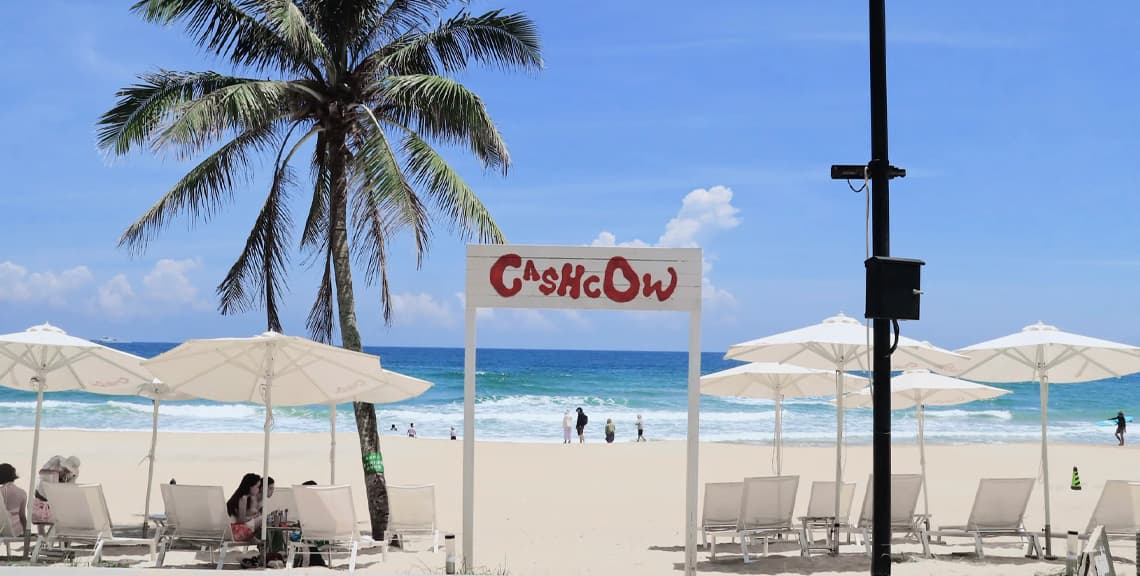
Natural Scenery
Wuzhizhou Island
Sanya
Praised as "China’s Maldives", it is famous for crystal-clear layered turquoise seawater with underwater visibility up to 20-30 meters.
5-8 hours
¥144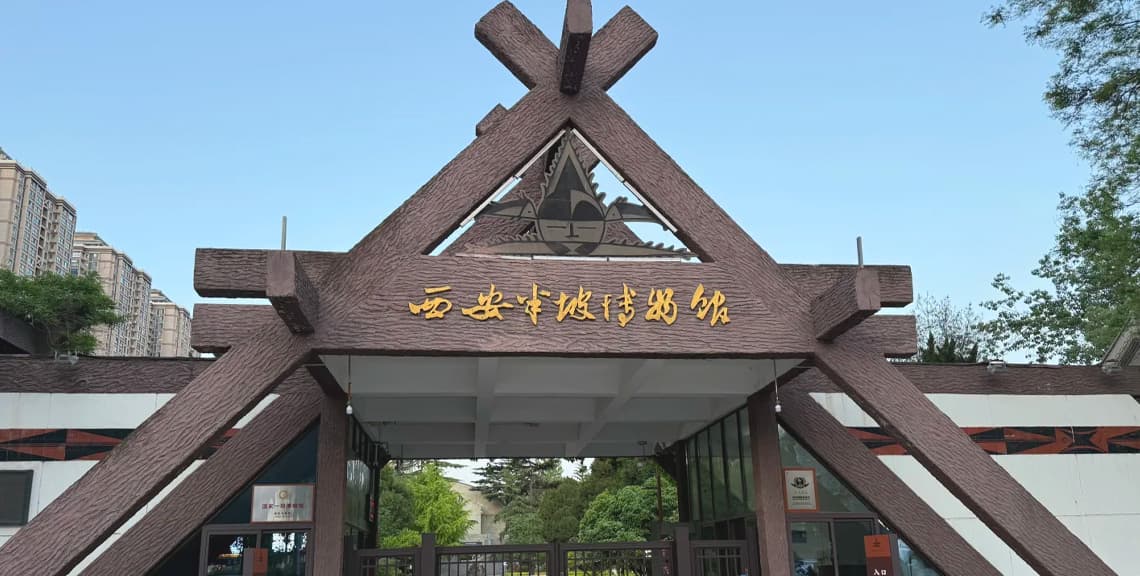
museum
Xi'an Banpo Museum
Xian
China’s first prehistoric settlement museum built on a well-preserved 6,000-year-old Yangshao matriarchal village ruin.
2-3 hours
¥55