Explore Amazing Attractions
Discover iconic landmarks, natural wonders, and cultural treasures across China
518 attractions
park
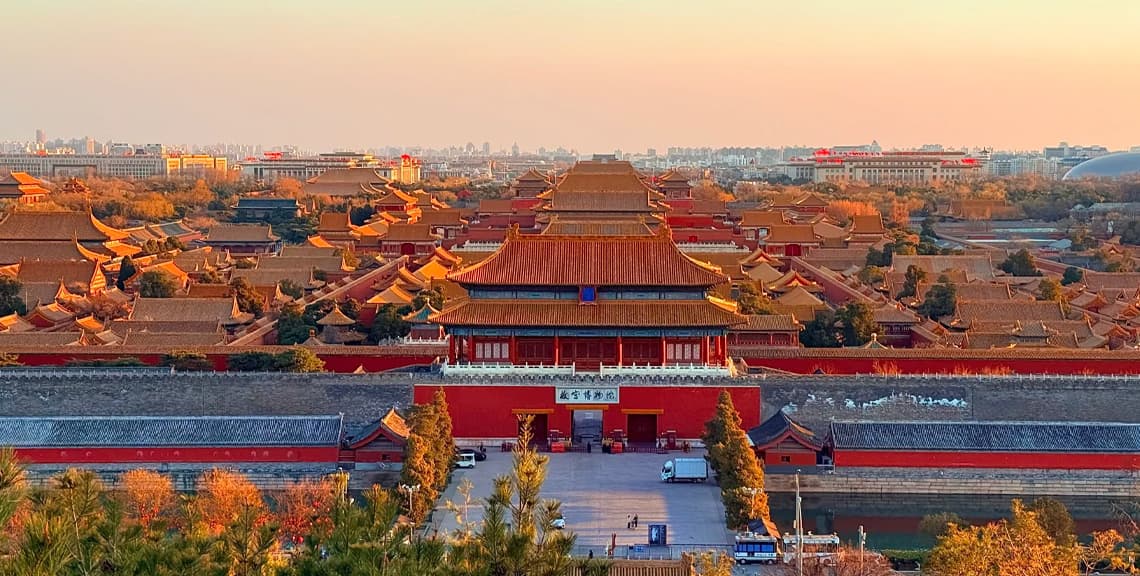
Jingshan Park
Beijing
Jingshan Park stands right on Beijing’s historic north-south Central Axis, directly north of the Forbidden City. It served as an imperial garden through the Yuan, Ming and Qing dynasties.
1-2 hours
¥2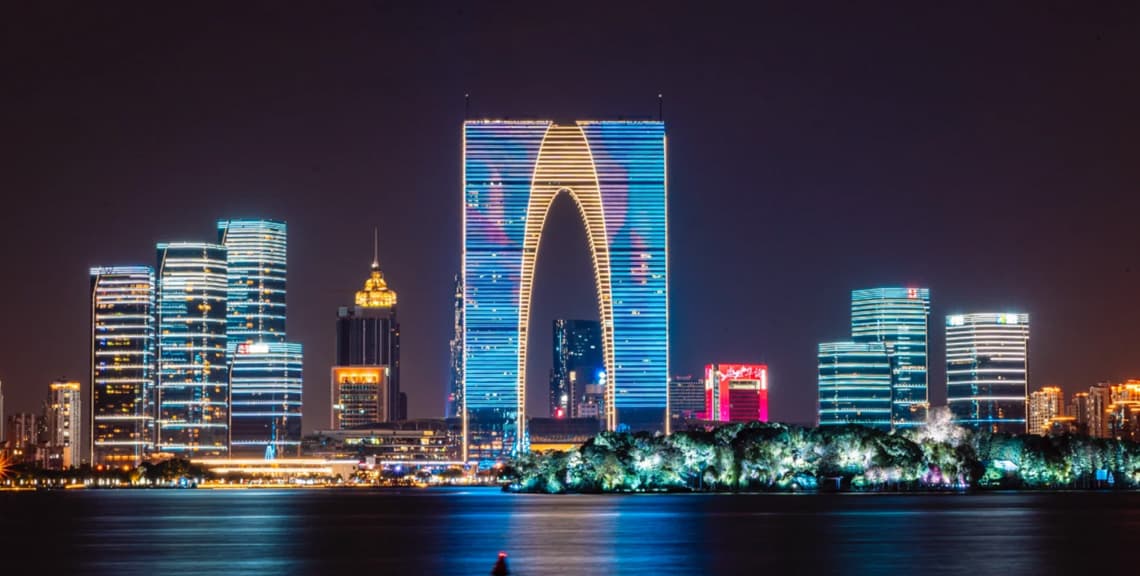
Natural Scenery
Jinji Lake Scenic Area
Suzhou
Situated in Suzhou Industrial Park, Jinji Lake is a national 5A-level open scenic spot and the landmark of modern Suzhou.
3-4 hours
Free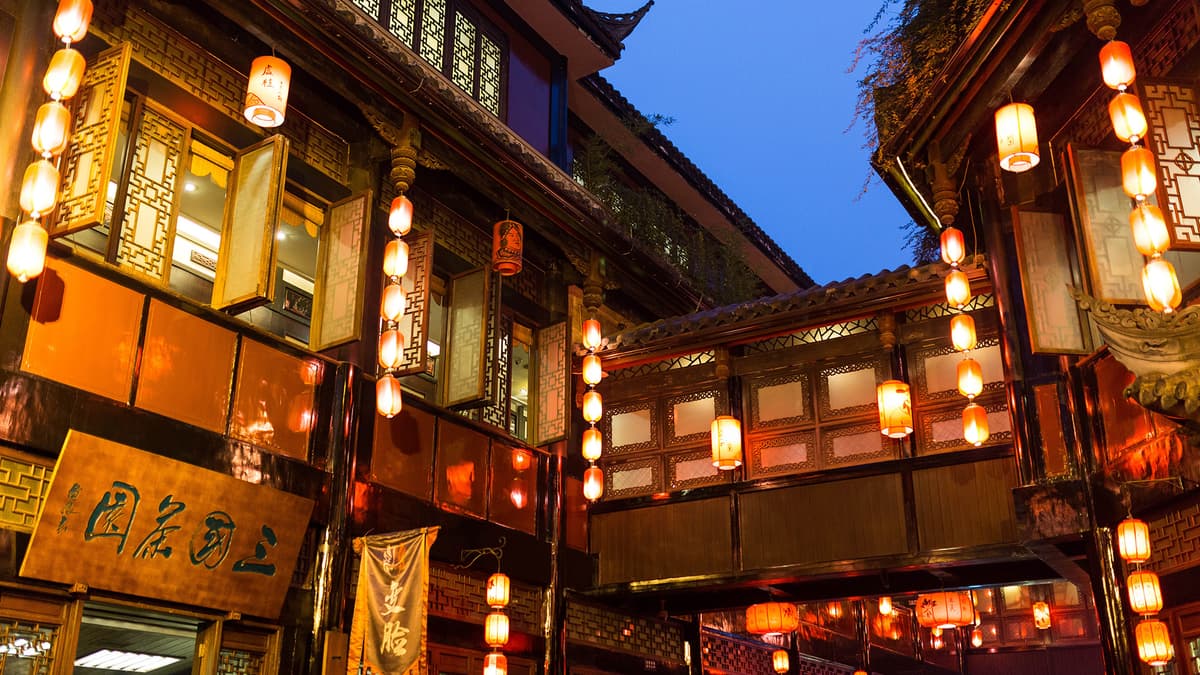
Cultural Site
Jinli
Chengdu
A well-known ancient street next to Wuhou Shrine, featuring Three Kingdoms culture, traditional Sichuan snacks and classic red lantern night scenery.
2-3 hours
Free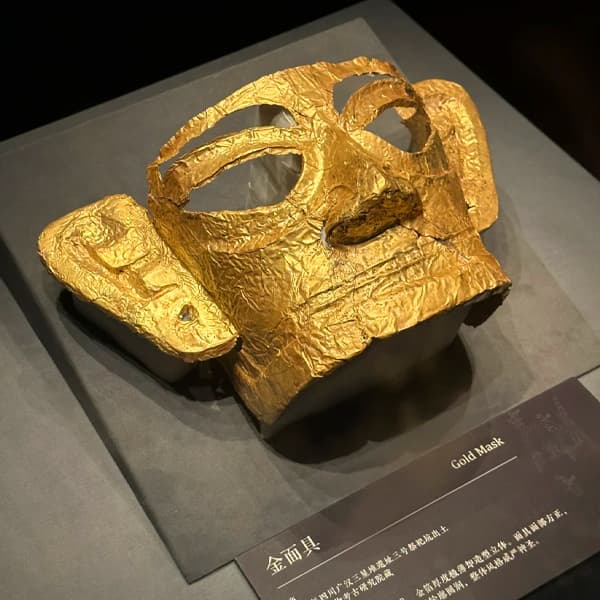
museum
Jinsha Site Museum
Chengdu
A major archaeological museum showcasing relics of the ancient lost Shu Kingdom of the Shang and Zhou dynasties in Chengdu.
2-3 hours
¥70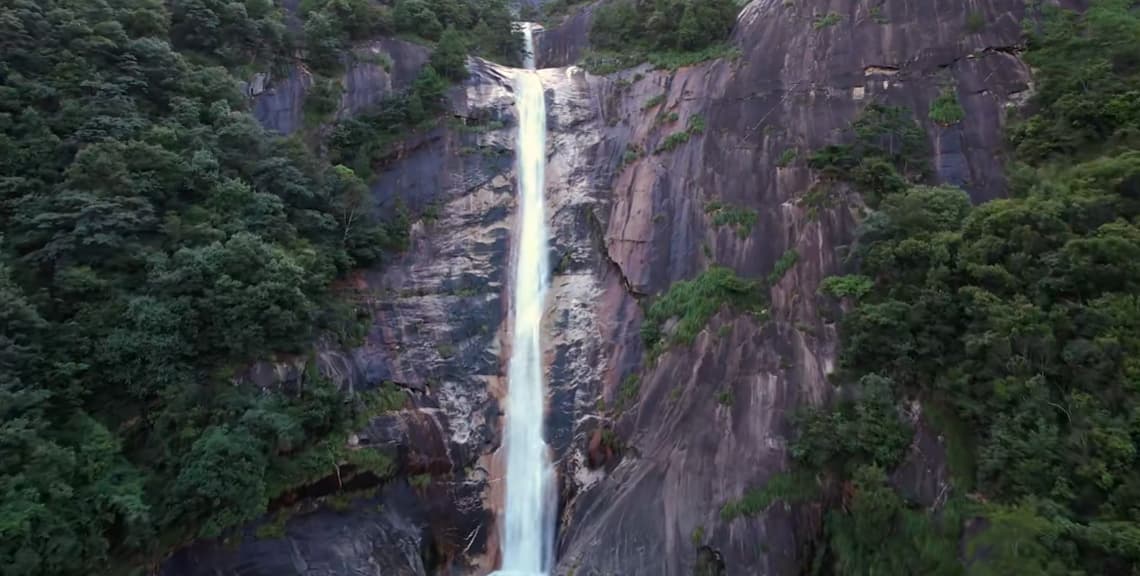
Natural Scenery
Jiulong Waterfall (Nine Dragons Waterfall)
Huangshan
Jiulong Waterfall is located in Shanchha Village, Tangkou Town, Huangshan City, Anhui Province, around 3 kilometers east of the South Gate of Huangshan Scenic Area.
2-3 hours
¥85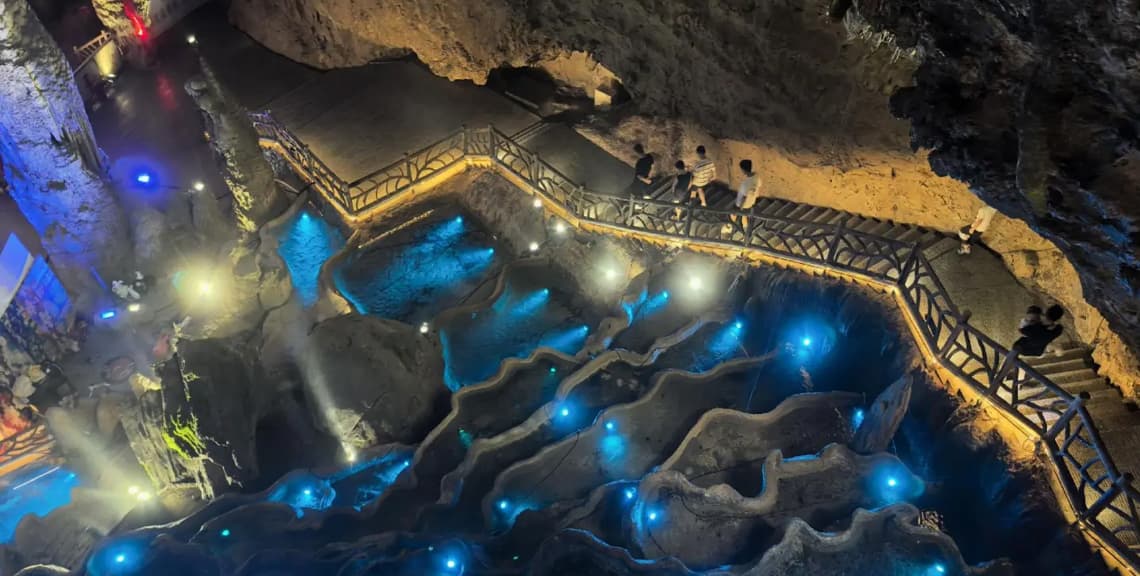
Natural Scenery
Jiutian Cave
Zhangjiajie
Known as Asia’s No.1 Karst Cave, a multi-layer limestone cave with nine natural skylights connecting to the outside world.
5-8 hours
¥85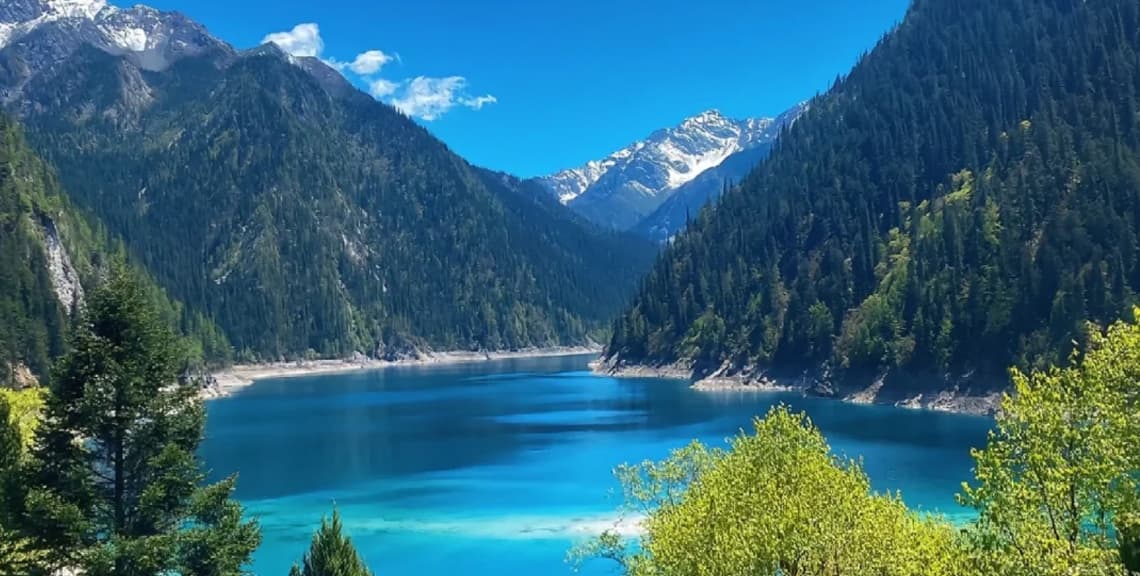
Natural Scenery
Jiuzhaigou Valley
Aba
Jiuzhaigou Valley is a UNESCO World Natural Heritage site shaped like a huge Y‑shaped alpine valley.
5-8 hours
¥280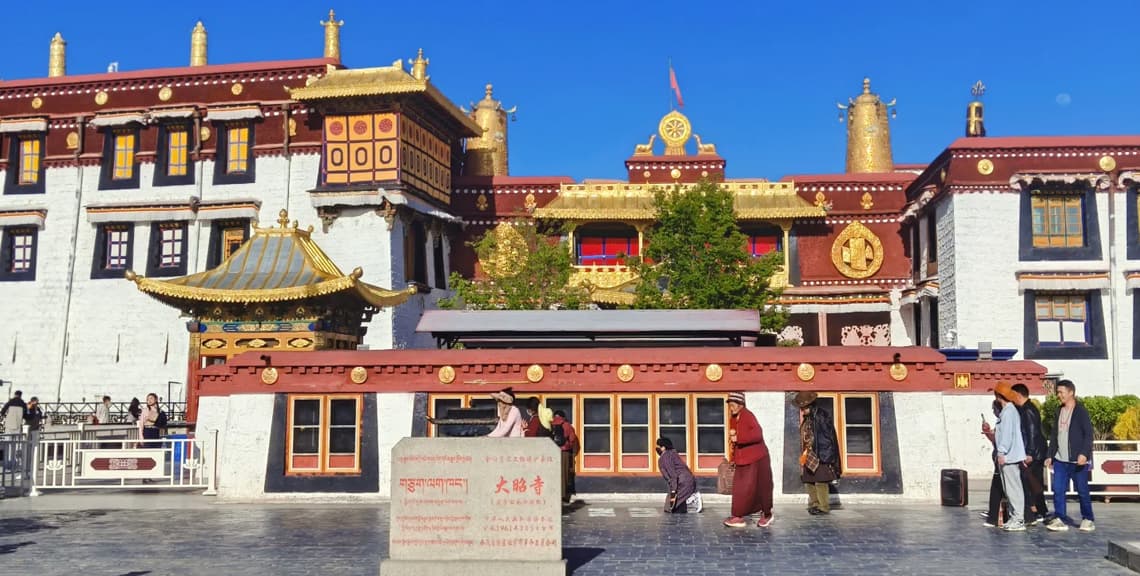
Religious Site
Jokhang Temple
Lhasa
Founded in the 7th century under the reign of Songtsen Gampo, it was built to enshrine the Buddha statues brought by Princess Wencheng and Princess Bhrikuti.
3-4 hours
¥85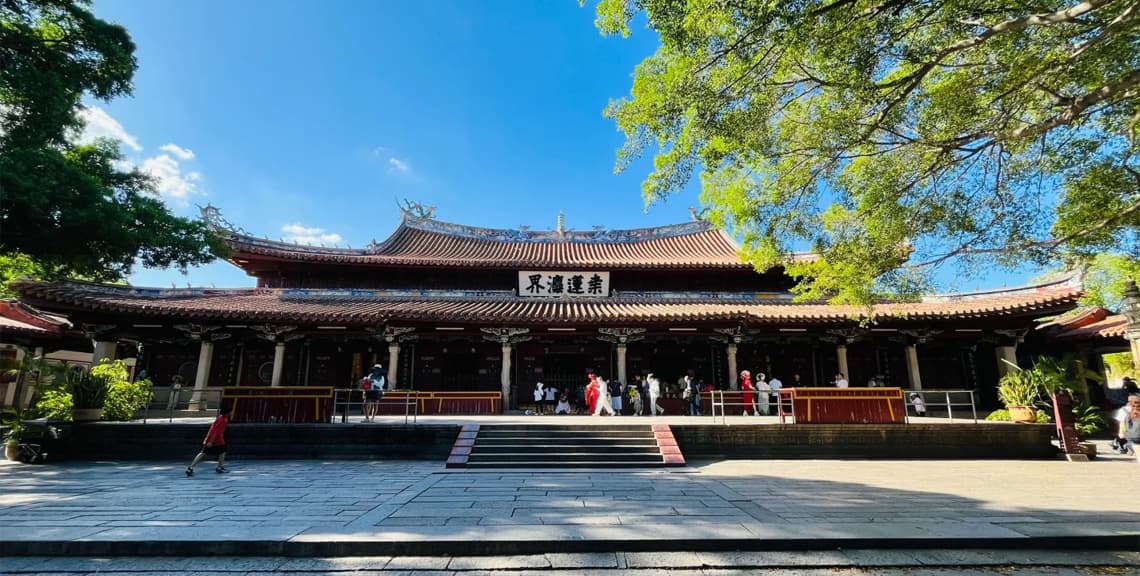
Religious Site
Kaiyuan Temple (Quanzhou)
Quanzhou
Located on West Street, Licheng District, Quanzhou, Kaiyuan Temple is a core site of the World Heritage “Quanzhou: Emporium of the World in Song‑Yuan China”.
1-2 hours
Free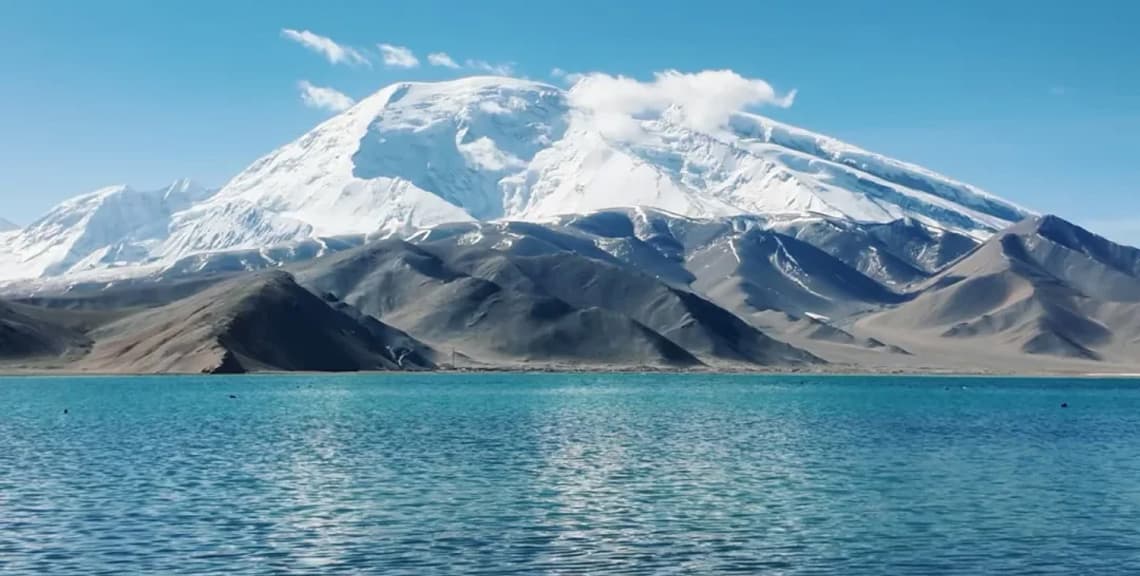
Natural Scenery
Kala Kule Lake
Kashgar
A high‑altitude glacial lake on Pamir Plateau with stunning reflections of Muztagh Ata, Kongur and surrounding snow‑capped peaks.
2-3 hours
¥45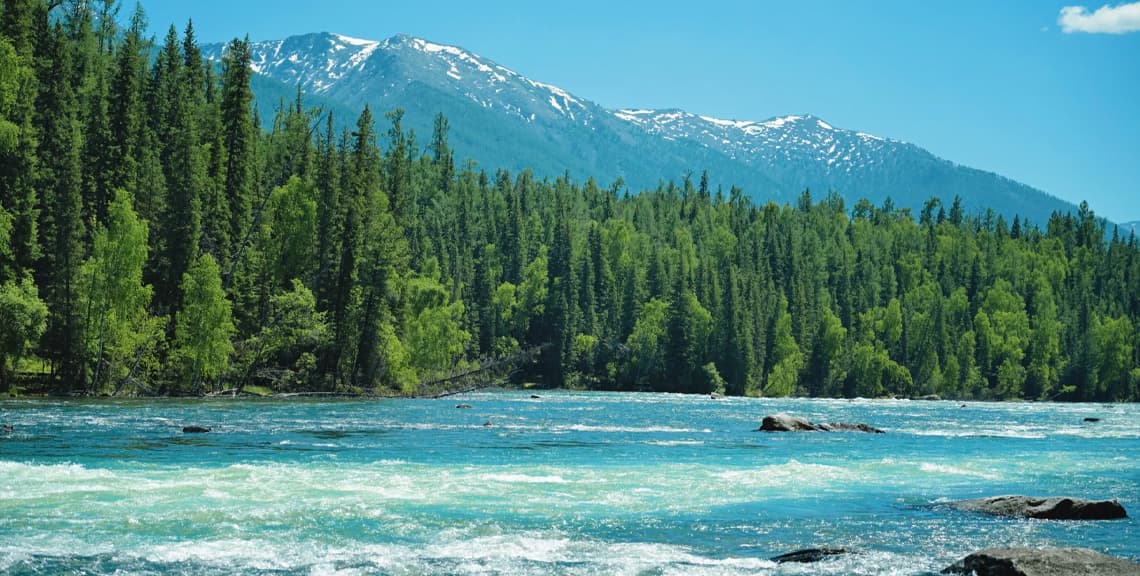
Natural Scenery
Kanas Scenic Area
Urumqi
Located in Burqin County, Altay Prefecture, Kanas is a 5A‑level national geopark at an altitude of 1374 meters.
5-8 hours
¥230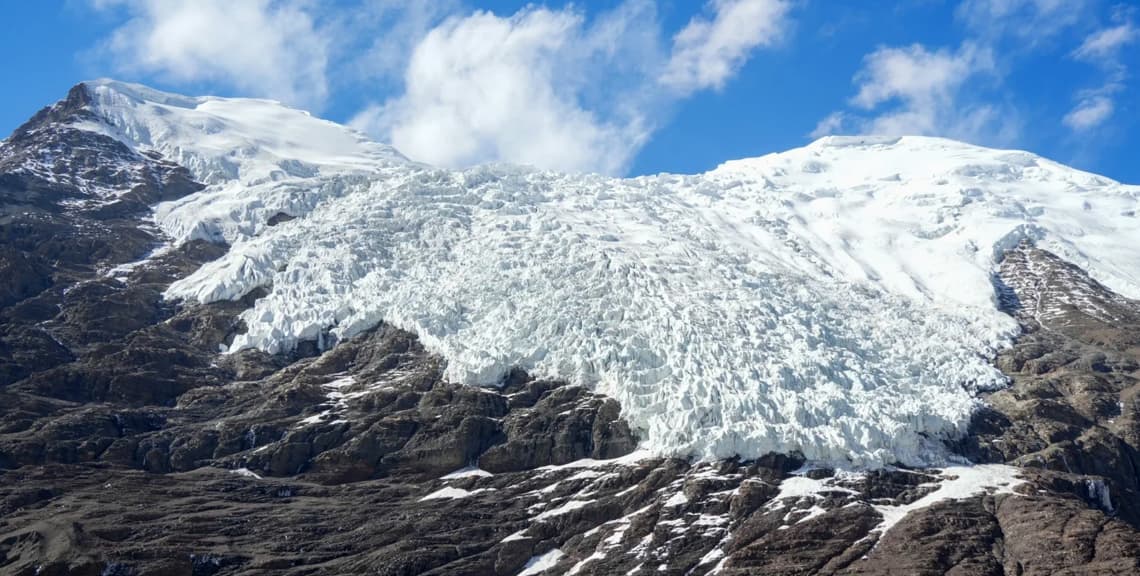
Natural Scenery
Karola Glacier
Shigatse
It is a famous continental valley glacier on the southern route of the Xizang overland tour, hanging directly on the steep mountain ridge and forming a spectacular blue ice wall that is easily accessible for self-driving tourists.
1 hour
¥50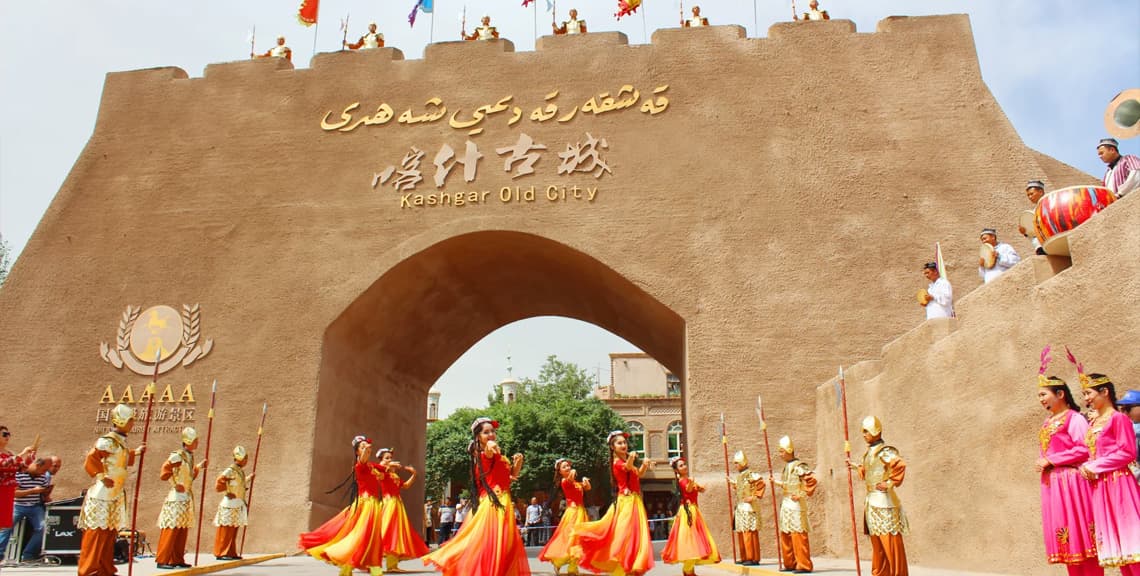
Historical Site
Kashgar Old City
Kashgar
A living 2000‑year‑old Silk‑Road old town featuring labyrinth Uyghur alleys, handicraft workshops and authentic local bazaar culture.
5-8 hours
Free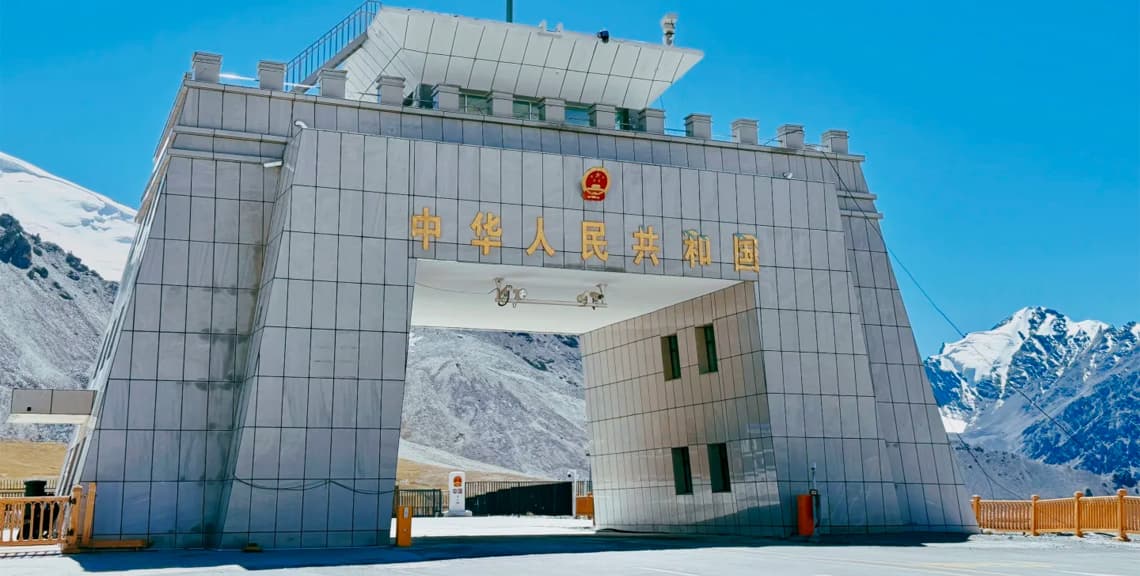
Historical Site
Khunjerab Pass National Gate
Kashgar
The world‑highest land border gate on the Pamir Plateau, the China‑Pakistan border landmark along the Karakoram Highway.
1 hour
¥40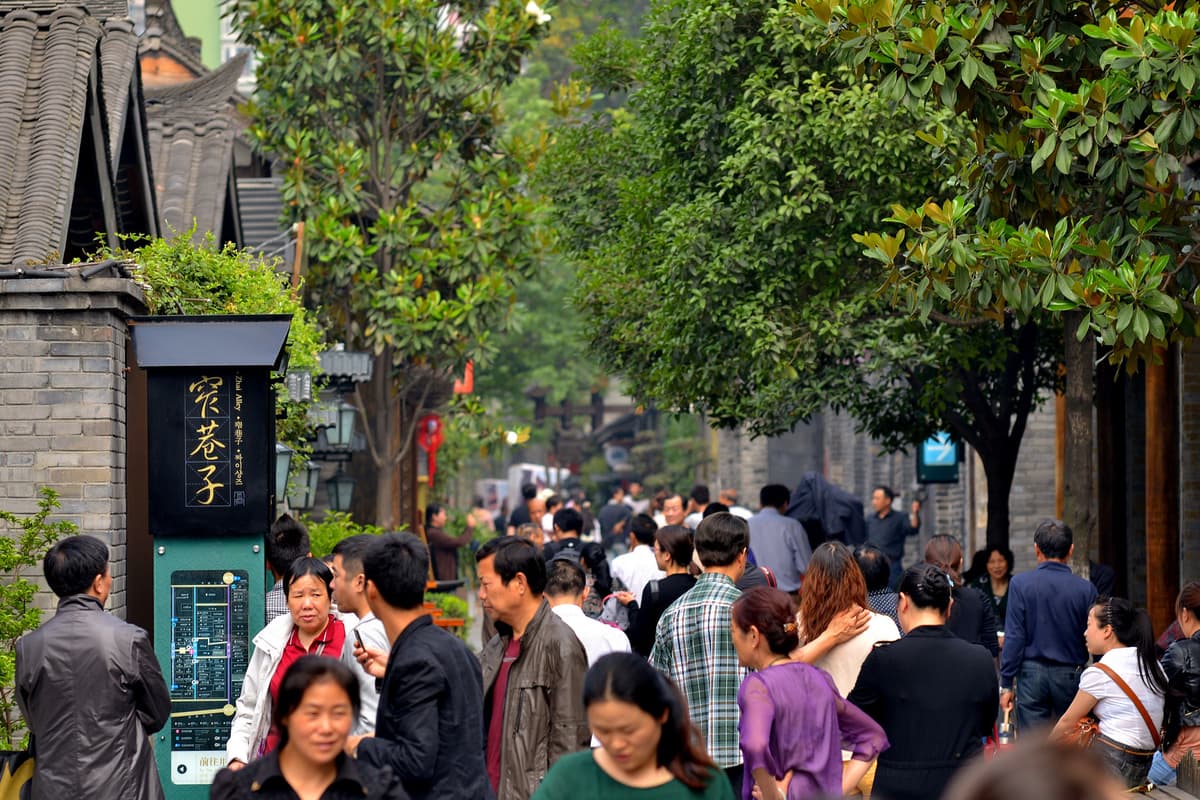
Cultural Site
Kuanzhai Alley
Chengdu
Well-preserved ancient Qing-dynasty courtyard blocks that integrate Sichuan folk culture, traditional snacks and characteristic teahouses.
2-3 hours
Free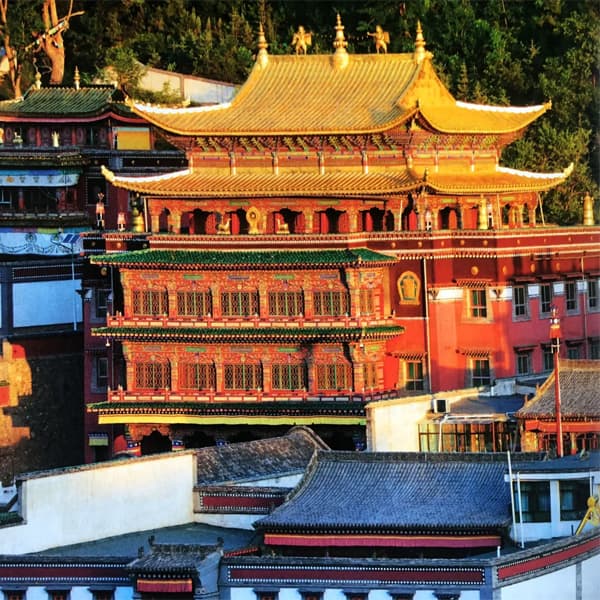
Religious Site
Kumbum Champa Ling
Xining
Famous Tibetan Gelugpa sacred monastery renowned for butter sculptures, murals and embroidered thangkas.
3-4 hours
¥70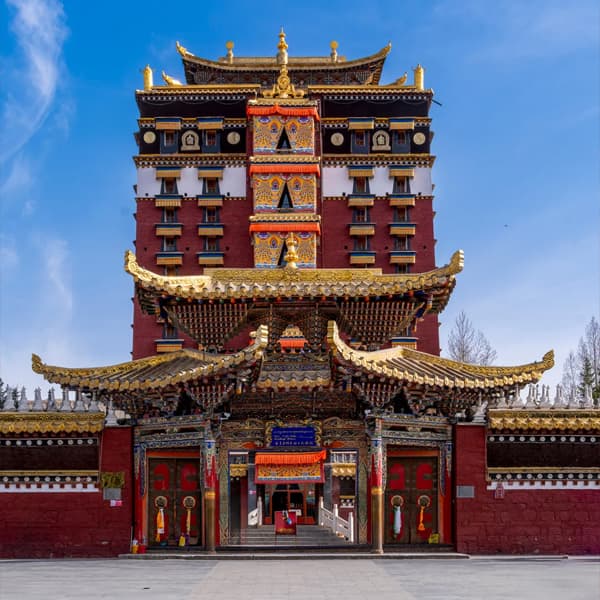
Religious Site
Labrang Monastery
Lanzhou
World-famous Tibetan Buddhist Gelug monastery with the world’s longest prayer wheel corridor, known as the World Tibetan Academy.
3-4 hours
¥40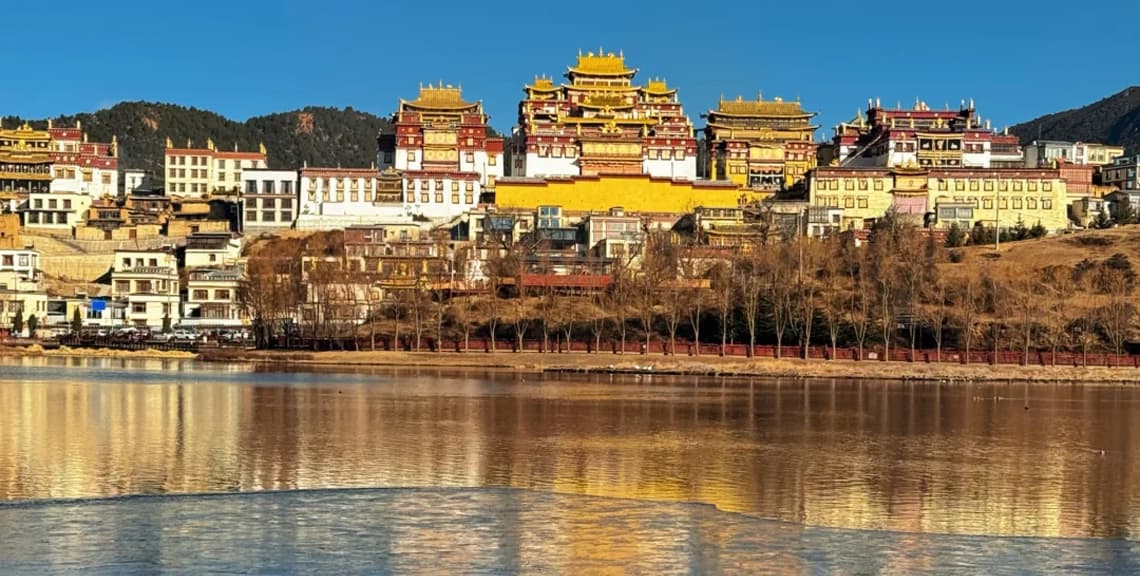
Natural Scenery
Lamu Yangcuo Lake
Shangri-la
A sacred Tibetan holy lake facing Ganden Sumtseling Monastery, ideal for shooting temple golden roof reflections.
1 hour
¥90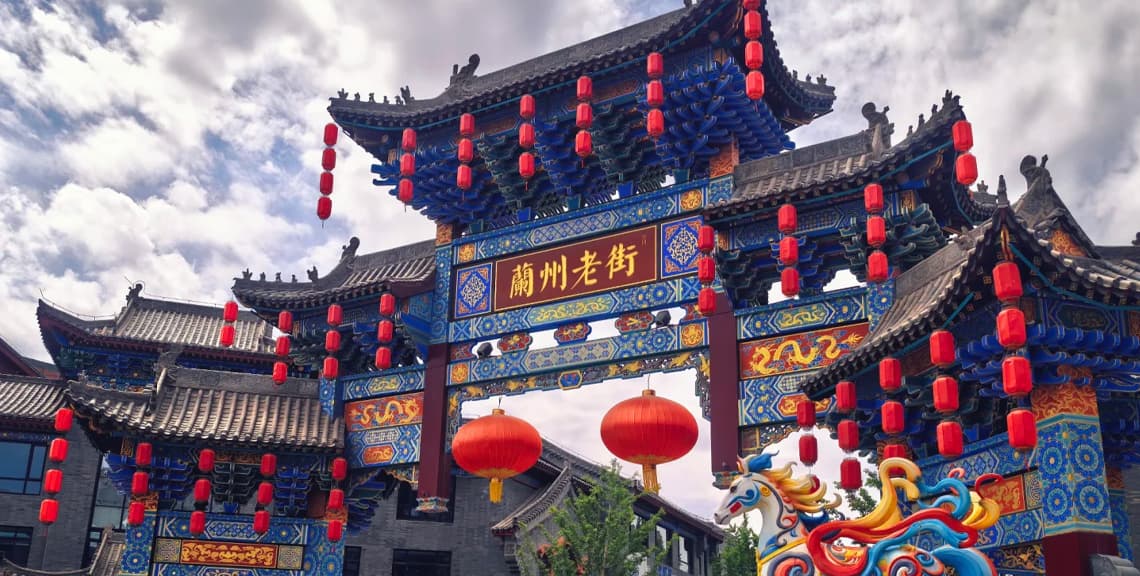
Cultural Site
Lanzhou Old Street
Lanzhou
A free Ming & Qing-style ancient cultural block with waterscape, lanterns, folk shows and local snacks in downtown Lanzhou.
2-3 hours
Free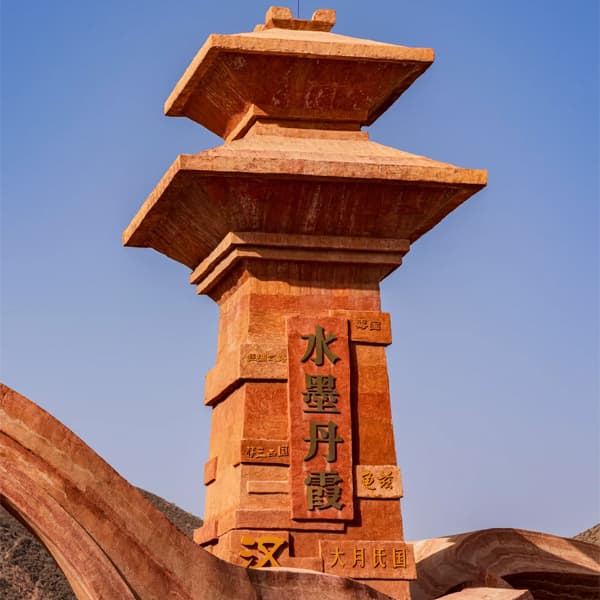
Natural Scenery
Lanzhou Shuping Danxia Scenic Spot
Lanzhou
A national 4A gray-toned colorful hill Danxia landform closest to downtown Lanzhou, famed for ink-painting-like layered mineral rock formations.
3-4 hours
¥80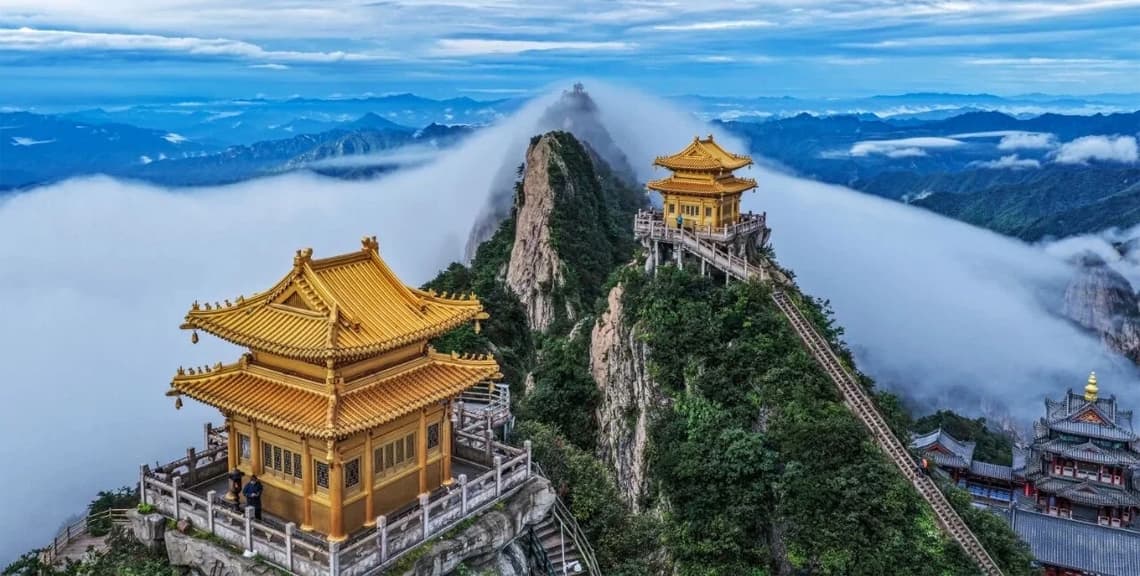
Religious Site
Laojun Mountain Scenic Area
Luoyang
It is said to be the retreat and cultivation site of Laozi, the founder of Taoism in the Spring and Autumn Period, who refined alchemy and preached here.
5-8 hours
¥100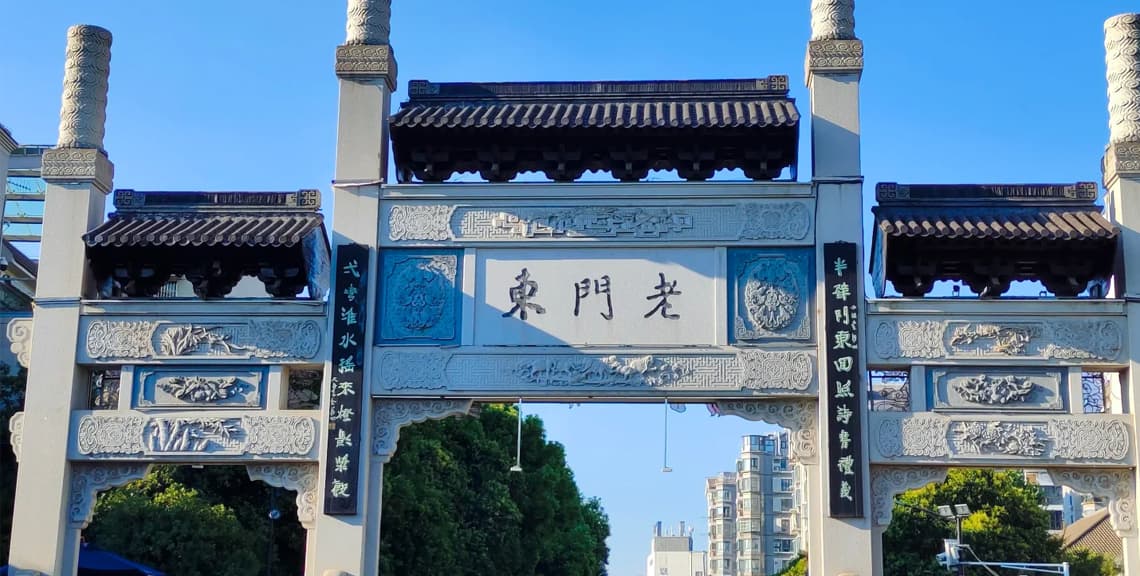
Historical Site
Laomendong Historic Block
Nanjing
Laomendong Historic Block is situated east of Zhonghua Gate, Qinhuai District, Nanjing, Jiangsu Province, an essential component of Qinhuai Scenic Belt.
2-3 hours
Free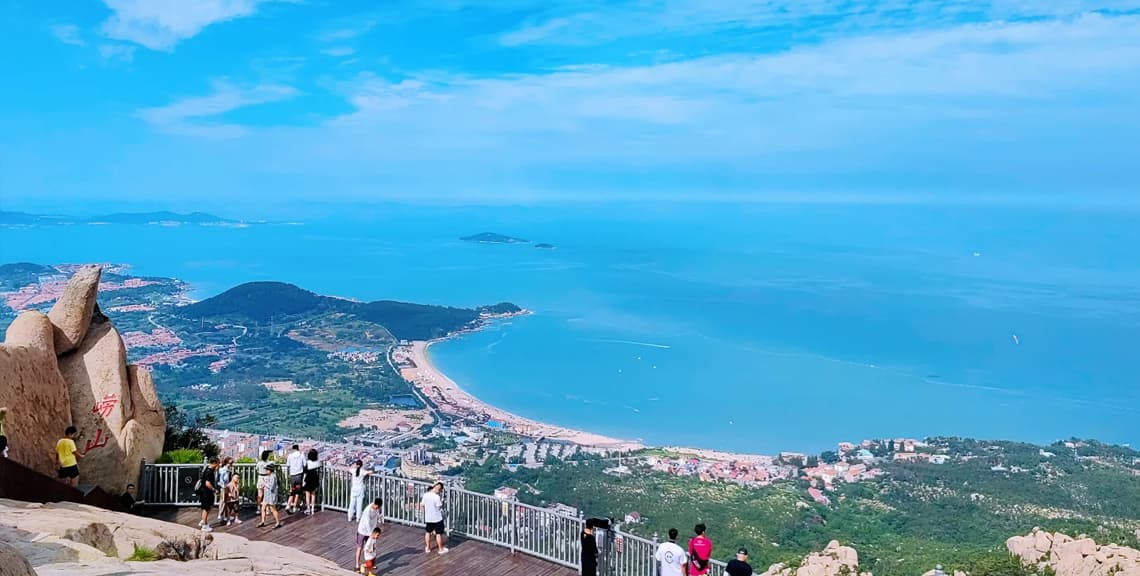
Religious Site
Laoshan Scenic Area
Qingdao
Laoshan Scenic Area lies in Laoshan District, eastern Qingdao, bordering the Yellow Sea. Honoured as “China’s No.1 Coastal Mountain”, it is a national 5A‑level scenic spot and famous Taoist sacred mountain, with Jufeng Peak standing at 1132.7 meters, the highest mountain along China’s continental coastline.
5-8 hours
¥130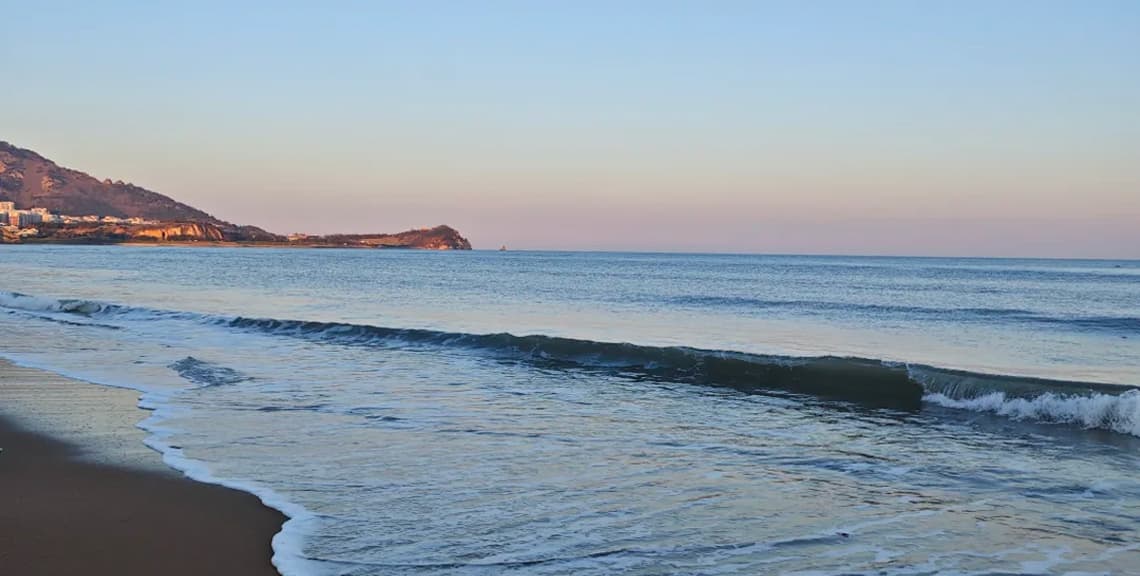
Natural Scenery
Laoshan Shilaoren Bathing Beach
Qingdao
Laoshan Shilaoren Bathing Beach is located in the eastern coastal area of Laoshan District, Qingdao, belonging to the core section of Qingdao Golden Coastline.
2-3 hours
Free